When we think of Vikings, we picture Norwegian fjords, wooden villages and fog-shrouded seas. However, the Iberian Peninsula was also part of their routes. Between the 9th and 10th centuries, their fleets sailed along the Cantabrian coast, sheltered in Galician estuaries and even sailed up the Guadalquivir River as far as Seville.
Today, Spain preserves places where their presence is documented, and others where the landscape or traditions echo that northern spirit. Discover 8 Viking destinations in Spain that you must visit.
Viveiro (Lugo)
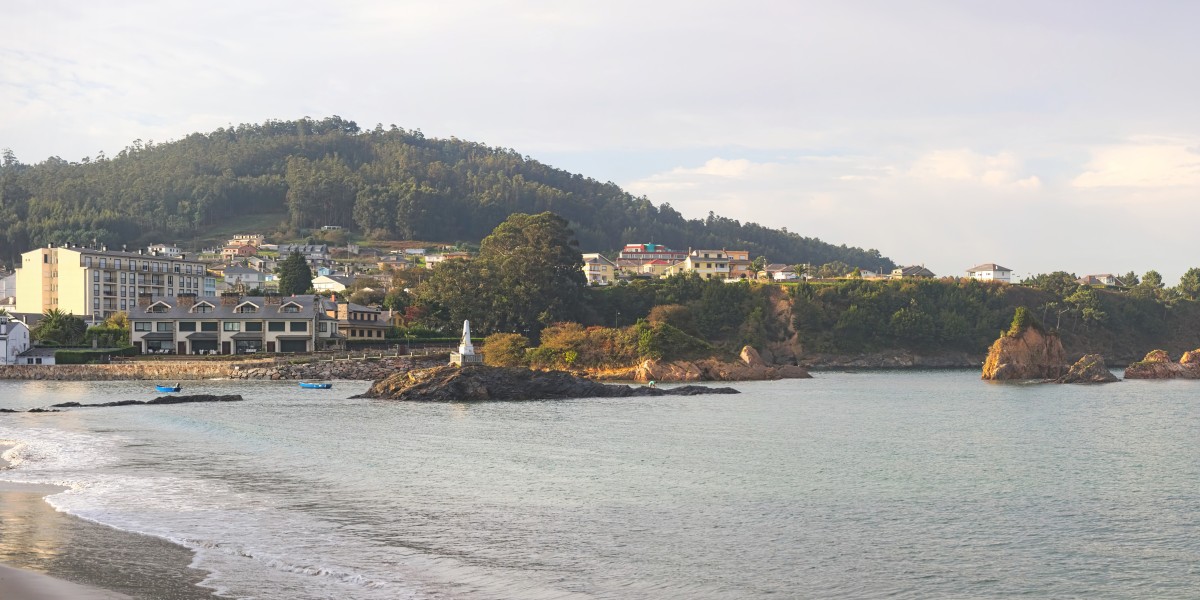
If there's one place in Spain that stands out for its Viking presence, it's Viveiro and its surroundings, on the northern coast of Galicia. On the nearby San Román beach, a unique fortification was discovered: a motte-and-bailey castle with a structure unusual in the Iberian defensive tradition and more akin to Northern European models.
Its chronology coincides with the period of Norman raids on the Galician coast, which has fuelled academic debate about its possible Viking origin. Beyond the archaeological site, the Viveiro estuary offered these fleets the natural shelter they needed to take refuge and restock before continuing their voyage.
A Coruña
In 844, a Viking fleet reached the Galician coast and was defeated near present-day A Coruña. The ancient Brigantium Lighthouse – now known as the Tower of Hercules – already stood as a maritime landmark.
The Roman lighthouse, still in operation today, witnessed the beginning of a period of raids that struck fear into coastal towns. A stroll today around the Tower, with the Atlantic Ocean lapping against the cliffs, helps you understand why these shores were strategically important for both attack and defence.

Mundaka (Vizcaya)
Some medieval chronicles mention the presence of groups identified in Mundaka as "al-madjus", a term that some historians associate with the Vikings. Furthermore, the legend of Jaun Zuria, supposedly the first lord of Biscay, speaks of an ancestry linked to warriors from the north.
There is no conclusive archaeological evidence of permanent settlements, but the legend is part of the local identity. The Urdaibai estuary, the hermitage of Santa Catalina, and the rugged coastline complete a scene that, whether real or legendary, sits perfectly within the Nordic imagination.

Cudillero (Asturias)
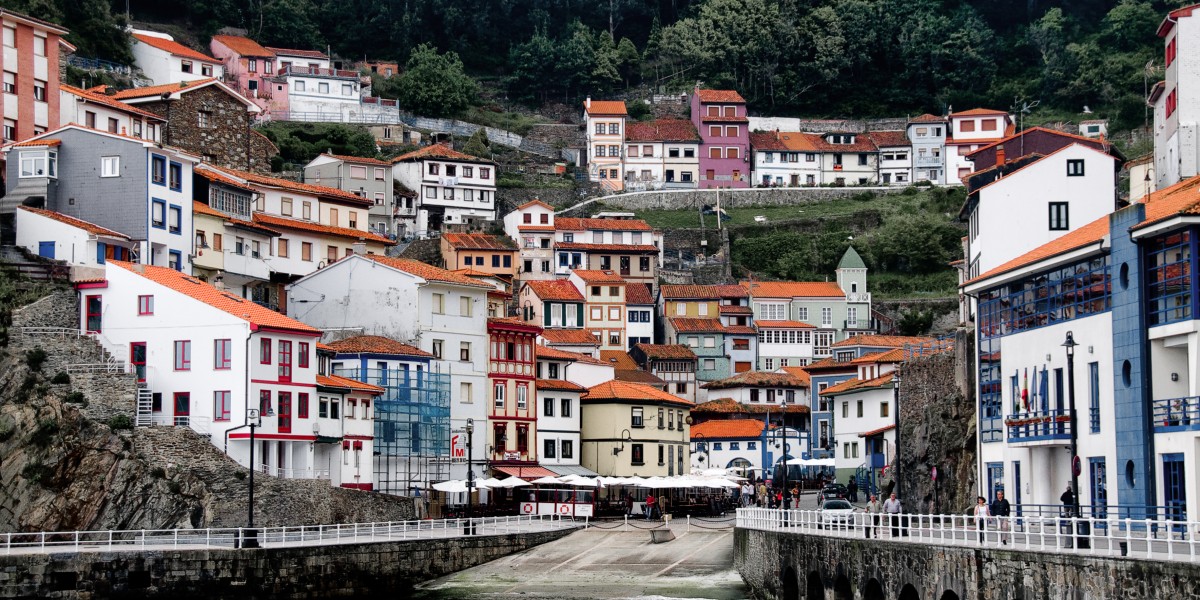
In Cudillero, the Viking presence is more a matter of legend than material evidence. Local tales speak of fleets that supposedly used its natural harbour as a stopover point. Furthermore, the town's unique historical division between a fishing neighbourhood and an inland neighbourhood has fuelled these theories.
The colourful houses, the cliffs and the wild Cantabrian Sea reinforce that feeling of an exposed Atlantic port in one of the most picturesque towns in northern Spain.
Seville
Not everything happened in the north. In 844, a Viking expedition sailed up the Guadalquivir River, occupied Seville for a time, and was eventually expelled by the forces of the Emirate of Córdoba.
No material remains directly linked to that episode survive, but the chronicles describe the impact of the attack and the subsequent defensive reorganisation. Places like the Torre del Oro (Tower of Gold) today symbolise the constant vigilance over the river that served as a gateway for such incursions.

San Juan de Gaztelugatxe (Vizcaya)
Although this iconic islet has no connection to the Vikings, its atmosphere immediately brings to mind the landscapes of Northern Europe. Connected to the mainland by a bridge and a staircase leading up to a hermitage, it could easily be mistaken for a Scandinavian scene.
Cliffs, rock arches and a horizon open to the Cantabrian Sea create a near-cinematic setting. Located near the Biscayan town of Bermeo, its image fits perfectly with the popular iconography of the Viking world.

Arousa and Catoira estuary (Pontevedra)
In Catoira, on the banks of the Ulla River, the Western Towers still stand – part of the defensive system built to protect river access to Santiago de Compostela. For centuries, these fortifications withstood attacks from the sea, including Norse raids.
In addition to exploring the towers and the river environment, the visit can be complemented with a walk through the natural area of the Ulla marshes, ideal for birdwatching and walking the boardwalks along the water.

Riaño (León)
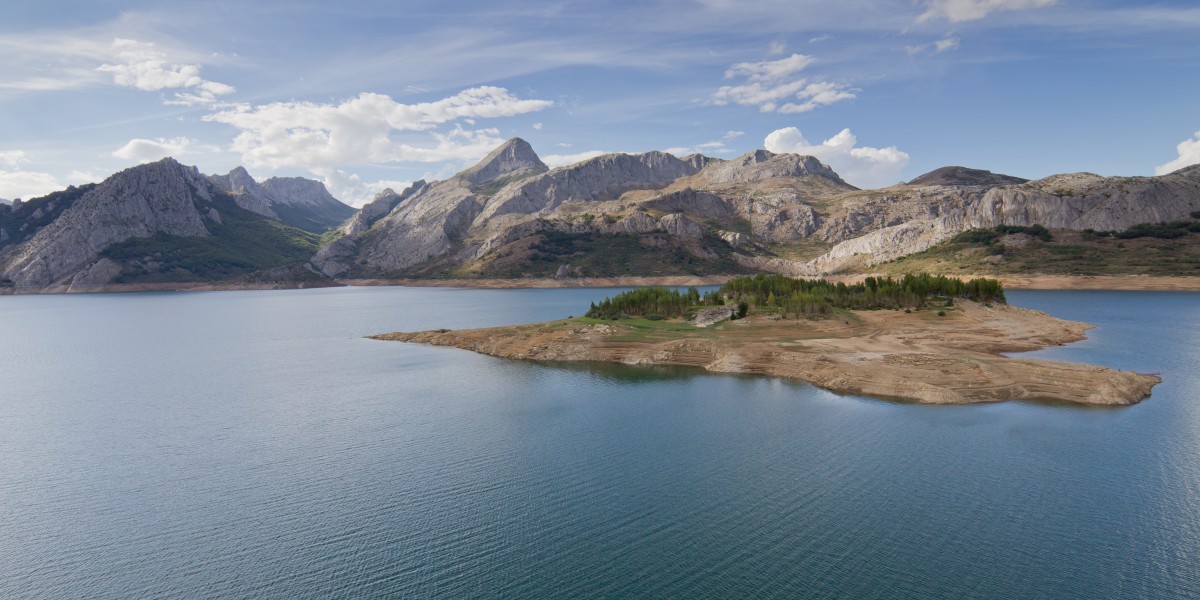
Riaño has no direct historical connection to the Vikings, but its landscape deserves a place on this list for pure aesthetics. The Riaño reservoir, surrounded by rugged mountains, has earned it the nickname of the "Leonese fjords".
The water nestled between peaks, the low-lying fog and the open horizons create a strikingly Nordic feel in the heart of the Iberian Peninsula. The new town of Riaño, rebuilt after the creation of the reservoir, is also worth a visit.