Cantabria is renowned for its cliffs, wild beaches, green valleys and small towns. But in the far south – away from the coastal bustle – lies the region’s largest municipality, a territory spanning almost 300 km² that conceals some of Cantabria’s most spectacular and lesser‑known landscapes. Find out which municipality it is in this article.
Cantabria's largest municipality by area
The largest municipality in Cantabria by area is Valderredible, covering 298.48 km² in the southern part of the region, shaped by the Ebro River. It is located in the Campoo‑Los Valles area and borders the province of Burgos.
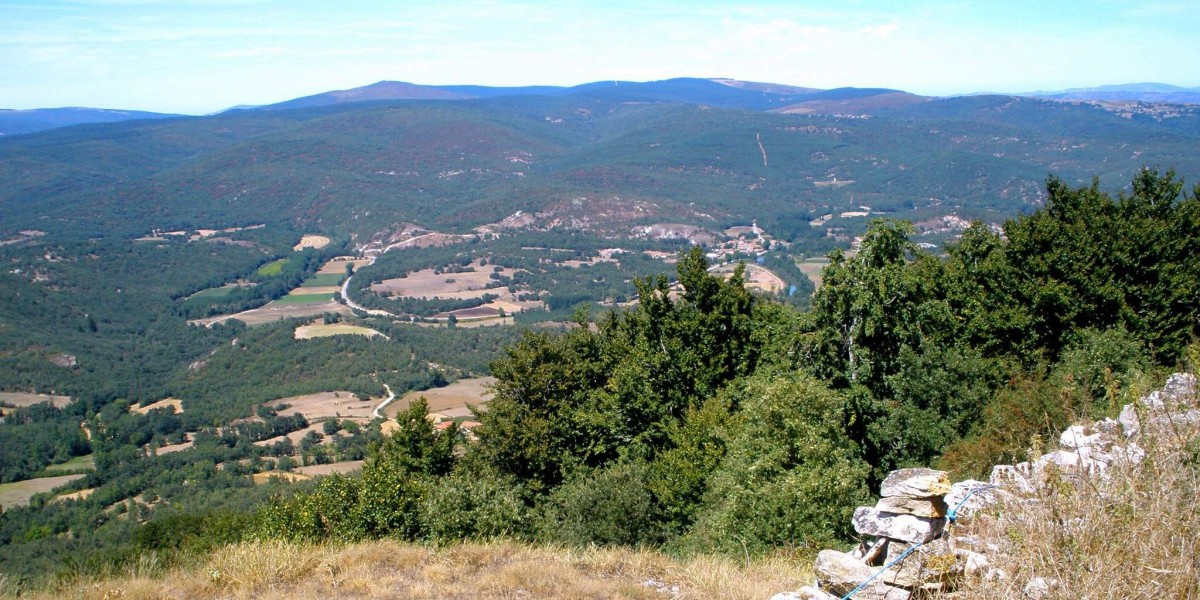
Unlike more densely populated municipalities, Valderredible is characterised by its highly dispersed layout – comprising more than 40 towns, villages and hamlets, all with a distinctly rural character, with Polientes as its administrative centre. Its extensive territory supports a wide variety of natural landscapes.
What to see in Valderredible
Valderredible offers an impressive combination of historical and natural heritage – the result of centuries of history and a privileged setting. These are some of the most notable places to visit:
- Santa María de Valverde cave church: Carved directly into the rock, it is one of the finest examples of early medieval cave architecture in Cantabria.
- Rock Art Interpretation Centre: Located next to the cave church, it helps visitors understand the historical and cultural significance of these rock‑cut hermitages.
- Monte Hijedo: One of the most important forests in northern Spain, home to ancient oak trees and a network of excellent walking routes.
- Ebro Canyon: A gorge carved by the river, featuring natural viewpoints with sweeping panoramic views.
- San Martín de Elines collegiate church: A highlight of Cantabrian Romanesque architecture, known for its remarkable cloister and artistic detail.
Living in Valderredible
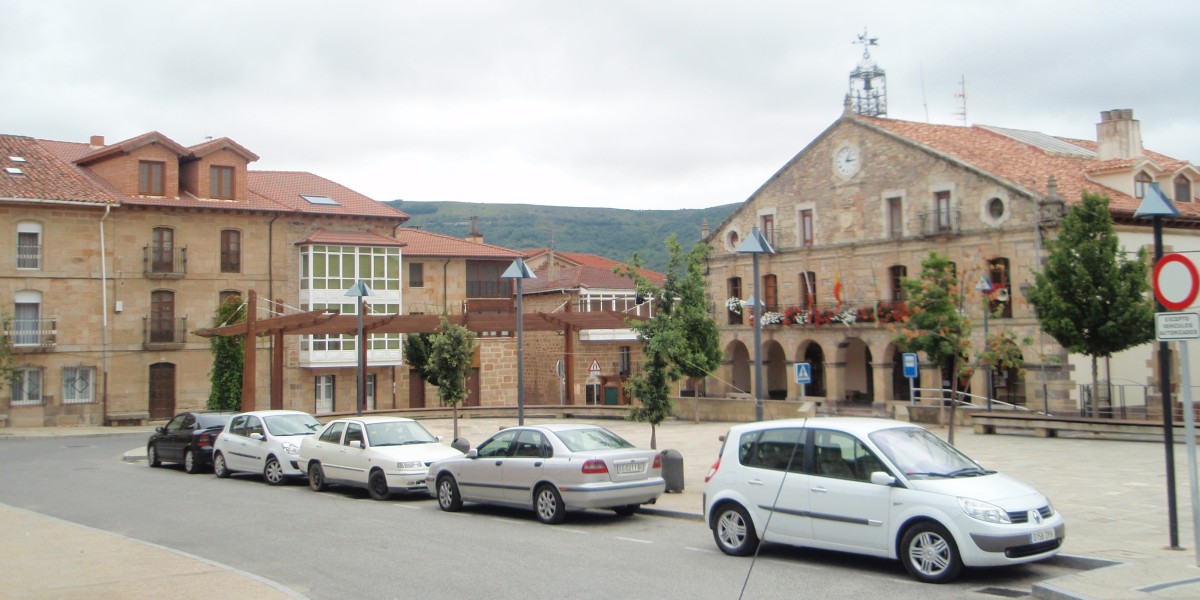
Living in Valderredible means embracing tranquillity and a close connection with nature. Its small villages maintain a slower pace of life, with a strong sense of community and deeply rooted traditions. It is an ideal setting for those looking to escape the pace of urban life.
Although services are more limited than in larger towns, the quality of life and direct connection with the surrounding landscape more than compensate for this for many residents.