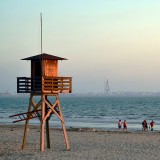
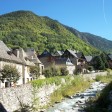
Can you enjoy spectacular views without a strenuous hike? Absolutely, provided you choose the right viewpoint and the right time to visit. Spain is home to hundreds of natural viewpoints and scenic walkways that have become popular weekend destinations, alongside quieter spots that often go unnoticed. With a little planning, you can avoid queues, unexpected closures and strong winds that might spoil the experience, while capturing the perfect photo. Here are seven simple tips to help you find and enjoy high-altitude viewpoints safely, make the most of the light and respect regulations that may not always be obvious but are still enforced. Everything is designed to help you make informed decisions quickly and get the most out of your trip.
Choose the viewpoint carefully: terrain, orientation and elevation
Not all viewpoints offer the same experience. Prioritise locations overlooking dramatic landscapes, such as cliffs, U-shaped valleys, river gorges or mountain passes with views across multiple slopes. Orientation also matters: west-facing viewpoints are ideal for sunsets, while east-facing locations provide the best sunrise views.
Height alone is not everything. A lower viewpoint overlooking a nearby drop can be far more impressive than a distant summit. In coastal areas, a sheltered headland often provides a better experience than an exposed point, even if it is lower. If you're looking for a dramatic sense of height, check the terrain on a map to see how close the viewpoint is to the edge.
When to go: golden hour, season and weather
The time of day can completely transform a landscape. Sunrise and sunset enhance colours and add depth, while midday light tends to flatten scenery and create harsher shadows. Weekdays are usually quieter and offer a more relaxed experience.
During peak travel periods, some destinations introduce visitor limits or shuttle services, so checking in advance can save unnecessary surprises. The weather forecast is equally important. Fog, haze or low cloud can obscure views entirely, while strong winds on ridges and cliffs require extra caution.
If you plan to stay for sunset, bring a head torch or allow enough time to return before darkness falls.
Arrive without surprises: access, parking and local regulations
Before setting off, check whether access is by road, track, trail or footbridge, and how long it actually takes to reach the viewpoint from the parking area. At popular destinations, car parks fill up quickly, so it is wise to identify an alternative nearby.
In protected areas, visitors are generally required to remain on designated paths and avoid crossing barriers or railings, even for photographs. Along the coast, temporary closures due to landslides or high tides should always be respected, even if signage is limited.
If you're travelling with a pet, leads are often mandatory, particularly in protected areas and grazing zones. It is also important to remember that recreational drone flights are prohibited in many national parks and environmentally sensitive areas unless specific authorisation has been granted.
Signage and temporary closures
Signage may vary depending on the authority responsible for the site and can change seasonally. It is worth checking recent warnings, official information sources and visitor reviews to identify roadworks, newly installed barriers, wildfire-related closures or visitor restrictions during peak periods.
A few minutes of research can prevent long detours and help you adapt your plans accordingly.
Safety at viewpoints and on cliff edges
Most accidents can be avoided through common sense. Never cross barriers or lean over unstable edges, regardless of how tempting a photograph may appear.
At coastal viewpoints, unexpected waves can occur even when conditions seem calm, while wet or polished rocks significantly increase the risk of slipping. In mountainous areas, strong gusts of wind can affect balance and stability, making it advisable to secure hats, tripods and loose equipment.
Footwear with good grip, a windproof layer and adequate water supplies can make a considerable difference, even on short walks. When travelling with children, choose viewpoints with secure railings whenever possible and establish clear safety boundaries from the outset.
How to find viewpoints using your phone
Finding reliable viewpoints has never been easier. Topographic map viewers help identify natural lookouts and their proximity to steep terrain, while route-planning apps allow you to check distances, elevation gain and recent visitor feedback.
Combining information from at least two sources is recommended, as it reduces the risk of errors and can reveal quieter alternatives nearby.
Useful tools and how to make the most of them
Before setting off, consider using the following resources:
- National map viewer (IGN/Iberpix): use relief and aerial imagery to understand terrain and locate viewpoints accurately.
- Google Maps/Google Earth: explore locations in 3D, check parking options and assess the viewpoint's orientation.
- Route apps (Wikiloc, AllTrails, Komoot): filter by "viewpoints", review distances and check recent visitor photos and comments.
- Official forecast (AEMET): confirm cloud cover, wind strength and visibility before travelling.
- Offline maps: essential when visiting areas with limited mobile coverage.
Viewpoints for everyone: accessibility and family visits
Spectacular views do not always require steep climbs. Many regional and local authorities have created accessible viewpoints along scenic routes, often featuring ramps and designated parking spaces.
When planning a visit, search for terms such as "viewpoint", "balcony" or "recreational area", and check whether the route surface is paved or compacted.
For visitors with reduced mobility or pushchairs, shorter routes with gentle gradients are generally most suitable, while sections with loose sand or smooth rock should be avoided. Facilities such as shade, toilets and picnic areas can also make a visit more comfortable.
If you're travelling with children, a pair of binoculars can make the experience more engaging while encouraging observation from a safe distance.
Photography and video: getting the best results responsibly
You don't need expensive equipment to capture impressive images. The soft light at sunrise and sunset adds depth and colour, while HDR mode on a smartphone can help manage strong contrasts.
A lens cloth is useful for preventing glare, and a compact tripod can improve image quality during the blue hour. However, equipment should never block pathways or obstruct viewing platforms.
If the viewpoint is busy, patience often pays off, as groups generally move on after a few minutes. When sharing locations on social media, consider including reminders about safety and respect for the natural environment.
Quick checklist before you leave
A simple two-minute checklist can prevent most problems before they arise. It works equally well for short outings and longer excursions:
- Choose your arrival time according to the viewpoint's orientation and the weather forecast.
- Confirm access, parking arrangements and a nearby alternative.
- Download maps offline and ensure your phone and head torch are charged if returning late.
- Pack suitable footwear, along with windproof and waterproof layers, if necessary.
- Review local regulations, including trail requirements, pet restrictions and drone rules.
Article from Viajes National Geographic in Spanish (viajes.nationalgeographic.com.es) Cliffs and dizzying panoramas: These are some of the most impressive viewpoints in Spain