Santillana del Mar is called the town of three lies because it is neither "holy" (santi) nor "flat" (llana) and, despite its name, it is not by the sea (del mar). Even so, it has been a must-visit destination on Cantabria's western coast for centuries.
Follow idealista/news in Spanish on the WhatsApp channel
Although its historic centre can easily be explored in an afternoon, Santillana del Mar is a place worth revisiting to appreciate every detail.
From hermitage to capital: the origins of Santillana del Mar
The history of Santillana del Mar dates back to the 8th century, when monks arrived carrying the relics of Saint Juliana and built a hermitage beside the village of Planes. The settlement grew around this religious centre and eventually adopted the saint's name.
The monastery became firmly established around the year 980 and, with the support of the Castilian nobility, developed into the most important medieval abbey in Cantabria. In 1209, Alfonso VIII granted the town a charter, a milestone that helped establish it as the capital of the Asturias de Santillana.
What to see in Santillana del Mar in just one day
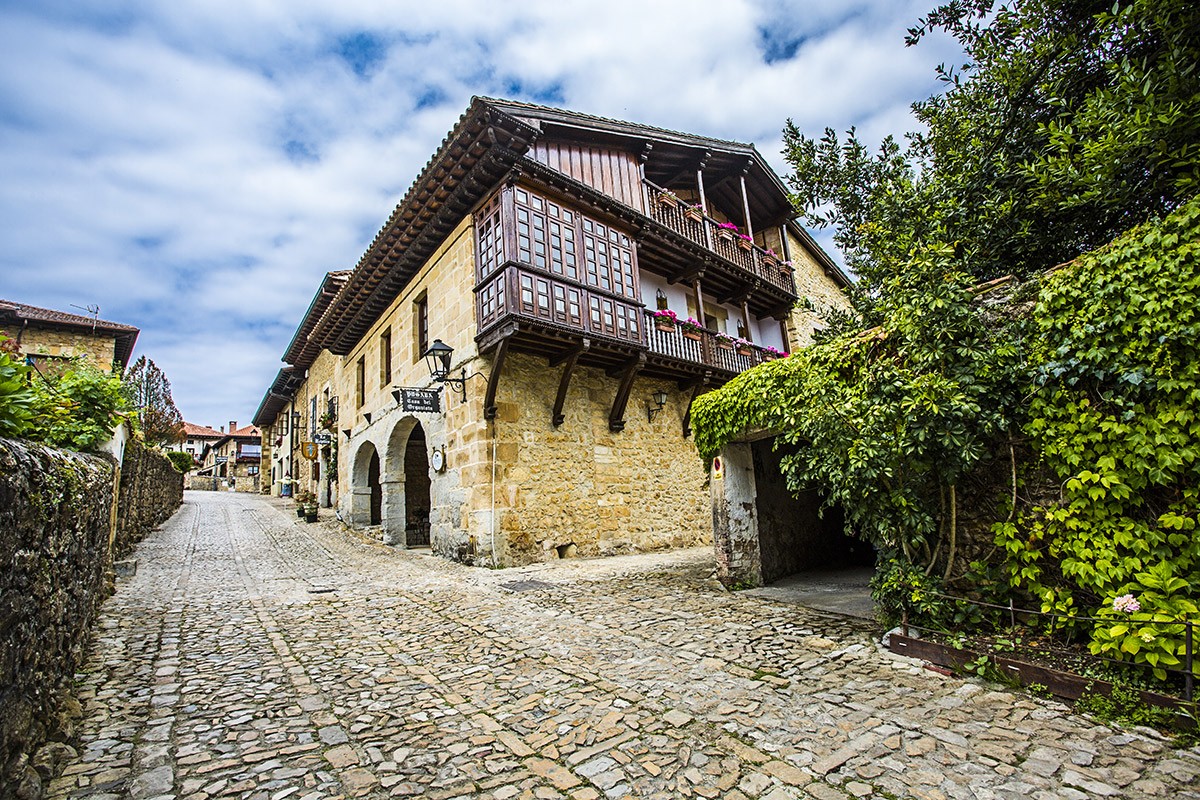
To enjoy Santillana del Mar, simply stroll along its two main streets:
- Calles Cantón and Juan Infante: The village's main street, lined with some of its best-preserved stone façades and noble coats of arms.
- Santa Juliana Collegiate Church: Built mainly during the 12th century, it became the first officially protected monument in Cantabria in 1889. Its cloister, featuring more than 40 sculpted capitals, is the highlight of the complex.
- Don Borja Tower: One of the best-preserved fortified tower houses in the village.
- Casa de los Hombrones: One of Santillana's most photographed manor houses, named after the two carved figures that decorate its façade.
- Jesús Otero Museum and Santillana Foundation: Two cultural venues that complement the medieval heritage with art and cultural exhibitions.
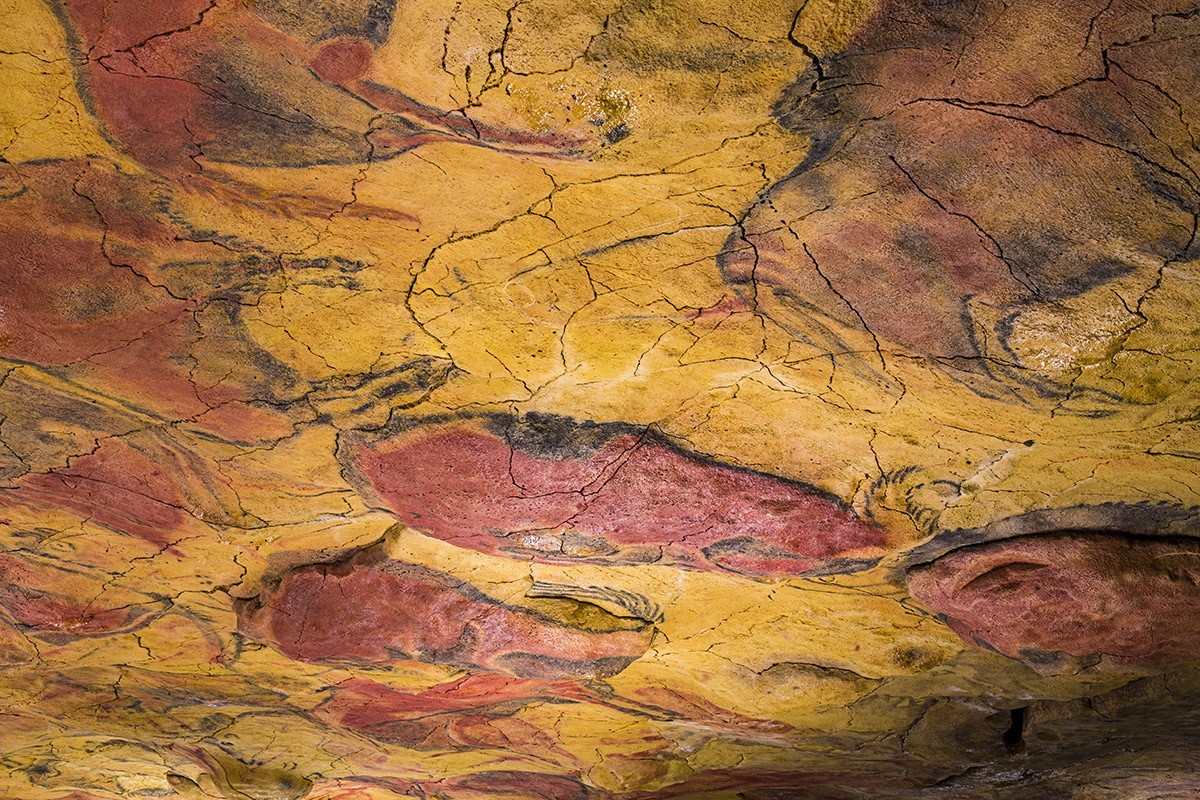
- Altamira Caves: Located just a few kilometres from the historic centre, the Altamira Museum features a faithful replica of the famous cave paintings found in the original cave, which has been closed to the general public for decades.
What to eat in Santillana del Mar
Cantabrian gastronomy is well represented in Santillana del Mar, with menus featuring everything from fresh fish and seafood from the Cantabrian Sea to traditional stews and locally produced meats.
Cheese also plays an important role in the village's culinary scene. Just a short walk from the Collegiate Church, visitors will find specialist shops offering a wide selection of Cantabrian cheeses. In addition, the Camplengo neighbourhood, on the outskirts of the village, is home to a family-run cheese dairy that produces artisan cheeses using traditional methods and raw milk from its own herd.
Special mention must also go to sobaos pasiegos and quesada, two of Cantabria's most iconic sweet treats and an essential part of any visit to Santillana del Mar.