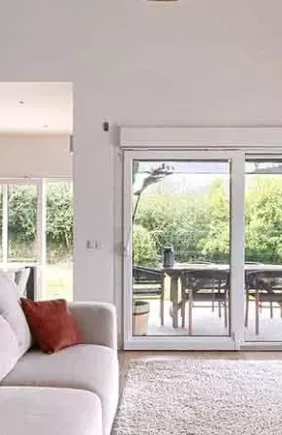
Los Realejos, in northern Tenerife, is a municipality that combines Canarian tradition, natural beauty and proximity to the sea in a setting that is more residential than tourist‑oriented. Its territory ranges from coastal areas to mid‑altitude neighbourhoods with spectacular views over the Atlantic. If you are considering moving there, this guide helps you understand what living in Los Realejos is really like.
What is it like to live in Los Realejos?
Living in Los Realejos means enjoying a peaceful environment with its own distinct character. With a population of over 35,000 residents, the municipality offers a wide range of services distributed across its different neighbourhoods. It does not rely solely on tourism, which provides greater stability throughout the year.
In terms of infrastructure, it is well connected thanks to the TF‑5 motorway, which allows quick access to Puerto de la Cruz (in less than 10 minutes) and to Santa Cruz de Tenerife in around 25–30 minutes, depending on traffic. Regular bus services also connect the area with other municipalities.
Regarding healthcare, the municipality has several primary care centres and is located close to major hospitals such as the University Hospital of the Canary Islands and the hospital facilities in Puerto de la Cruz.
Leisure activities have a strong natural component. Beaches such as El Socorro – popular with surfers – hiking routes in the mid‑altitude areas and viewpoints overlooking the valley form part of everyday life. In addition, traditional festivals are a key feature of the local calendar.
Best areas of Los Realejos
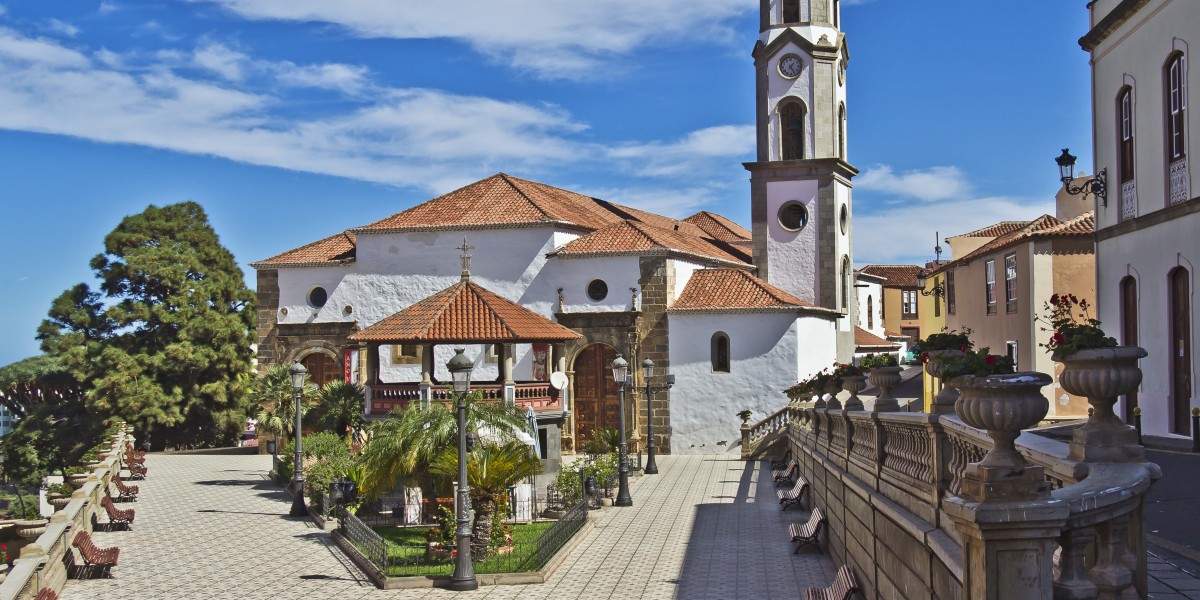
Los Realejos is made up of several distinct areas, each with its own unique characteristics. From more central and practical locations to rural areas with open views, your choice will depend on the lifestyle you're looking for.
Los Realejos center
The town centre, encompassing Realejo Alto and Realejo Bajo, is the hub of commercial and administrative activity. Living here means having supermarkets, schools, banks and public transportation all within easy walking distance. It's a convenient area for those who value being able to walk and enjoy a traditional atmosphere.
Longera-Toscal
Longuera and Toscal are among the most sought-after areas due to their proximity to Puerto de la Cruz and their residential character. Low-rise buildings and quiet residential developments predominate, with easy access to the highway and Puerto de la Cruz. It's ideal for those who work in the north of the island and are looking for a more relaxed environment than the purely touristy one.
Montaña-Zamora-Cruz Santa-Palo
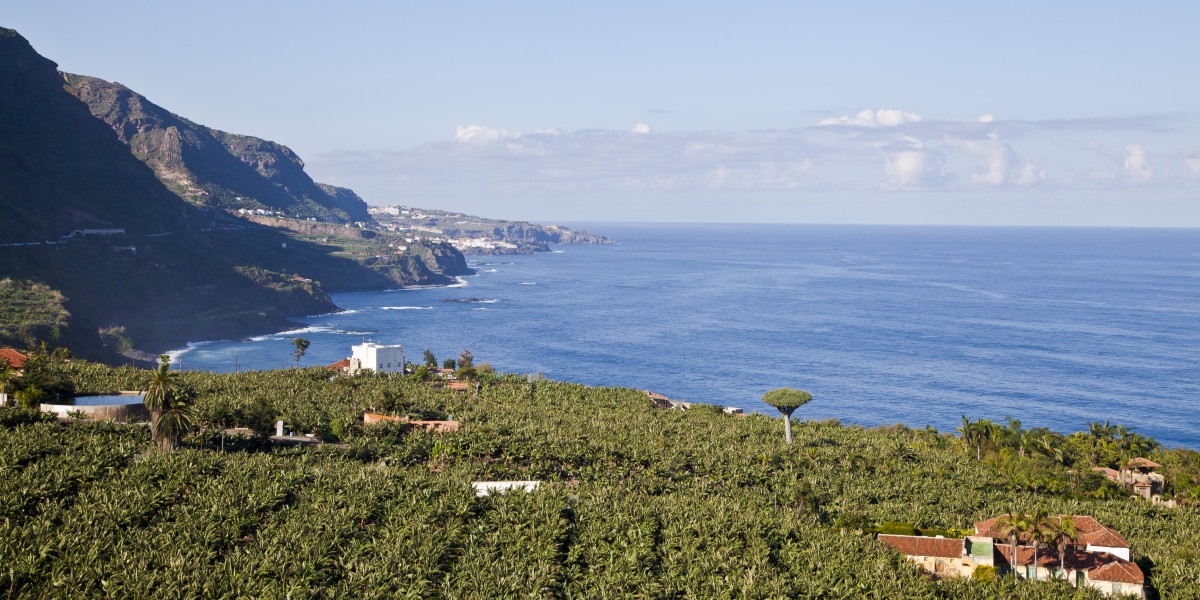
These mid-altitude areas offer a more rural atmosphere and panoramic views of the ocean and the Orotava Valley. Single-family homes and houses with land are common here, providing greater privacy. These neighbourhoods are designed for those who prioritise tranquillity and space, although they do require more car use.
- Property for sale in Montaña-Zamora-Cruz Santa-Palo Blanco
- Long-term rentals in Montaña-Zamora-Cruz Santa-Palo Blanco
Cost of living in Los Realejos
The average price for buying a home in Los Realejos stood at €2,210 per square metre in April 2026, although prices may be higher for properties with sea views.
In terms of transport, a single bus ticket within northern Tenerife typically costs between €1.45 and €2.50, depending on the route. Monthly passes can significantly reduce costs. Fuel prices in the Canary Islands are generally lower than on the mainland, which helps offset the frequent use of cars.
As for food, a weekly grocery shop for two people usually ranges between €60 and €90, rising to €120–150 for a family of four. Eating at an average restaurant typically costs between €12 and €20 per person, although prices may be slightly higher in coastal areas.
- Evolution of the property prices in Los Realejos
- Evolution of long-term rental prices in Los Realejos
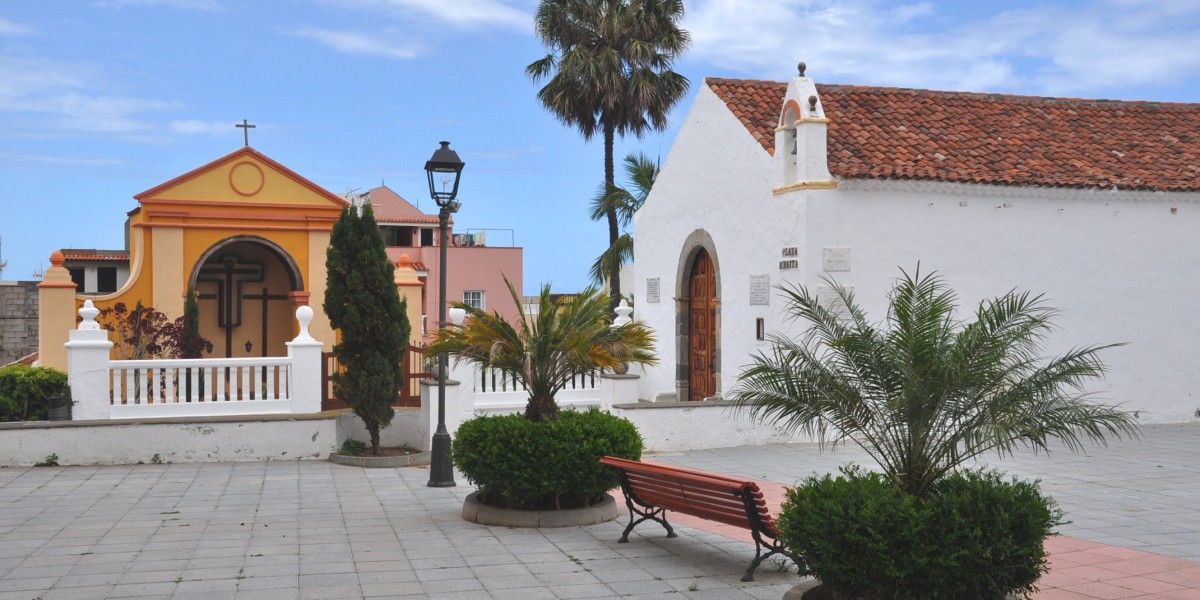
Price comparison: Los Realejos, Puerto de la Cruz or Santa Cruz de Tenerife?
If you are considering alternatives, it is common to compare Los Realejos with Puerto de la Cruz or Santa Cruz de Tenerife, as both offer different lifestyles within the island.
Living in Los Realejos or Puerto de la Cruz
Puerto de la Cruz, due to its established tourist character, tends to have higher prices. The price per square metre is around €3,458, especially higher in beachfront or central areas. Rents are also usually higher due to high demand.
Los Realejos offers more affordable prices and a more residential environment, while maintaining proximity to all the services and beaches of the Port.
- Evolution of property prices in Puerto de la Cruz
- Evolution of long-term rental prices in Puerto de la Cruz

Living in Los Realejos or in Santa Cruz de Tenerife
In Santa Cruz, the average purchase price is €2,576 per square metre, although this varies depending on the neighborhood. Rents also tend to be higher due to the concentration of employment and services.
In return, the capital offers more job opportunities and shopping options in neighbourhoods. Los Realejos, on the other hand, provides a more relaxed lifestyle and slightly more affordable prices.
- Evolution of property prices in Santa Cruz de Tenerife
- Evolution of long-term rental prices in Santa Cruz de Tenerife

Pros and cons of living in Los Realejos
Living in Los Realejos has several strengths that make it an attractive option in northern Tenerife. These are its main advantages:
- A privileged natural environment, with beaches, trails and viewpoints.
- Quiet residential environment and less touristy than other nearby areas.
- Good road connections to the north and the capital.
- Housing prices are more affordable than in neighbouring tourist municipalities.
As with any place, there are also aspects to consider before moving:
- Car dependence in mid-altitude neighbourhoods or more dispersed areas.
- Limited job opportunities within the municipality itself.