You don't need to fly to the Balearic or Canary Islands to enjoy an island in Spain. Along the country's coastline, there are small islands surrounded by sea that can be reached by boat and, in some cases, even on foot or by swimming. They make ideal destinations for a unique day trip, combining protected nature, history and peaceful beaches. Discover 12 islands you can visit off mainland Spain.
Benidorm Island
Also known as the "Island of Journalists", this small islet rises from the sea opposite the Benidorm skyline. Accessible by boat from the town's port, it is one of the most popular excursions on the Costa Blanca.
Its main attraction is the surrounding marine environment, which is ideal for snorkelling thanks to the clarity of the water. From the island, visitors can enjoy sweeping views of the coastline and Puig Campana, the mountain linked to the local legend that tells how the giant Roland tore away a fragment of rock to form the island and prolong the life of his beloved.

Cíes Islands
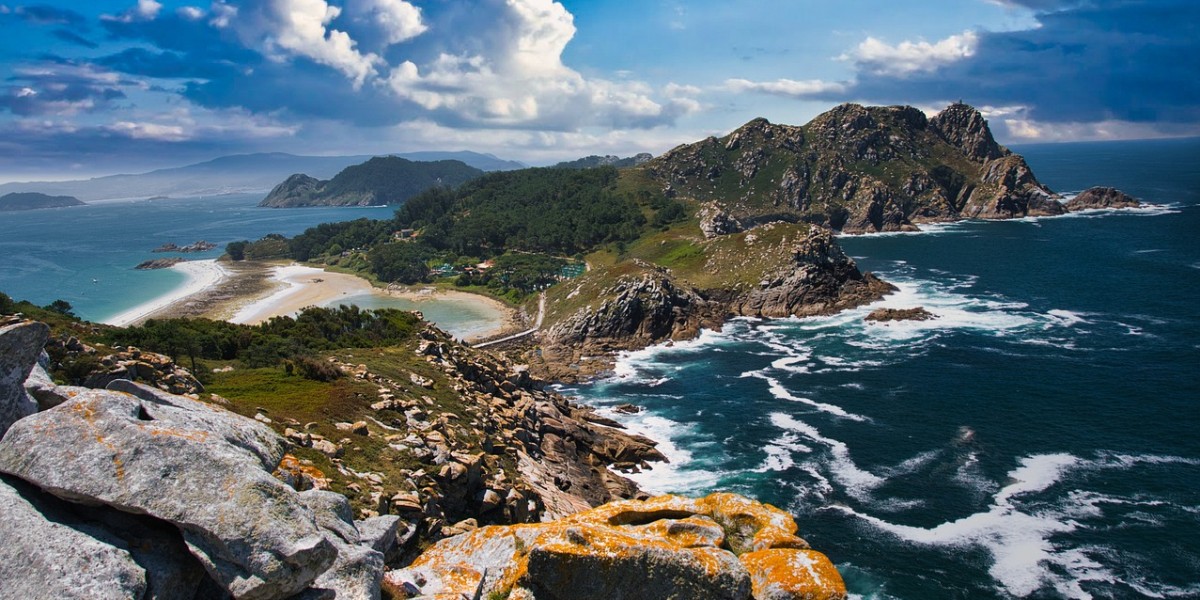
The Cíes Islands archipelago, located in the Vigo estuary, is one of Galicia’s most iconic natural areas. Made up of the islands of Monteagudo, Faro and San Martiño, only the first two are open to visitors. Among their highlights is Rodas Beach, renowned for its white sand and crystal-clear waters.
Access is by ferry from Vigo, Cangas or Baiona, although prior authorisation is required as the islands form part of the Atlantic Islands of Galicia National Park, a protected natural area with visitor limits in place.
Santa Clara Island
Located in the heart of La Concha Bay in San Sebastián, Santa Clara Island is one of the city's most recognisable landmarks. During the summer season, a regular boat service connects the island with the port, although it can also be reached by swimming when sea conditions are calm.
The island features walking paths, picnic areas and a natural seawater swimming pool that opens during the summer months. Its history dates back centuries and includes a period in the 16th century when it was used as a quarantine station during outbreaks of disease.

Isla del Fraile
Off the coast of Águilas, in the Region of Murcia, lies Isla del Fraile, a small island of considerable archaeological and scenic importance. It has no regular tourist connections, although it is often reached by kayak or small boat from nearby stretches of coastline.
Its surrounding waters are home to Roman remains and a rich variety of marine life, making the area particularly popular with diving and snorkelling enthusiasts.

Sálvora Island
Sálvora Island is one of the wildest and least visited islands in Galicia. Part of the Atlantic Islands of Galicia National Park, it is known for its unspoilt beaches, rugged landscapes and the remains of its former village and fish-salting factory.
Visitor numbers are strictly limited, and access is only possible through authorised excursions departing from ports such as O Grove and Ribeira. These restrictions help preserve the island’s natural environment and ensure a peaceful, low-impact visitor experience.

Pedrosa Island
Located in Santander Bay, Pedrosa Island is connected to the municipality of Pontejos by a bridge, making it one of the few islands in Spain that can be reached without a boat. Surrounded by pine woods and walking trails, it is a popular destination for those interested in exploring abandoned sites or simply enjoying a peaceful stroll with views across the bay.
Throughout much of the 20th century, the island was home to a sanatorium complex. Today, it forms part of the natural landscape surrounding Cabárceno and Santander Bay, offering a tranquil environment in a setting rich in history. Its proximity to Santander means it can be reached in just a few minutes by car.
- Property for sale in Marina de Cudeyo
- Long-term rentals in Marina de Cudeyo
- Holiday homes in Marina de Cudeyo

Columbretes Islands
The Columbretes Islands, a volcanic archipelago off the coast of Castellón, are among the most valuable marine environments in the Spanish Mediterranean. Only Illa Grossa is open to visitors, and access is subject to advance booking due to strict limits on daily numbers.
Boat excursions depart from several ports in the Valencian Community, particularly from Castellón de la Plana. Visitors can enjoy guided tours, snorkelling and a visit to the historic lighthouse, all within a largely untouched natural setting protected for its ecological importance.
- Property for sale in Castellón de la Plana
- Long-term rentals in Castellón de la Plana
- Holiday homes in Castellón de la Plana

Ons Island
Also in Galicia, the island of Ons offers nature, maritime tradition and great local food. It can be reached by ferry from various points in the Rías Baixas with prior authorisation.
It has hiking trails that wind along cliffs, beaches and natural viewpoints, as well as restaurants where octopus is a local speciality. Unlike other protected islands, there is a small inhabited village here.

Pancha Island
In Ribadeo (Lugo), Pancha Island is known for its white and blue lighthouse, which has become one of the icons of the Galician Cantabrian coast. It is connected to the mainland by a pedestrian bridge, although access may be regulated depending on the season.
The surroundings offer open views of the Cantabrian Sea, and it is common to visit it at sunset, when the landscape becomes more attractive.

Tabarca Island
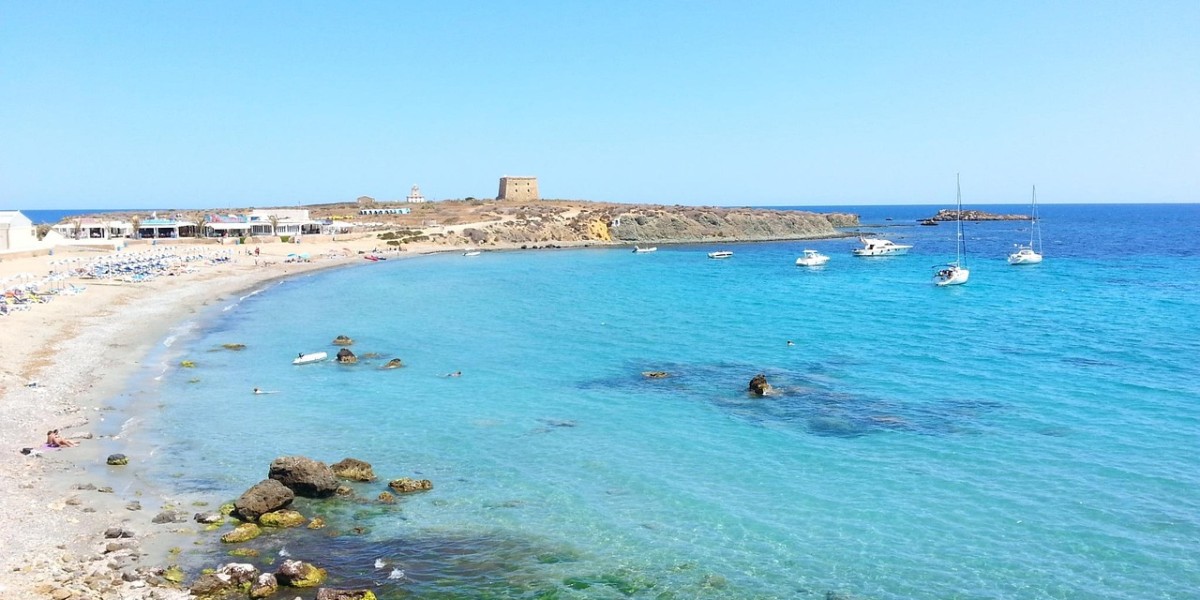
Off the coast of Alicante, Tabarca is the only inhabited island in the Valencian Community and the smallest populated island in Spain. It can be reached by ferry from Alicante or Santa Pola and is notable for its marine reserve, declared in the 1980s.
Besides its coves, perfect for swimming and snorkelling, it boasts a small walled town centre with traditional architecture. The local cuisine, especially caldero (a type of fish stew), is one of the highlights of this short getaway.
Sancti Petri Islet
In the province of Cádiz, the islet of Sancti Petri is home to a 16th-century castle built upon ancient ruins linked to the Temple of Hercules. It can be reached by boat or kayak from the marina of Novo Sancti Petri.
Guided tours allow visitors to explore the fortress and learn about its strategic past in the defence of the Andalusian Atlantic coast.

Cortegada Island
Located off the coast of Carril, in the Arousa estuary, Cortegada Island is known for its extensive laurel forest, one of the largest of its kind in Europe. It forms part of the Atlantic Islands National Park and can also be accessed by authorised boats.
At low tide, visitors can reach the island on foot via an old path historically used by its inhabitants. Its circular trails allow you to discover the remains of ancient dwellings and a well-preserved natural environment.