Alicante is best known for its beaches, pleasant climate and Mediterranean holiday destinations, but the province's inland areas reveal a very different side of its heritage. Here, several former settlements survive in various states of abandonment, offering a glimpse into a lesser-known chapter of Alicante's history.
Discover three abandoned villages in Alicante that are still open to visitors today.
Llombai
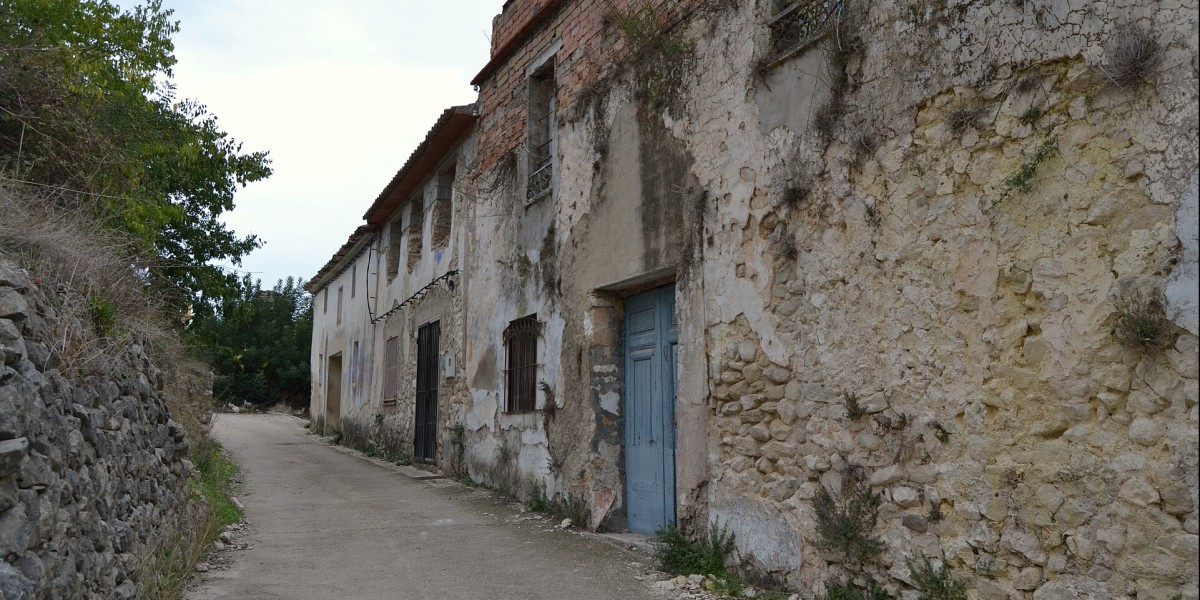
Hidden in the heart of Vall de Gallinera, in the Marina Alta region, lies Llombai, a small hamlet that once consisted of little more than 15 houses arranged along a single street. Its economy was based on olive cultivation, with oil produced locally and sold in nearby towns such as Pego.
Depopulation began in the 1960s, when residents gradually moved to neighbouring villages with better services, including Alpatró, while continuing to work the surrounding land. The last resident passed away in 1977.
The village is also associated with the story of Stefan Gregor, a mysterious foreigner of uncertain origin whom locals linked to a Nazi officer believed to have lived there in seclusion for almost 30 years.
- Property for sale in Vall de Gallinera
- Long-term rentals in Vall de Gallinera
- Holiday homes in Vall de Gallinera
El Ráfol of Famut
El Ráfol de Famut was a small medieval settlement located in the area known as La Solana, within the present-day municipality of Jalón (Xaló). Although it has long since disappeared, its existence is documented as early as the beginning of the 15th century, when historical records referred to its location beside the Gorgos River.
Its name derives from the Valencian adaptation of the Arabic name Hamude, reflecting the settlement's Muslim origins. Throughout the Middle Ages, it passed through the hands of several noble families, including the Ausiàs March family following his marriage to Isabel Martorell.
Historical documents also preserve the name of one of its inhabitants, Azmet Ubaydalla, providing evidence of the Muslim community that once lived in this ancient Marina Alta settlement.
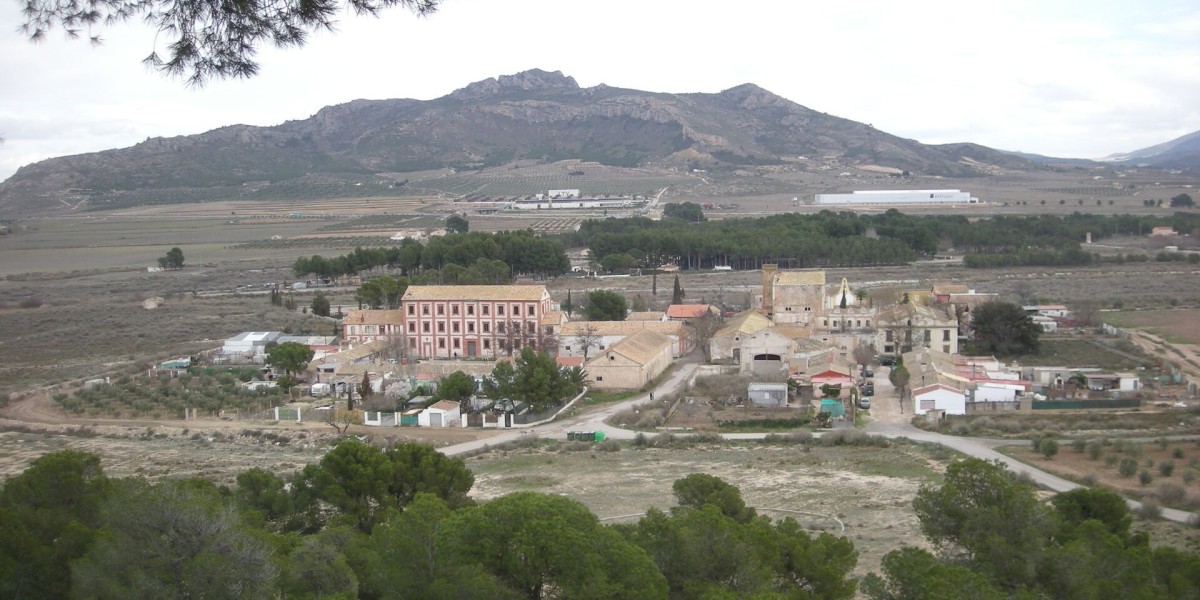
Santa Eulalia Colony
Between Sax and Villena stands the Santa Eulalia Colony, a unique industrial and residential complex built in the late 19th century. Inspired by utopian and social reform ideals, it was conceived as a self-sufficient community where workers lived alongside factories, housing, a theatre, a cooperative shop, a winery, a chapel and other facilities.
After reaching its peak during the early decades of the 20th century, the decline of local industry and the abandonment of agricultural activity triggered a gradual deterioration of the entire complex.
Although many of its buildings are now in ruins, several landmark structures remain standing, including the Palace of the Counts, the flour mill and Santa Eulalia hermitage. In 2016, the complex was granted Bien de Interés Cultural (BIC) status, recognising its historical and cultural significance.