Finding a box of old junk in the attic has always excited me. When I was little, we used to go on holiday to my parents' summer house in Las Hurdes, which had an attic space in the roof. I would hide a trunk full of clutter up there. I loved looking at that pointless collection of things. I would almost clamber into the trunk as I rummaged through it, taking out its contents, only to put them all back again.
Unexpected finds – albeit worthless – are always a joy. Now that we are in peak beach season, we will all no doubt spot someone with a metal detector searching the sand. I'm unsure what they are looking for, but I get how amazing it feels when you find something. I once unearthed three €1 coins on a beach in Menorca just by digging with my hands, and you wouldn't believe how happy I was! A pauper's joy, like when you uncover a forgotten €20 note in your coat pocket.
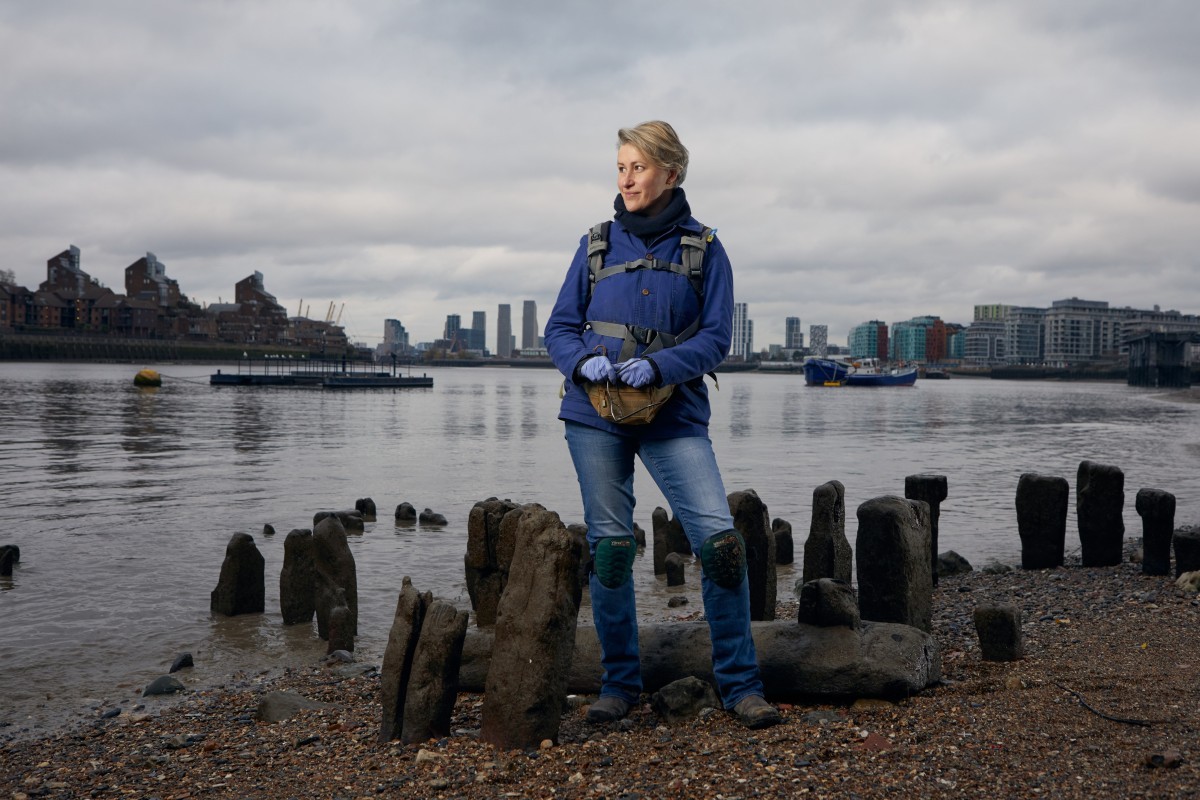
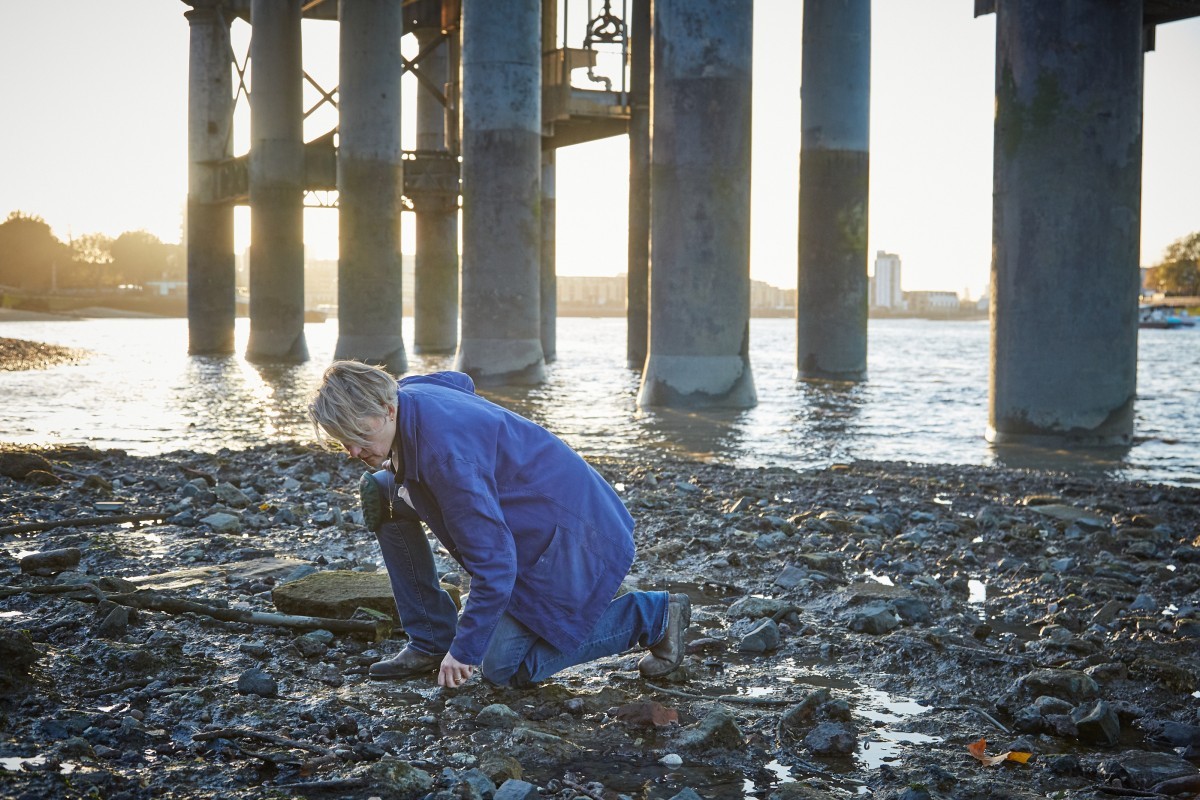
This story is about looking for objects and making happy finds. There is a beautiful book published by Captain Swing (these guys know what they're doing, so keep an eye on them) called Mudlarking, about the history of lost (and found) objects along the River Thames. A mudlark is someone who rummages through the mire of a river or harbour, and the book's author, Lara Maiklem, is one. In the book, she recounts her findings along different stretches of the river, explaining how she searches and the techniques she uses. Don't be fooled into thinking there is no technique involved in rummaging around the riverbanks!
The north side of the river at Ludgate Hill and Cornhill is where Roman remains are most likely to be found, related to the ancient city. When the medieval bridge was dismantled in 1831, thousands of Roman coins, tools, rings, brooches, pottery, iron spearheads, etc., were extracted from the riverbed. "Metal figurines of Roman deities (Apollo, Jupiter, etc.) were also found," Maiklem explains.
Among the most impressive finds was a highly decorated castration clamp. "The clamp found at London Bridge would have been used to help remove the testicles by stopping the blood flow. Perhaps the ceremony involved a visit to the river, and the clamp was thrown in as an offering, or perhaps it fell in by accident," the book quotes.
The author confesses that she has many Roman finds among her treasures, such as bone hairpins and game pieces. There are so many objects from this period that it was even suggested that there was once a shrine in the middle of the bridge, "where people would throw coins and good luck offerings". Medieval pewter pilgrim insignia (an alloy of tin, copper, antimony, etc., usually soft and white, similar to silver) are desirable and appear frequently.
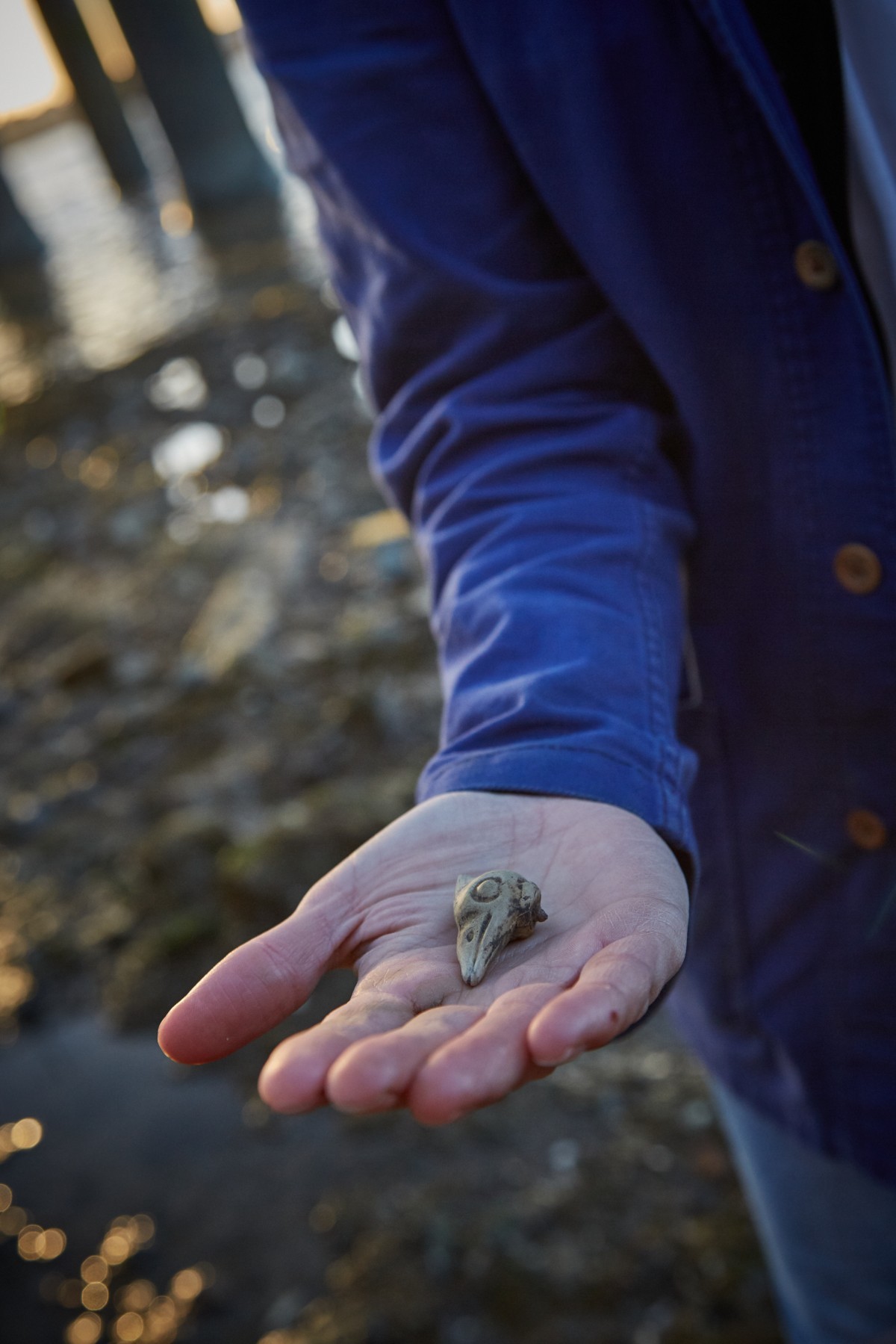
But the most common things the riverbanks hide are Hindu religious objects. "For the Hindu community, the Thames has become a substitute for the Ganges and represents vitality, purity, motherhood, fertility, life, tolerance, transience and a return to one's origins. The river is also a worthy place to dispose of once-sacred, worn-out objects," the author explains in the book.
As a result, in her research, the author has found piles of figurines, images of Hindu gods, and strings of prayer beads, especially on the east bank in central London, where a large Hindu community lives.
It reminds me of when I travelled to Kathmandu. As soon as we got to the hotel, we went to walk around the city and ended up in a Hindu temple next to a sacred river (they called it a river, but it was more like a trickle of muddy water). I had to cross it at lightning speed over a bridge made of sacks (the photographer was astonished and kept asking me why I was taking such a risk). I was being chased by a flea-ridden monkey and, believe me, that was more dangerous than falling into filthy water full of dead people's ashes.
Are there mudlarks in Madrid? Have there been any curious finds along the Manzanares? Doing a quick Google search, and apart from the most recent mention that it is one of the European rivers with the highest concentration of drugs, in the early 19th century, fossil remains of large vertebrates were found around the Toledo Bridge. In 1993, this was conducive to Terrazas del Manzanares, stretching from the El Pardo border in the north to Getafe town, being named a Site of Cultural Interest, as more than a hundred archaeological and palaeontological sites were uncovered.
So you see, there are treasures everywhere. You just have to know how to look for them, and I think summer is a fabulous time to give a new hobby a go.