Barcelona is a city renowned worldwide for its cultural richness, architecture and Mediterranean lifestyle, yet like any major urban centre, it also has areas with higher levels of crime.
According to official data from the Mossos d’Esquadra, Catalonia's autonomous police force, and citizen security studies for 2025, certain neighbourhoods record a higher concentration of reports involving theft, robbery, squatting and night-time incidents. These are the 10 most dangerous neighbourhoods in Barcelona.
- El Raval, the most dangerous neighbourhood in Barcelona
- La Mina, a dangerous area in Sant Adrià del Besòs
- Barceloneta, the third most dangerous neighbourhood in Barcelona
- Sant Roc, the most dangerous neighbourhood in Badalona
- Sant Cosme is one of the most dangerous areas in Barcelona
- Sant Martí and vandalism
- Carmel is among the worst neighbourhoods in Barcelona
- Nou Barris and areas like Verdum or Roquetes
- The Gothic Quarter, one of the most troubled neighbourhoods in Barcelona
- The Besòs and the Maresme complete the dangerous areas of Barcelona
El Raval, the most dangerous neighbourhood in Barcelona
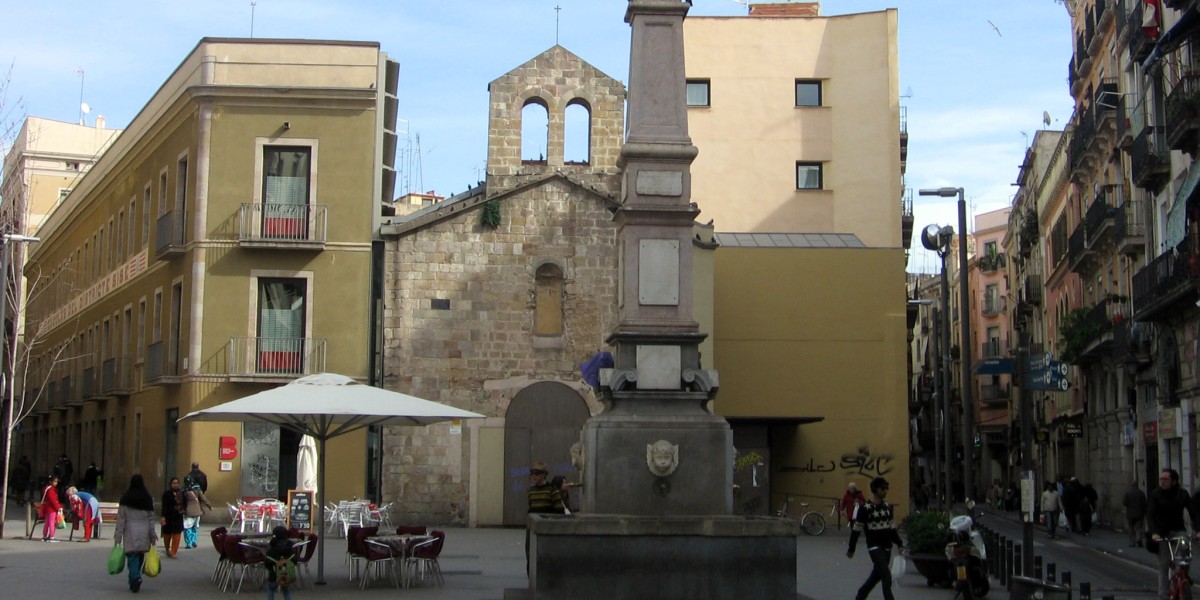
El Raval, in the Ciutat Vella district, is traditionally regarded as the neighbourhood with the highest crime rate in Barcelona. According to reports based on data from the Mossos d’Esquadra and municipal statistics, it records a high volume of complaints related to theft, burglary, squatting and drug trafficking, particularly in its central areas and narrow streets.
The area is characterised by busy boulevards and a lively nightlife. Combined with heavy tourist footfall and a resident population that includes people in socioeconomically vulnerable situations, this has created an environment where opportunistic crime is especially prevalent. El Raval not only tops the figures for reported minor offences, but is also flagged by police for the concentration of crime hotspots in public spaces.
La Mina, a dangerous area in Sant Adrià del Besòs
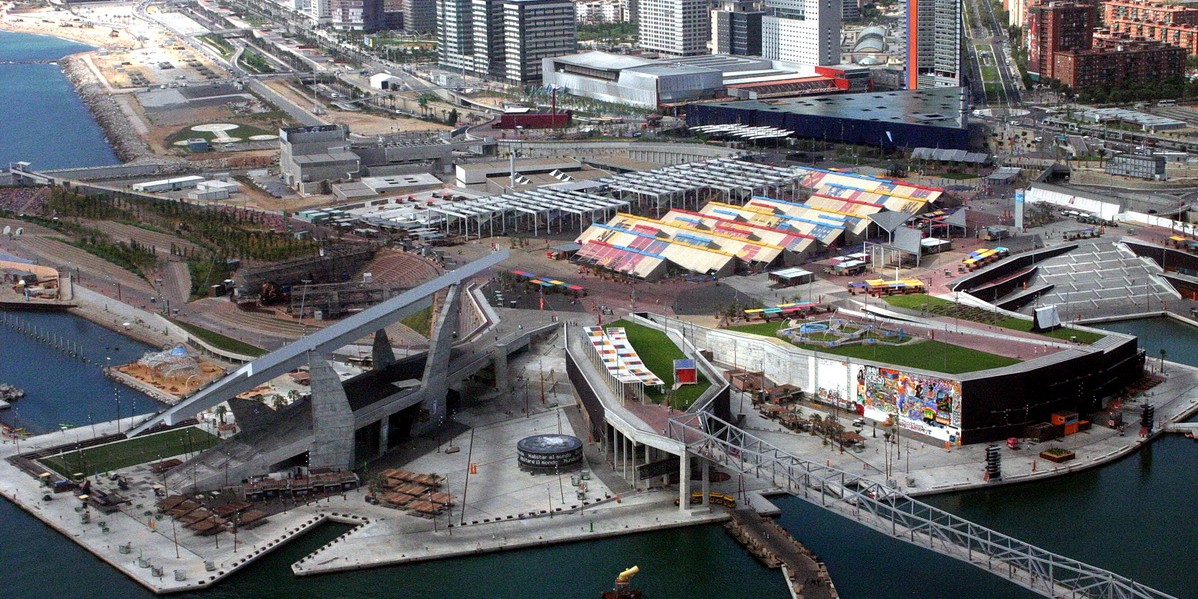
Although it lies outside the city limits of Barcelona, La Mina, in Sant Adrià del Besòs, frequently features in metropolitan security analyses because of its high levels of conflict. Historically shaped by social exclusion and poverty, the area records crime and drug trafficking rates well above the average, prompting repeated police operations to dismantle criminal networks and curb related violence.
Between 2018 and 2022, the Mossos d’Esquadra carried out major investigations in the neighbourhood, seizing around 50 firearms and arresting more than 150 people in operations targeting drug trafficking and violent crime. While the majority of residents are law-abiding, the presence of illicit markets has reinforced a perception of insecurity in the area.
Barceloneta, the third most dangerous neighbourhood in Barcelona
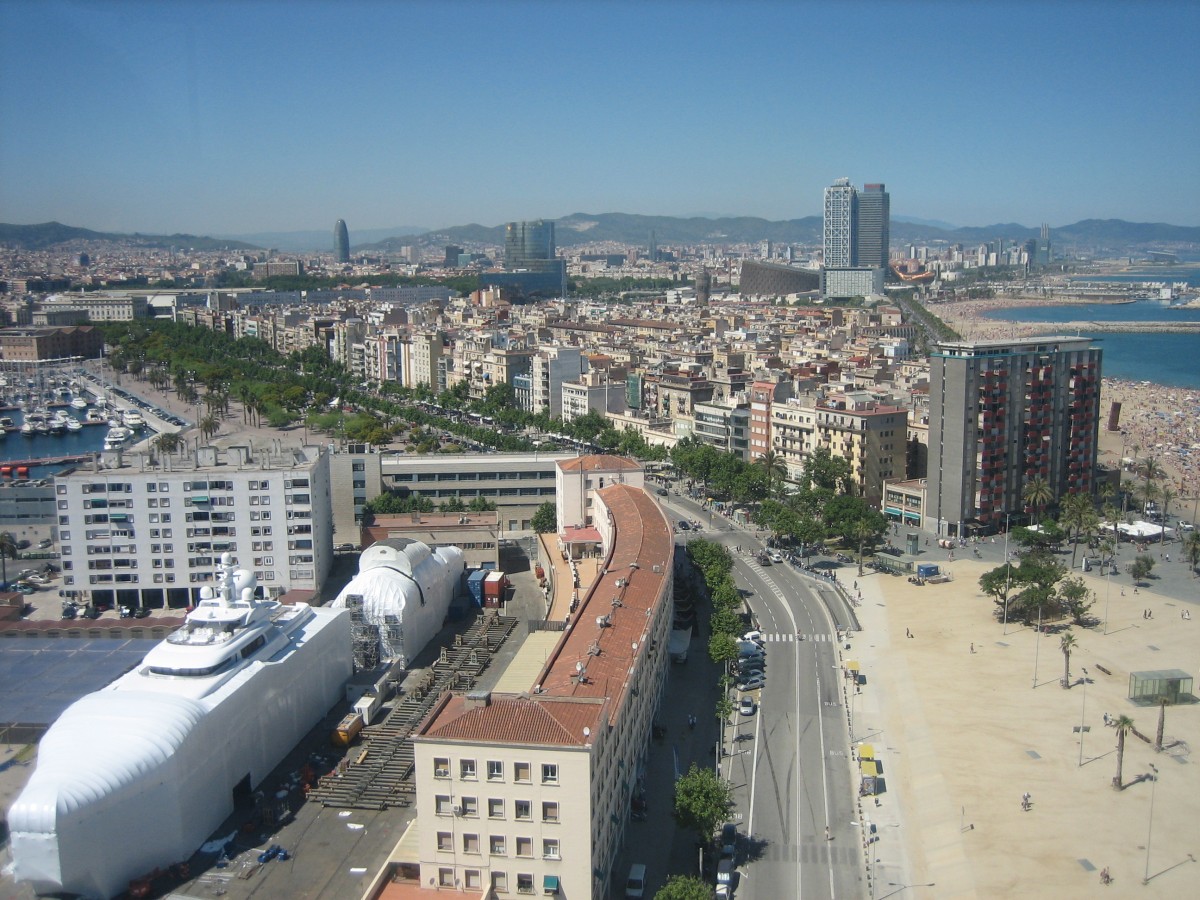
Barceloneta, a traditional seaside neighbourhood in the Ciutat Vella district, ranks among Barcelona’s more problematic areas when night-time incidents are taken into account. According to police data, it records a high proportion of offences between late evening and early morning, particularly robbery and pickpocketing.
The heavy influx of tourists, along with its bars and terraces, contributes to a concentration of incidents which, while rarely violent, can be disruptive, including thefts and occasional scuffles. The volume of night-time complaints places Barceloneta third on the list, although the majority involve minor offences.
Sant Roc, the most dangerous neighbourhood in Badalona
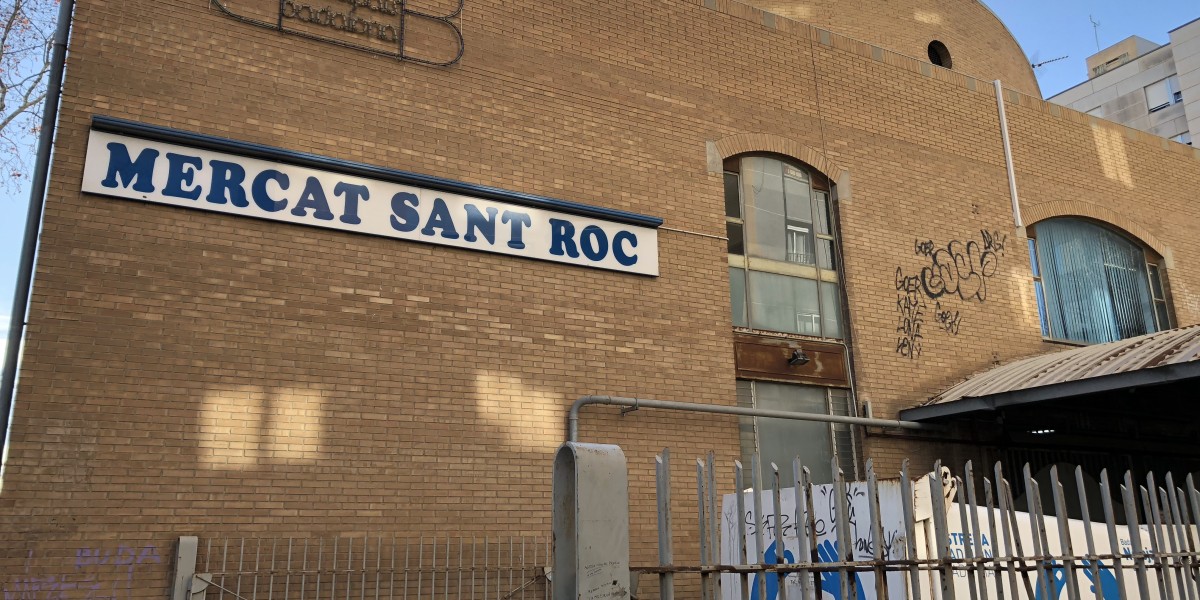
Sant Roc, a neighbourhood bordering Barcelona in the municipality of Badalona, is another hotspot for insecurity in the metropolitan area. Frequently cited by residents and law enforcement as one of the areas with the highest levels of urban crime and social conflict, its situation is closely linked to high unemployment, squatting and drug use in public spaces.
Despite efforts by the local authorities to improve social cohesion, Sant Roc continues to be identified as an area with a higher risk of minor incidents, robberies, thefts and confrontations.
Sant Cosme is one of the most dangerous areas in Barcelona
Sant Cosme, in the municipality of El Prat de Llobregat, appears in numerous security analyses as one of the neighbourhoods with the most persistent crime problems in the Barcelona area. Its history of social vulnerability and public housing has contributed to offences linked to urban marginalisation, although these are not always of a serious nature.
With low per capita income and comparatively limited services, the area has been identified as a hotspot for theft, burglary and drug trafficking, reinforcing a sense of insecurity among residents.
Sant Martí and vandalism
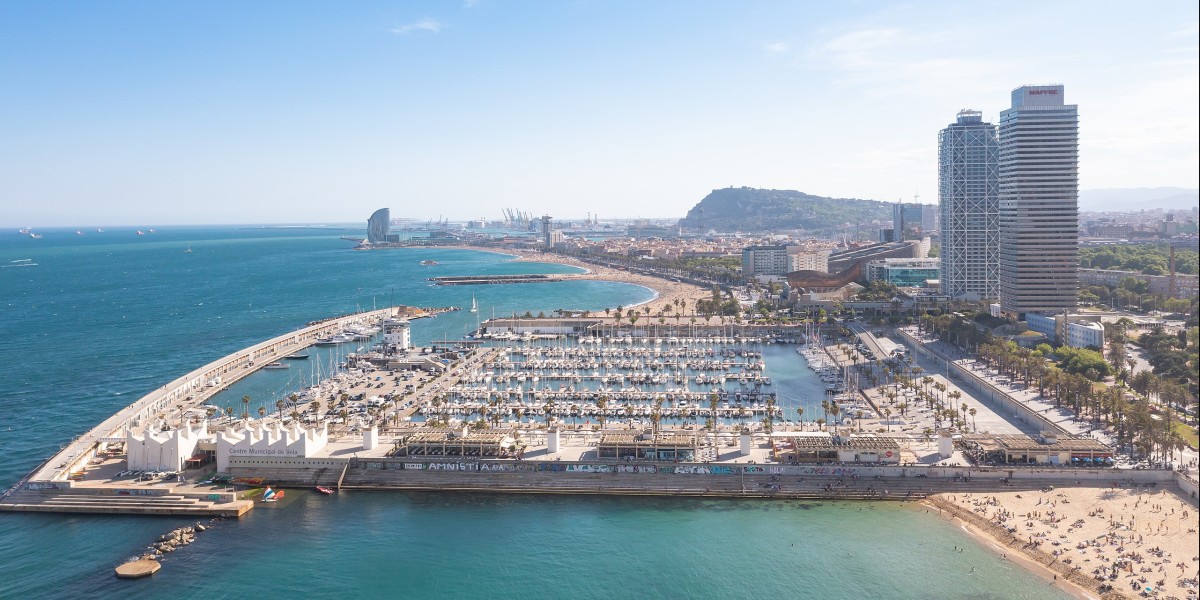
The Sant Martí district, particularly the El Besòs i el Maresme area, records higher-than-average levels of incidents compared with the rest of the city. Reports include not only thefts and robberies but also vandalism and fights that often require police intervention, especially around Rambla Prim and nearby streets.
Recent events, such as a shooting investigated by the Mossos d’Esquadra in August 2025, further highlight the security challenges facing this north-eastern area of Barcelona.
Carmel is among the worst neighbourhoods in Barcelona
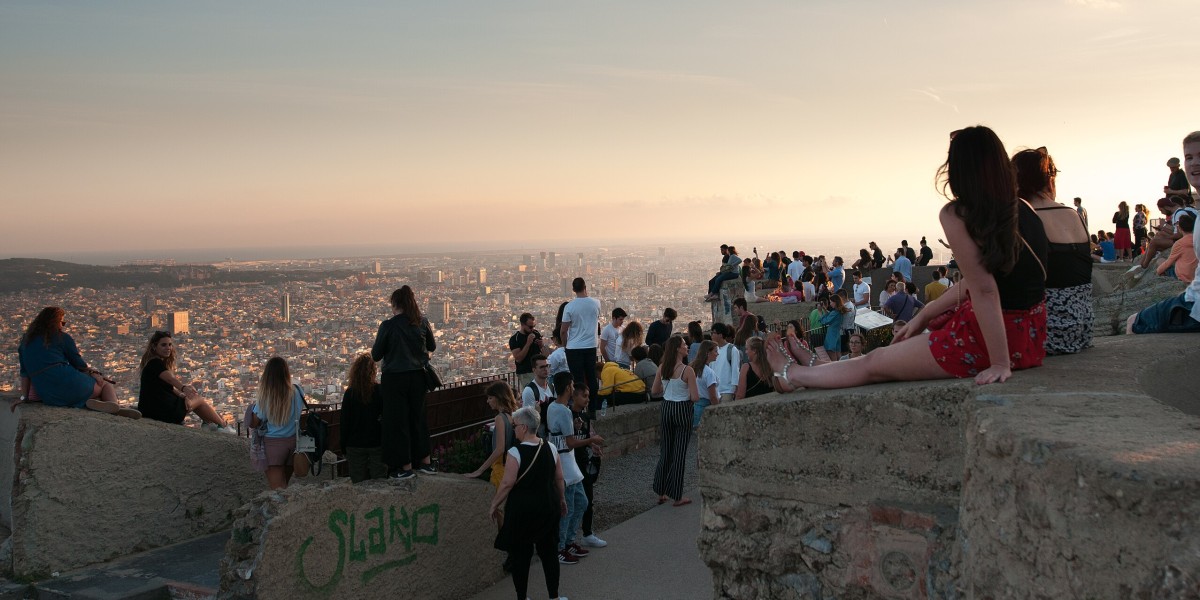
Carmel, in the Horta-Guinardó district, is not always listed in every ranking, but studies of troubled neighbourhoods place it among areas where burglaries in flats and tourist rentals have risen in recent years. A mix of narrow streets, urban inequality and tourism has contributed to the increase in reported thefts and break-ins.
Nou Barris and areas like Verdum or Roquetes
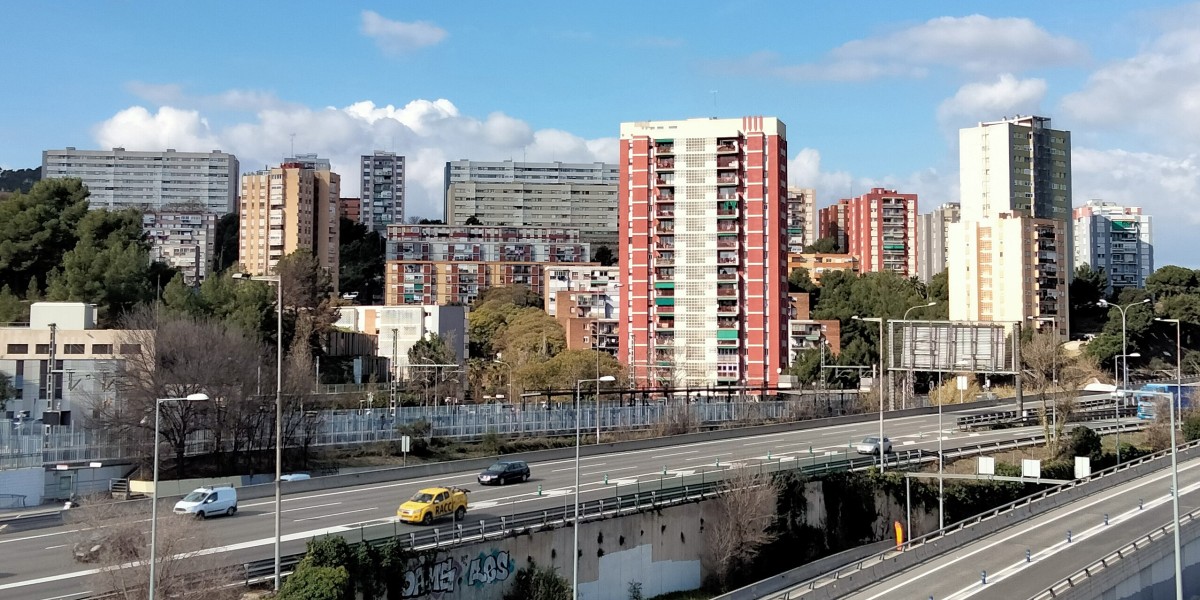
The Nou Barris district, particularly neighbourhoods such as Verdum and Roquetes, features in police analyses and public perceptions as areas with high rates of theft and squatting.
While not considered highly violent, these neighbourhoods are seen as higher risk due to the concentration of reported offences related to property crimes and urban coexistence issues.
The Gothic Quarter, one of the most troubled neighbourhoods in Barcelona
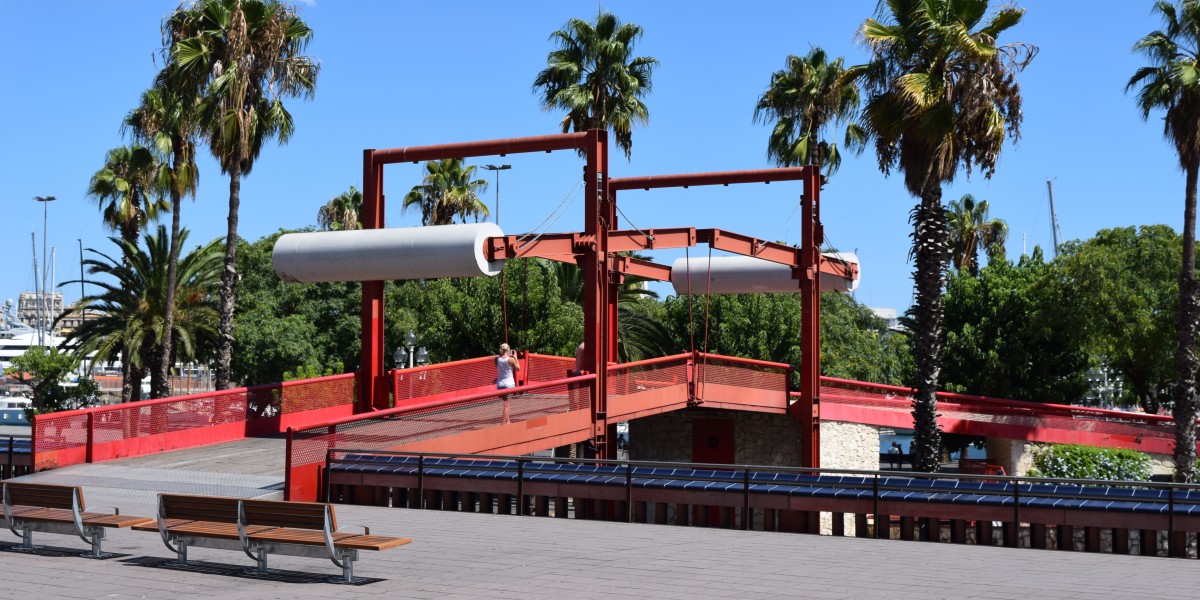
The Gothic Quarter, at the heart of Ciutat Vella, is renowned for its heritage but also for a high incidence of pickpocketing and petty theft, particularly in tourist-heavy areas such as Las Ramblas and surrounding streets.
While most offences are non-violent, the sheer number of complaints about petty thefts and scams targeting visitors means the Gothic Quarter is considered a neighbourhood where extra caution is advised.
The Besòs and the Maresme complete the dangerous areas of Barcelona
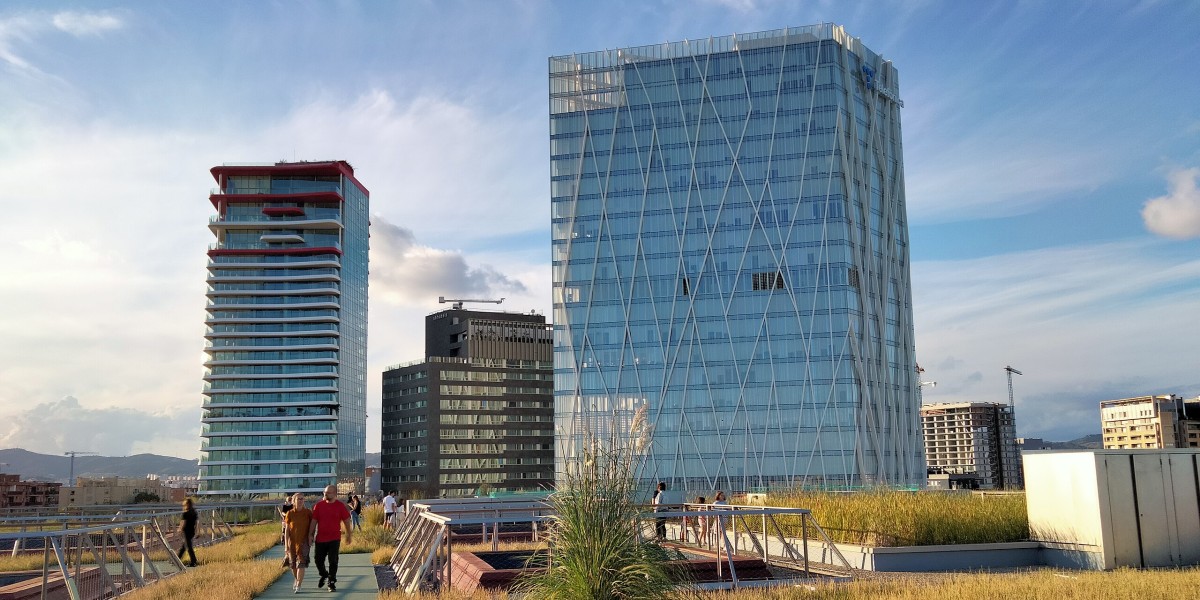
Besòs i el Maresme often appears in rankings of neighbourhoods with the highest rates of minor crimes, squatting and conflicts.
A combination of challenging socioeconomic conditions and high urban mobility contributes to frequent reports of thefts and fights in public spaces.