The best places to celebrate Christmas in Spain range from vast city light displays to smaller towns where the season revolves around mantecados, turrón and living nativity scenes. Vigo, Málaga and Madrid suit a lights-and-late-dinner city break, while Sierra Nevada brings proper winter weather and skiing into the mix. Elsewhere, towns including Estepa, Rute and Jijona put traditional Christmas sweets front and centre.
- Vigo: large-scale Christmas lights in Galicia
- Sierra Nevada: snow sports and festive family days
- Málaga: Christmas lights on Calle Larios
- Barcelona: Catalan Christmas traditions and the Three Kings parade
- Estepa: mantecados, polvorones and seasonal factory shops
- Madrid: markets, lights and Christmas in the capital
- Arcos de la Frontera: a living nativity in Cádiz province
- Rute: chocolate creations and Andalusian Christmas treats
- Jijona: turrón country in Alicante
- Córdoba: belenes, patios and a historic-centre Christmas
- Christmas travel in Spain 2026: lights, long weekends and where people go
Vigo: large-scale Christmas lights in Galicia
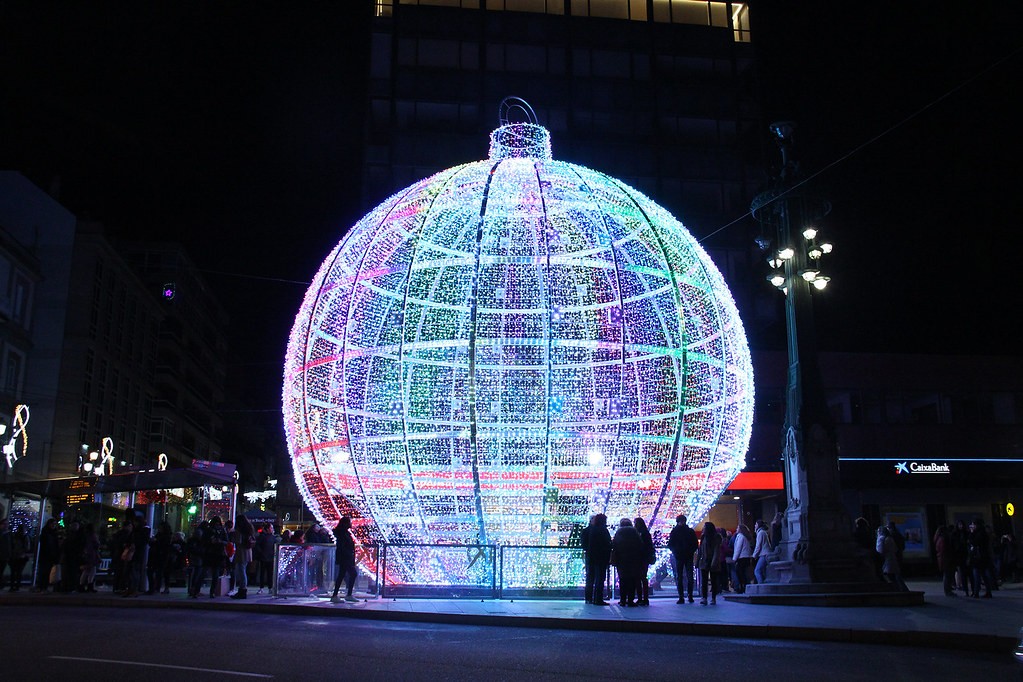
Vigo remains Spain’s top choice for a Christmas break centred on large-scale light displays. The city centres its programme around extensive street illuminations, large decorations, fairground attractions and a busy evening atmosphere in the central shopping streets. The switch-on date for 2026 is 14 November, and expect lights in more than 400 streets.
Sierra Nevada: snow sports and festive family days
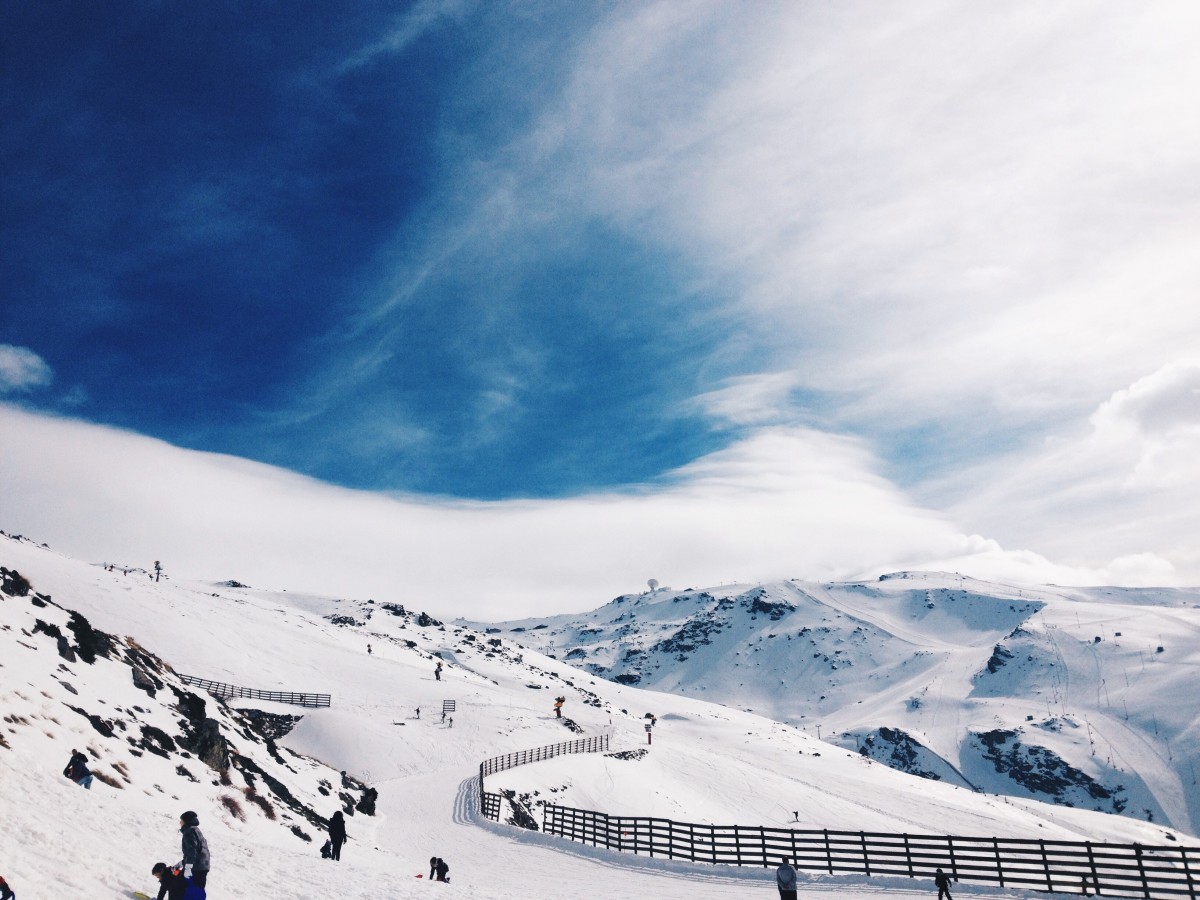
Sierra Nevada, above Granada, is the clear pick for travellers who want skiing or snowboarding as part of a Spanish Christmas break. It is one of the few destinations in the country where festive plans can realistically include mountain snow, ski lifts and high-altitude views.
The resort generally runs family activities over the Christmas and New Year period, while its evening skiing programme depends on snow conditions and the operating calendar. Stay in Pradollano for the simplest ski access, or base yourself in Granada for a lower-cost city-and-mountains combination.
Málaga: Christmas lights on Calle Larios
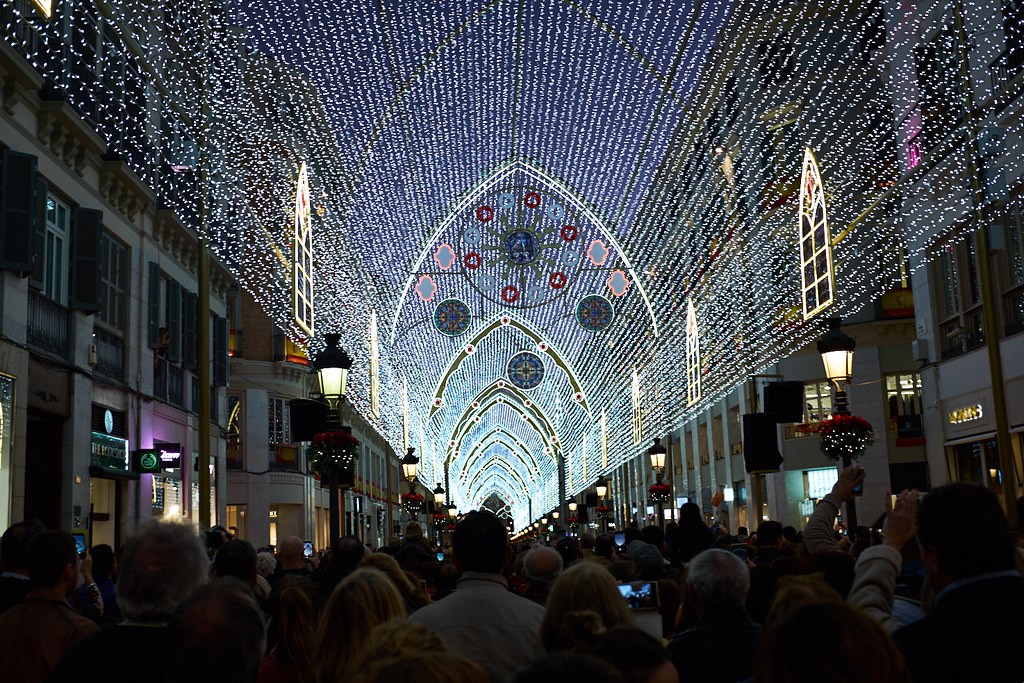
Málaga earns its place for its elaborate central light display, typically focused on Calle Marqués de Larios. The evening sound-and-light show is a familiar seasonal fixture, bringing crowds into the centre well after dusk.
Past programmes have also featured activity around the port, Paseo del Parque and the cathedral. The city’s relatively mild December weather helps, but evenings can still be cool, especially by the sea.
Barcelona: Catalan Christmas traditions and the Three Kings parade
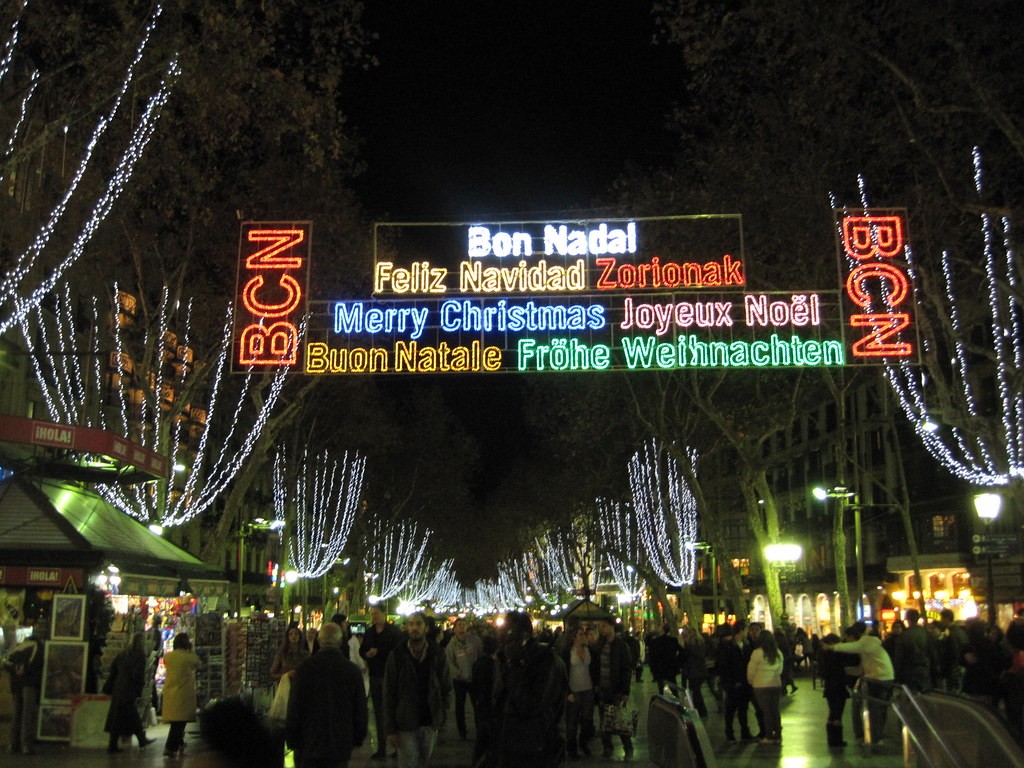
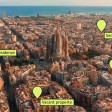
Barcelona brings a distinctly Catalan take on the season. The Fira de Santa Llúcia, traditionally held near the cathedral, is associated with nativity figures, decorations and the small log character Tió de Nadal. The irreverent caganer figure is another local staple, often appearing in nativity stalls in all sorts of contemporary guises.
The city’s major Three Kings parade takes place on the evening of 5 January, when the Reis d’Orient arrive to a large public welcome. It is a major date for local families, and the route is typically very crowded.
Estepa: mantecados, polvorones and seasonal factory shops
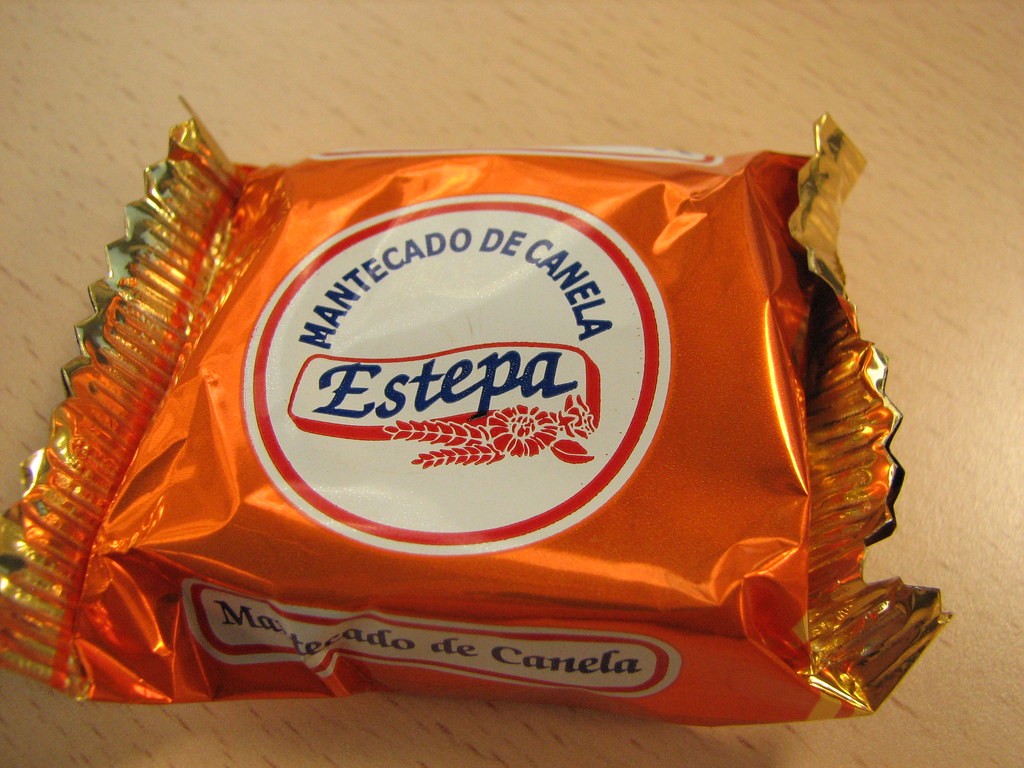
Estepa, in the province of Seville, is closely tied to the production of mantecados and polvorones, two classic Spanish Christmas sweets. The town’s bakeries and factory shops make it a food-led stop rather than a conventional city-break destination.
Its Christmas season often starts early, with lights, tastings and sweet-related displays appearing weeks ahead of December. The Museo del Mantecado provides useful background on the industry and local recipes, while some producers create large edible displays using chocolate, sugar and marzipan.
Madrid: markets, lights and Christmas in the capital
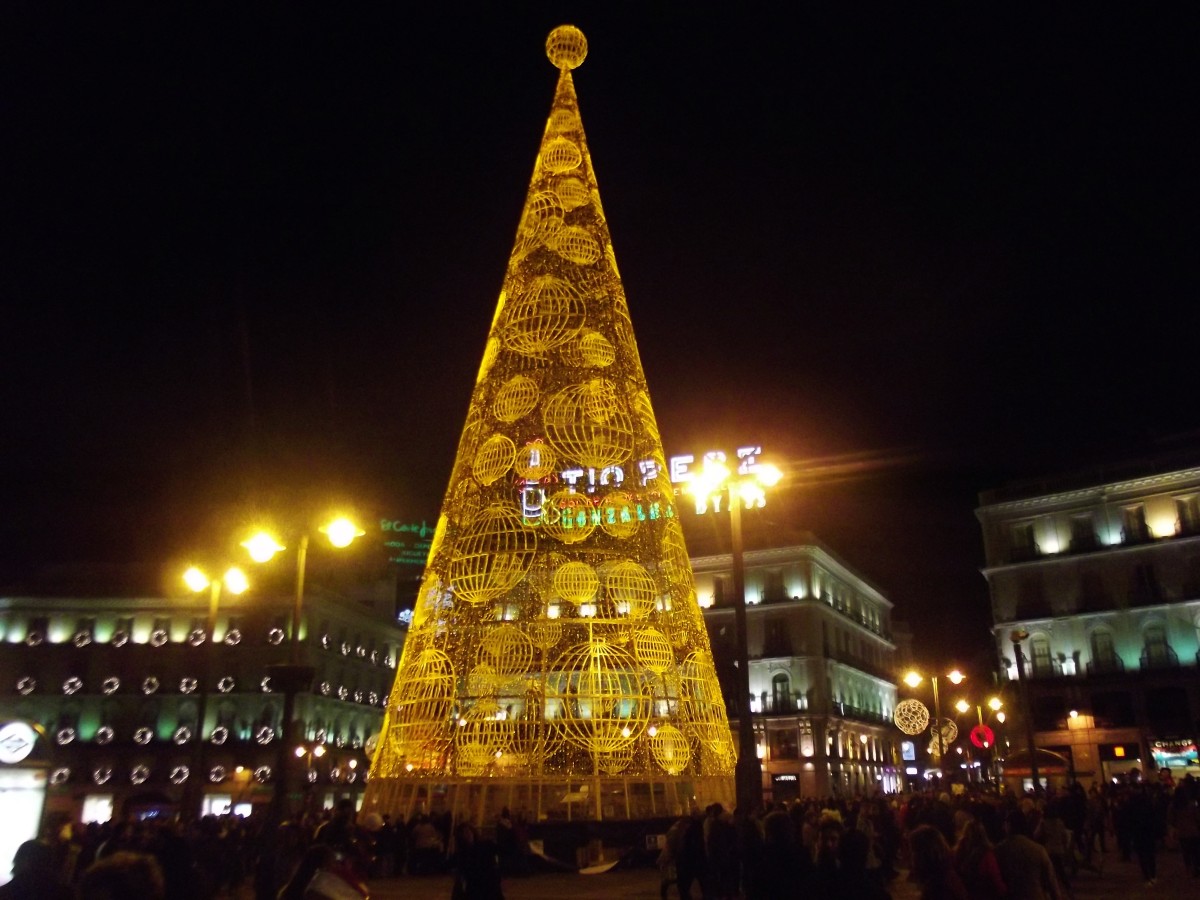
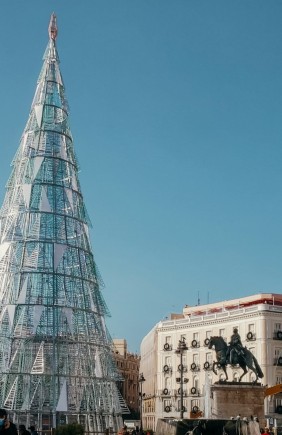
Madrid is one of the best places to spend Christmas in Spain for a full-scale city break. The central lighting programme, Puerta del Sol tree and Plaza Mayor market give the city a clear festive focus, while neighbourhoods beyond the centre have their own street decorations and seasonal events.
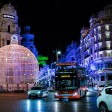
The Naviluz Christmas bus is a popular way to see the lights, and a late-night stop for churros con chocolate at Chocolatería San Ginés fits naturally into an evening in the old centre.
Arcos de la Frontera: a living nativity in Cádiz province
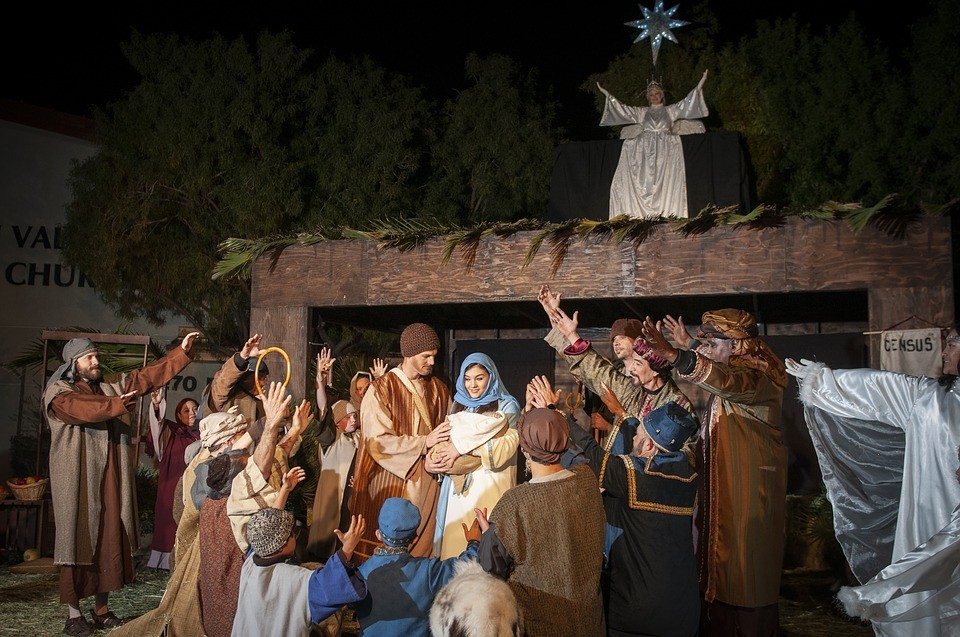
Arcos de la Frontera has a long-running Belén Viviente, or living nativity, that uses the old town’s steep lanes and whitewashed setting as a backdrop. Residents take part in scenes depicting biblical life and traditional crafts, creating a very different experience from a conventional Christmas market.
The event normally takes place on 12 December 2026 from 6 pm and attracts large crowds. The historic centre has narrow, sloping streets, so sturdy shoes are a sensible choice.
Rute: chocolate creations and Andalusian Christmas treats
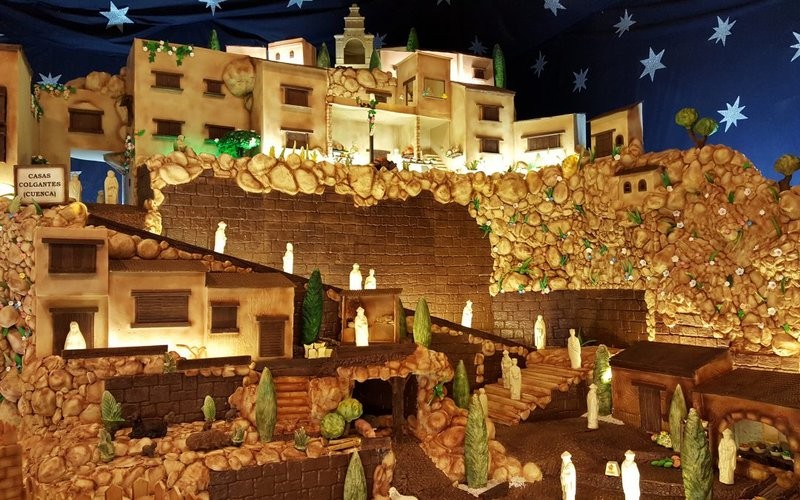
Rute, in Córdoba province, is another solid choice for travellers with a serious sweet tooth. The town’s seasonal programme has long included large chocolate creations and displays, alongside local producers of mantecados, anise liqueur and other festive treats.
The chocolate nativity associated with Galleros Artesanos is the main draw, although its annual scale, opening period and entry conditions should be checked for 2026. The Museo del Anís adds a second food-and-drink stop, giving the town enough interest for a half-day or day trip.
Jijona: turrón country in Alicante
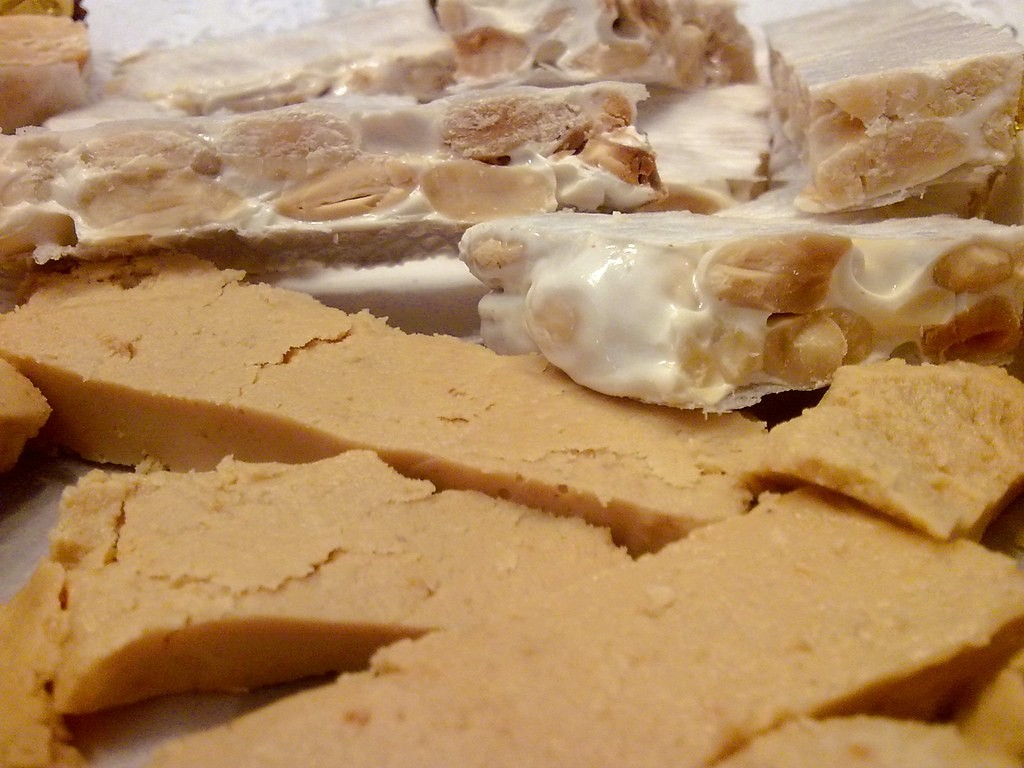
Jijona, also written Xixona in Valencian, is the natural stop for anyone curious about turrón. The almond-and-honey nougat is a fixture of Spanish Christmas tables, and the town’s producers have shaped its identity for generations.
The annual Christmas fair usually takes place around the December public-holiday weekend, bringing together nougat makers and other food stalls. The Museo del Turrón is worth checking for opening hours if a deeper look at the local industry is on the cards.
Córdoba: belenes, patios and a historic-centre Christmas

Córdoba is a quieter alternative to Madrid, Barcelona and Málaga, with a compact historic centre that works well for a December weekend. The city usually has a programme of belenes, seasonal lights and market stalls, often centred on the main squares and cultural buildings.
Plaza de las Tendillas is commonly part of the festive programme, but market dates, the number of stalls and performance schedules vary by year.
Christmas travel in Spain 2026: lights, long weekends and where people go
Spain’s festive season really gets moving around the December long weekend. Expect busier trains, pricier hotels and packed old towns, especially in bigger cities. Unsurprisingly, Madrid is the most popular destination in Spain at Christmas. However, it is followed closely by the Canary Islands, which are a popular choice for those seeking Spanish winter sun.
If you’re chasing sparkle, plan your Christmas holiday around the best Christmas lights in Spain. And check Spain's Christmas traditions before setting off, so you're not met with festive events or rituals that take you by surprise.
Explore more about Christmas in Spain and stay inspired for your travels with our weekly newsletter for the latest travel, legal, and lifestyle news.