Although Seville is one of Spain’s most visited cities, renowned for its history, heritage and culture, certain areas record higher crime levels than others.
According to data from the Police and the Ministry of the Interior, some neighbourhoods report significantly more incidents than the city average, including robbery, theft, assault and squatting. Below are the areas with the highest concentration of reported incidents in Seville.
Las 3,000 Viviendas
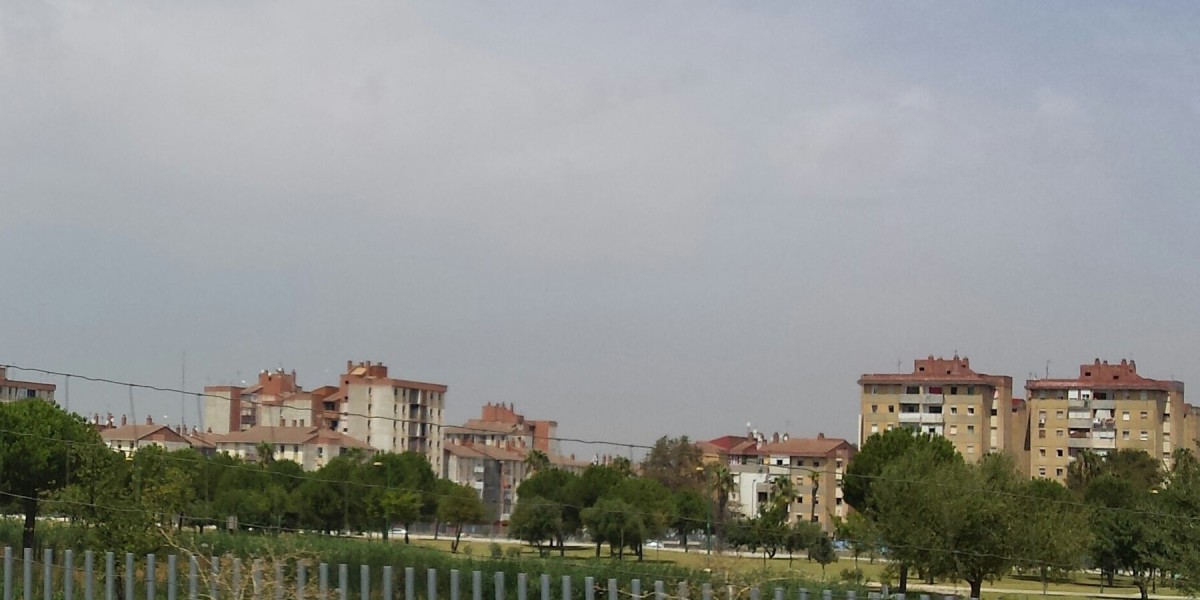
Las 3,000 Viviendas neighbourhood, also known as Polígono Sur, is widely regarded as the most problematic area in Seville. According to police data, it records a high number of reported thefts, violent robberies, drug trafficking offences and acts of vandalism, with figures well above those of other parts of the city.
The area faces significant social challenges, including high unemployment, social exclusion and a lack of infrastructure, which contribute to elevated levels of criminal activity. Although many offences are non-violent, the sheer volume of incidents makes it one of Seville’s main crime hotspots.
Los Pajaritos
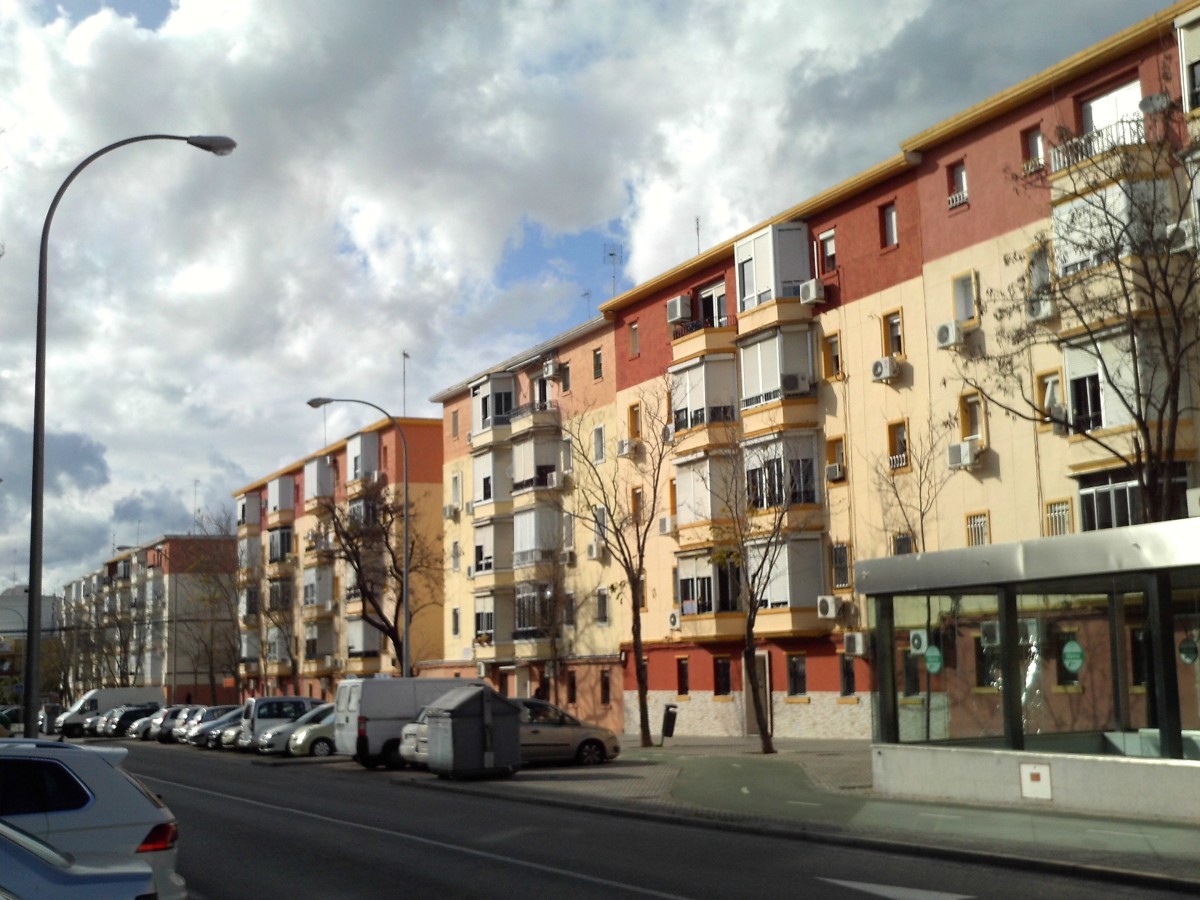
In Los Pajaritos, statistics show one of the highest rates of street theft and petty crime in the city, particularly in areas with heavy pedestrian traffic.
The neighbourhood also faces challenges linked to socioeconomic inequality, including lower employment levels and limited access to services that support community integration.
Torreblanca
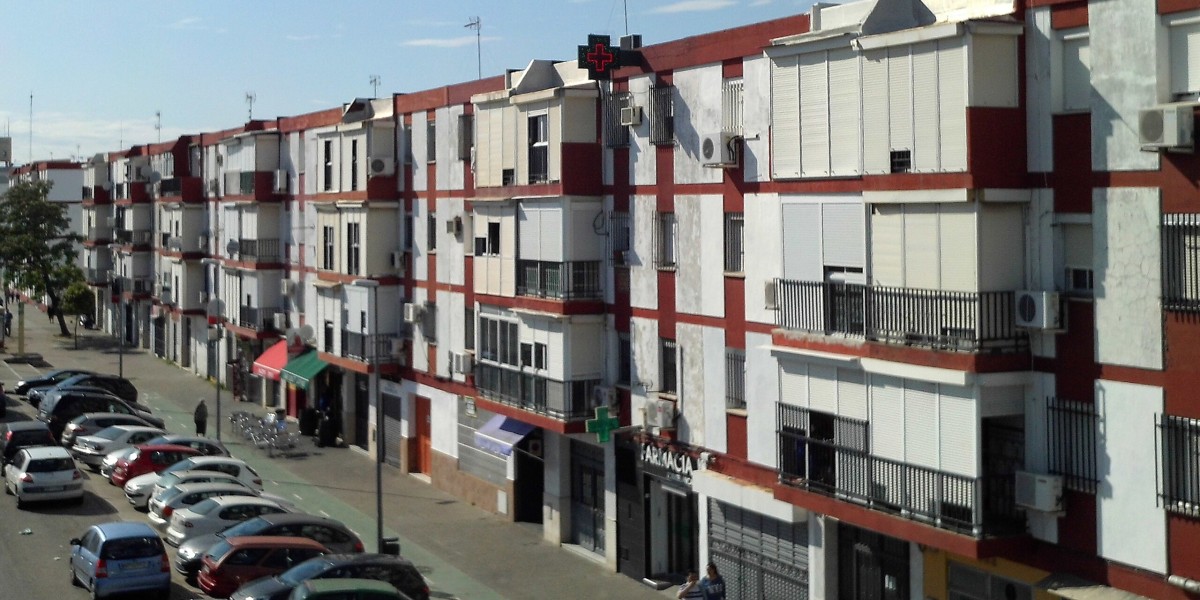
Torreblanca, located to the east of Seville, ranks third on the list. Local police records show a high concentration of burglaries, thefts and vandalism, particularly in its more densely built-up areas. This means it is not one of the most desirable neighbourhoods in the city in terms of safety.
The growing perception of insecurity is also linked to increased urban mobility among residents and visitors, which creates more opportunities for opportunistic crime.
Macarena
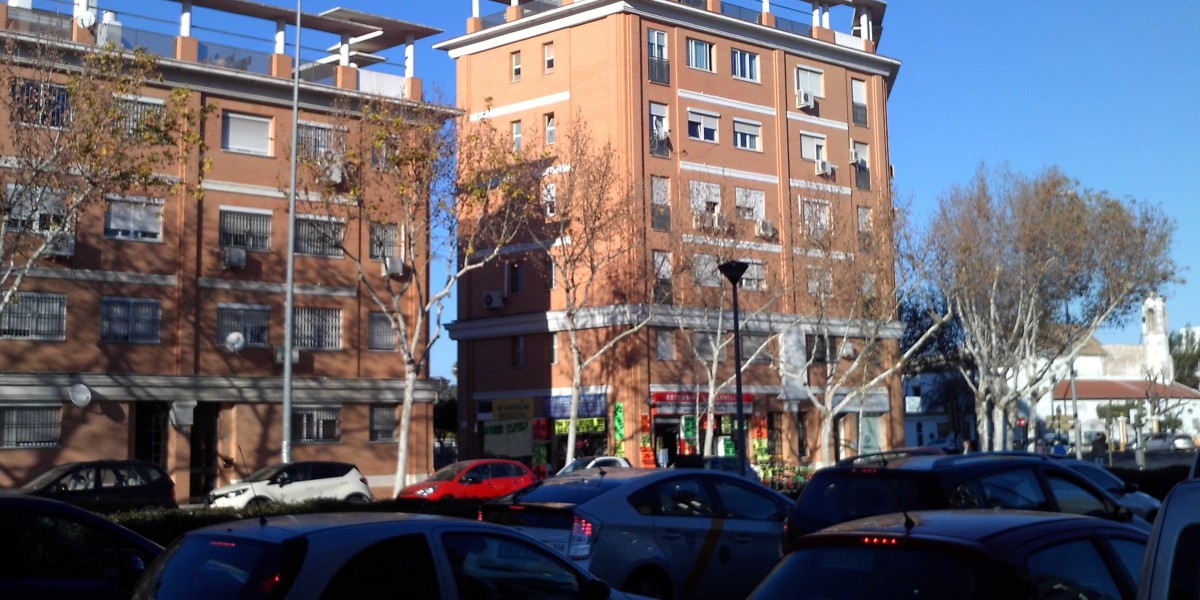
Macarena Norte, located to the north of the Macarena district, has been identified as one of the areas where a significant number of thefts, assaults in public places and cases of drug trafficking are concentrated.
In addition, the coexistence of residential with nightlife areas means that some incidents of violence and social conflict lead to frequent police interventions. Local authorities have stepped up surveillance operations and launched community outreach initiatives in an effort to reduce these figures and improve residents’ sense of security.
El Vacie
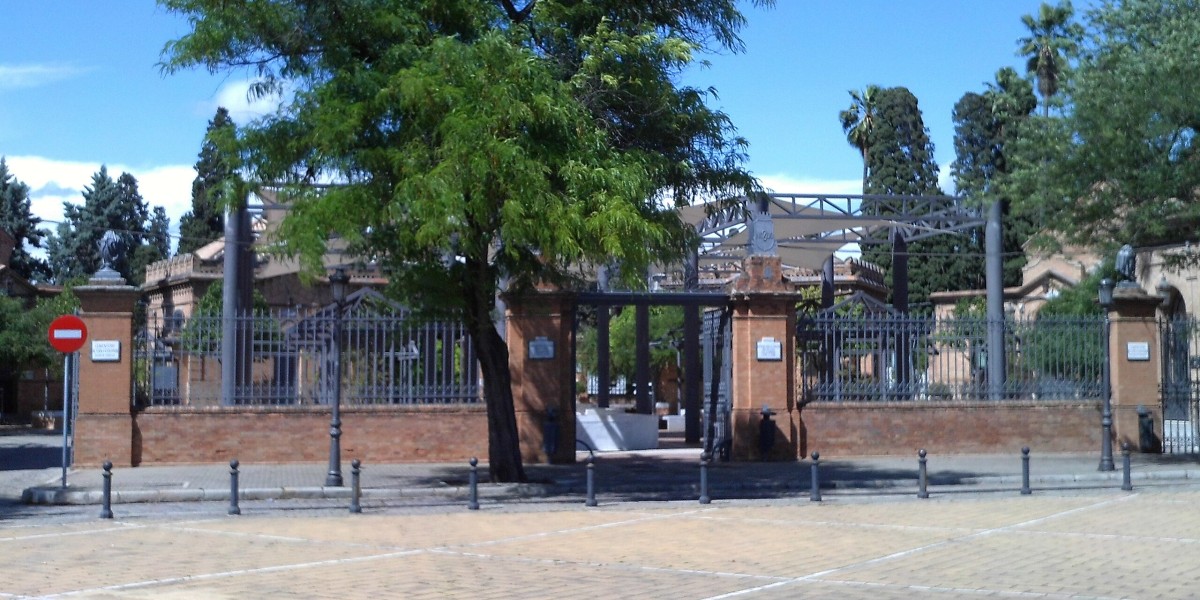
El Vacie, though less familiar to many visitors, is a neighbourhood facing social exclusion issues and records concerning levels of crime. Data indicate that robberies, thefts and acts of vandalism occur here more frequently than in other areas with higher socioeconomic status.
A mix of older housing stock, limited access to essential services, and a weak local economy contributes to this situation. Although not one of the largest districts by area, the per capita crime rate is notably high.
La Candelaria and La Plata
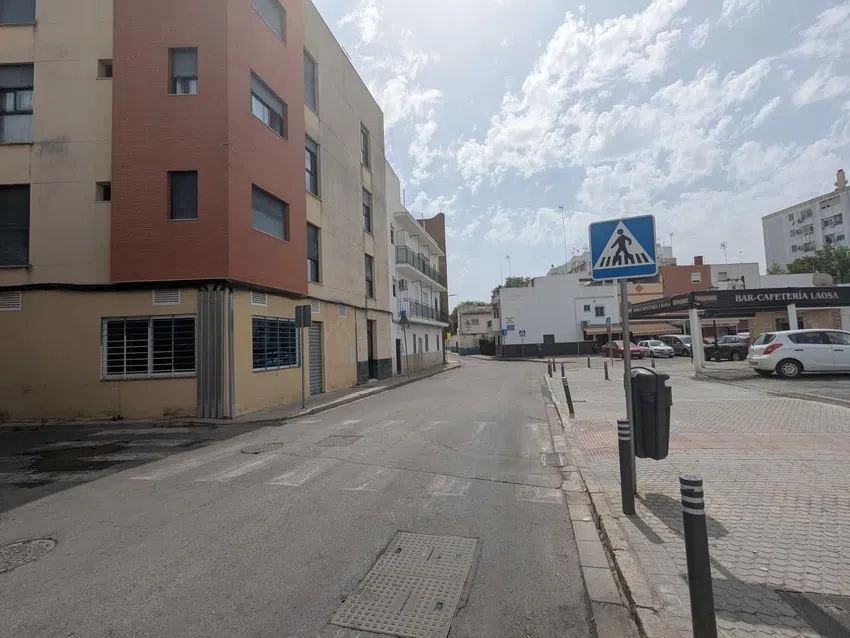
The neighbourhoods of La Candelaria and La Plata, located in the southeastern part of Seville, have been identified as areas where thefts, street robberies and nighttime disturbances occur relatively frequently.
These districts developed without full integration into Seville’s traditional urban fabric, resulting in coexistence challenges and a limited presence of public services and formal economic activity. This environment has contributed to the concentration of minor crimes, impacting residents’ perception of safety.
El Cerezo
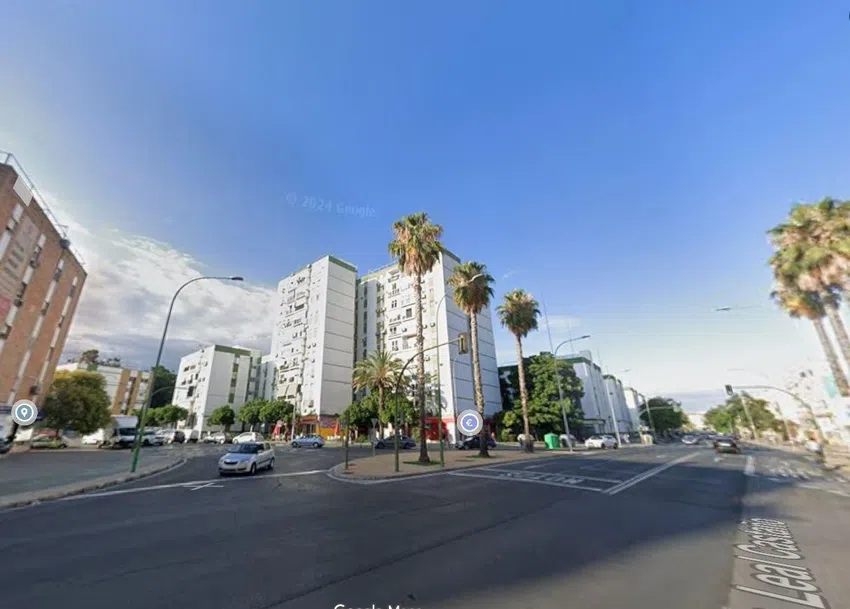
El Cerezo, situated in the north of Seville, is also among the neighbourhoods with the highest number of reported burglaries and thefts. Police data show that certain streets and times of day experience particularly high peaks in criminal activity, making it a focus for prevention efforts.
The area has been subject to intensified police surveillance and control campaigns, particularly around lower-income residential zones, where limited community cohesion can contribute to the emergence of criminal behaviour.
Santa Isabel
In Santa Isabel, located in the southern district of Seville, property-related crime is the most prevalent. Repeated incidents of theft and damage, along with neighbourhood disputes requiring police intervention, dominate the local statistics.
Authorities note that residents’ perception of insecurity is shaped by the area’s proximity to zones with heavy foot traffic and by the recurrence of vandalism.
Padre Pío
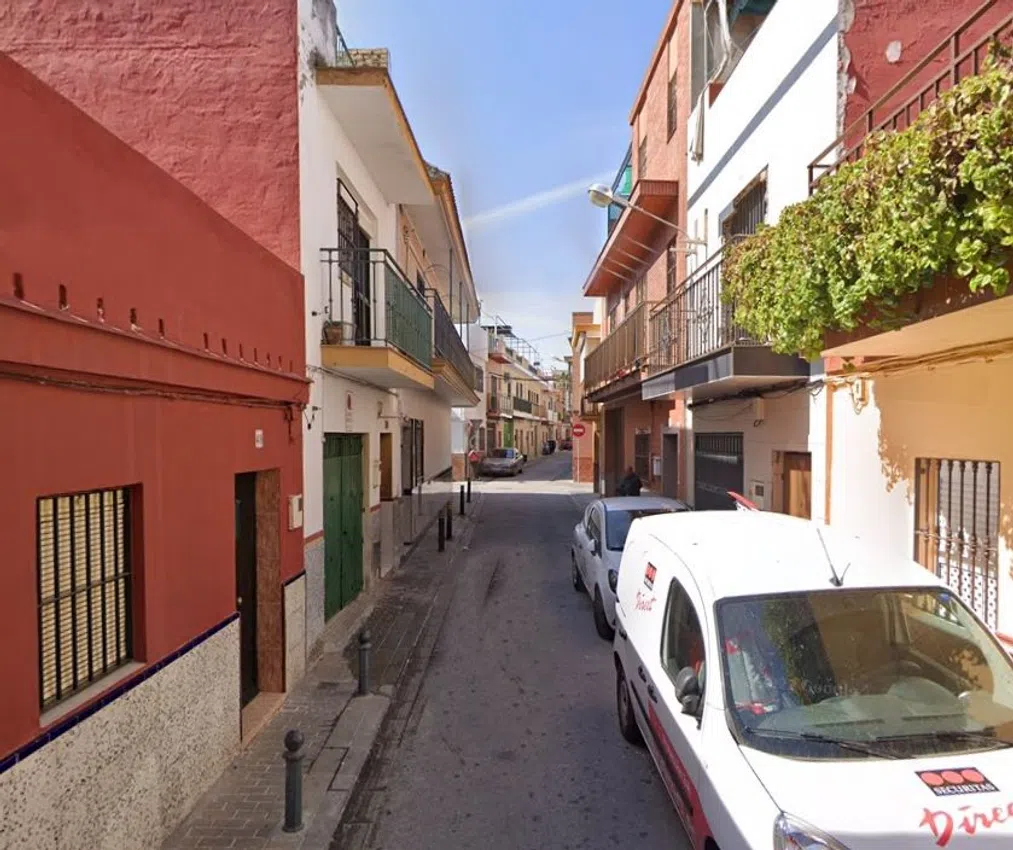
The Padre Pío neighbourhood, on the outskirts of Seville, completes the ranking. While it does not reach the levels seen in Las 3,000 Viviendas or Los Pajaritos, it still records a high number of burglaries and street thefts, particularly in poorly lit areas with low nighttime activity.
A limited presence of public services and a sense of isolation contribute to the concentration of minor crimes. In response, authorities have increased patrols and worked closely with neighbourhood associations to address the issue through community-focused measures.
Palmete
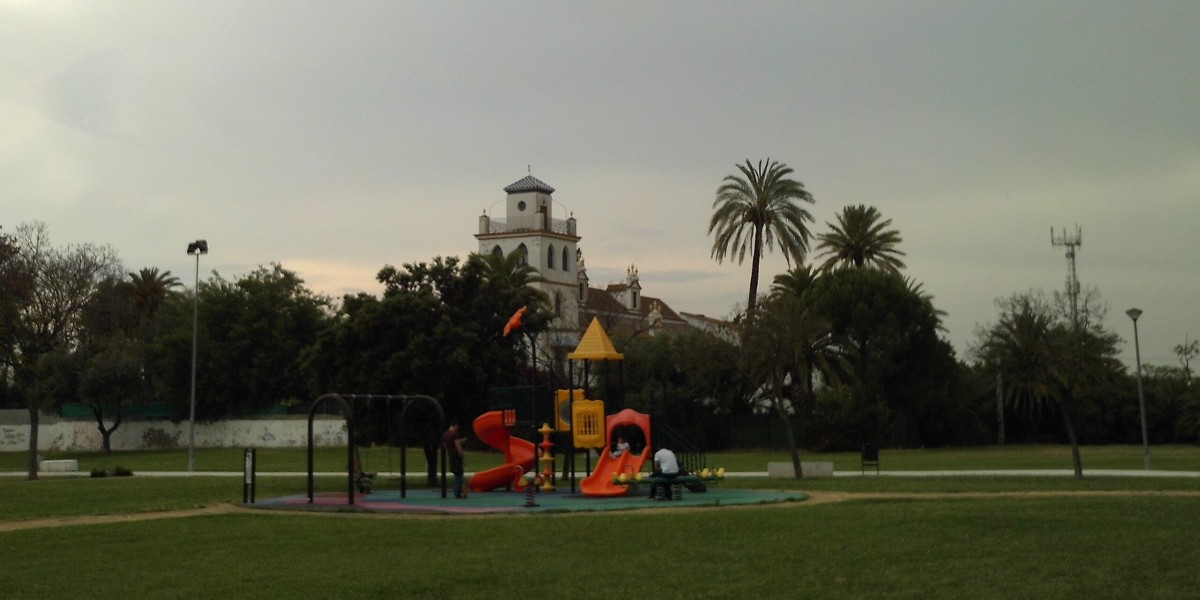
Finally, Palmete, situated in the south of the city, is identified as a neighbourhood with persistent issues of theft, robbery and squatting, reflecting underlying socioeconomic challenges and urban management difficulties.
The mix of social housing, limited access to services and a population with lower purchasing power contributes to its position as the final area on this list.