The kiosk at Paseo de las Acacias 37, in Madrid’s Arganzuela district, reopened on 12 January – but not as just another small business. Behind the counter, there are not only newspapers, coffee and magazines – there are second chances.
The initiative is led by Javier Cascón, known for buying and managing several flats in Madrid for homeless people. He is now taking another step in his social project – creating real employment opportunities for those who face the greatest barriers.
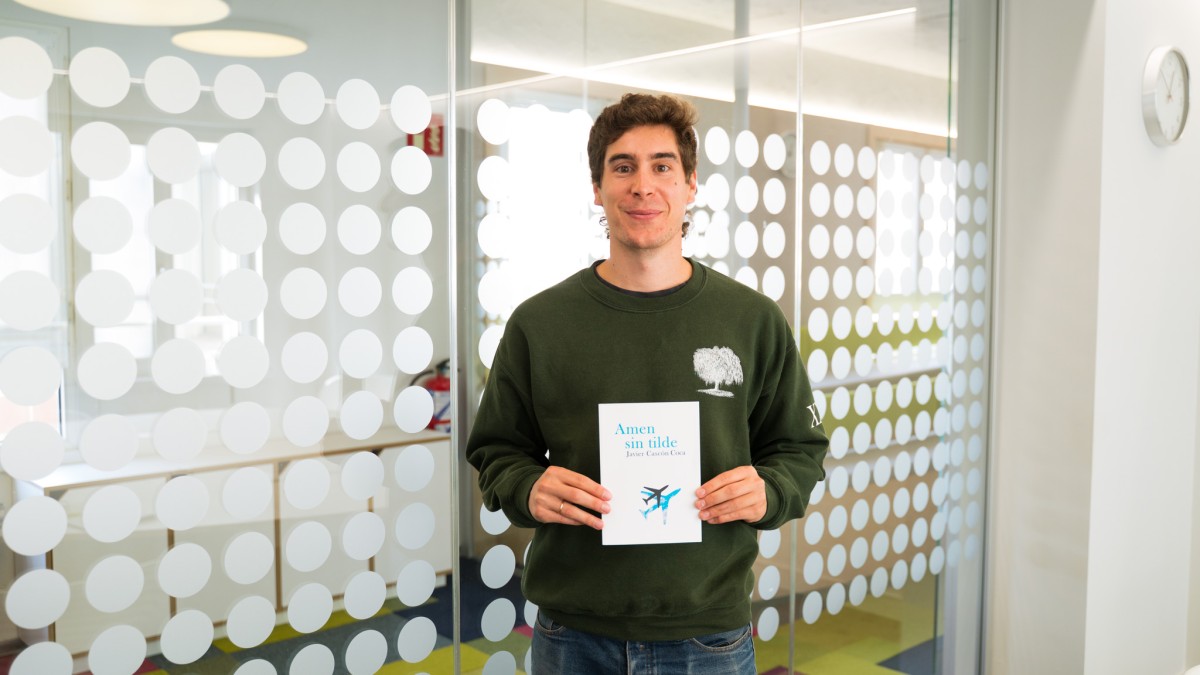
For years, Javier and his wife, María Nandwani Aragoneses, have run the Amén sin tilde project, through which they have set up four flats for homeless people. It is not simply about providing accommodation – but about supporting residents as they rebuild their lives.
Over time, Javier identified a key issue: having a home is essential, yet without a stable income, social exclusion can become chronic. The solution was clear – create jobs on a small scale, rooted in the neighbourhood and the local community.
A kiosk as a tool for inclusion
This is how the community kiosk came to be – run by four people and launched with an initial investment of €11,000. The funds came from a close friend, Jesús, and the salaries of Javier and his wife.
“There are no big investors or grants behind this,” Javier says. “Just people who believe it is worth doing.” The kiosk is not a one-off experiment – it is a sustainable project aimed at providing meaningful employment for people at risk of social exclusion, many of whom have previously lived in shelters.

The kiosk is part of Somos Talita, a community led by Marta Corcuera and Jesús García Melgar, made up of young people determined to “put love into action” by serving those who suffer – in prisons, hospitals, on the streets or in situations of neglect.
Javier’s inspiration is summed up in a biblical quote he often shares: “Truly I tell you, whatever you did for one of the least of these brothers and sisters of mine, you did for me.” This philosophy guides both the kiosk and the shelters – stepping away from paternalism, and embracing closeness, responsibility and dignity.

A small project with real impact
Since reopening, the kiosk has become a neighbourhood meeting point and a symbol that inclusion is built in everyday life – through a coffee, a conversation or a job that restores self-esteem.
For Javier, the journey makes sense for exactly that reason: first, it was providing a roof, now it is offering work, and tomorrow, perhaps, creating new spaces where people stop being “users” and become the protagonists of their own lives once more.