Moving to Spain with pets in 2026 is perfectly doable, but it’s one of those things that rewards organisation. The rules are clear, paperwork matters, and timing is everything. Get it right and your pet can settle into Spanish life without drama. Get it wrong, and you risk delays, fines or refused entry.
Spain pet import rules in 2026: the essentials

Spain follows EU-wide pet travel regulations. The requirements depend on where you’re travelling from, but the basics are consistent.
Microchip
All dogs, cats and ferrets must have an ISO 11784/11785 compliant 15-digit microchip. The microchip must be implanted before the rabies vaccination. If it isn’t, the vaccine won’t be valid for travel. If your pet has a non-ISO chip, you’ll need to carry a compatible scanner.
Rabies vaccination
A valid rabies vaccination is mandatory.
- It must be administered after microchipping.
- You must wait 21 days after the primary vaccination before travel.
- Boosters must be kept up to date without lapsing.
For some non-EU countries, a rabies titre (blood) test is required.
Pet passport or Health Certificate
Your documentation depends on where you’re coming from:
- EU countries and Northern Ireland: A valid EU Pet Passport is sufficient.
- UK: An Animal Health Certificate (AHC) issued by an authorised vet within 10 days of travel is required. UK-issued pet passports are no longer valid for entry into Spain.
- USA and other non-EU countries: An official EU Health Certificate completed by an accredited vet is required.
Always check current classification of your departure country, as rabies status categories can change.
Entering Spain
Pets must enter via an approved EU traveller’s point of entry (major airports and some ports). You may need to present documentation to customs, submit a declaration form and allow a documentary or identity check.
Maximum number of pets
You can bring up to five pets per person for non-commercial purposes. More than five is only allowed if you’re attending a competition or sporting event, and you can provide written proof.
Step-by-step: relocating to Spain with your pet

Moving your dog to Spain is straightforward if you follow the process closely and keep your documents organised.
1. Check your country’s status
Confirm whether your departure country requires a rabies titre test.
2. Microchip first
Ensure the chip is ISO compliant and implanted before vaccination.

3. Arrange documentation
EU Pet Passport (EU residents), Animal Health Certificate (UK) or EU Health Certificate with official endorsement (US and others).
4. Book compliant travel
Flying: Small dogs may travel in the cabin (airline dependent), and larger dogs travel in the hold in an IATA-approved crate. Airlines have specific crate size and weight rules.
Driving: Ensure all transit countries recognise your documentation.
Ferry: Routes such as those from the UK to northern Spain provide kennels or pet cabins. Documentation is checked at boarding.
5. Arrival and local registration
Once in Spain, some autonomous communities require registration in a regional pet database and at your local council. Registration rules vary depending on where you settle.
How much does it cost to move a dog to Spain in 2026?
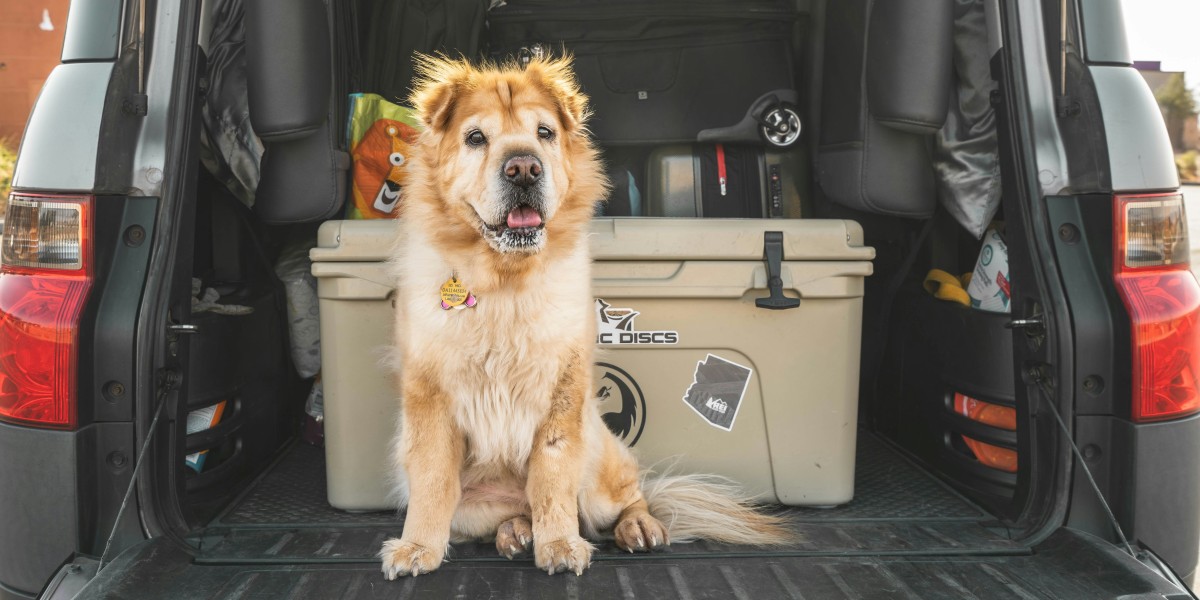
Moving your dog is definitely not free—costs vary by route and pet’s size, but you can expect to pay around €3,500 for the whole relocation.
- Microchip: €30–€70
- Rabies vaccine: €30–€60
- Rabies titre test (if required): €80–€150
- Animal Health Certificate (UK): €120–€300
- USDA endorsement (US): variable, often $38–$121 per certificate
- Air transport: €60–€200 in cabin, €300–€900 in hold
- IATA crate: €50–€250
Living in Spain with pets: what expats need to know

Spain is generally dog-friendly, but the practicalities matter.
Registering your pet locally
Most regions require dogs to be registered in a regional database. Some municipalities also require registration at the town hall and a small annual dog ownership tax.
Spain’s Animal Welfare Law
Spain’s Ley de Bienestar Animal, or Animal Welfare Act, remains in force in 2026. Key points affecting expats:
- Mandatory civil liability insurance for dog owners
- A required free online training course for dog owners
- Stronger penalties for abandonment or mistreatment
- Prohibition on leaving dogs tied up unattended outside shops.
Getting set up with a vet and pet healthcare
Vet care in Spain is generally good and reasonably priced.
Typical costs:
- Standard consultation: €30–€60
- Annual boosters: €40–€70
- Pet insurance: roughly €15–€40 per month, depending on coverage

Pet-friendly culture and public spaces
Dogs are common in Spanish parks and on café terraces.
However, leads are usually required in urban areas and fines for not cleaning up after your dog are enforced. Many beaches prohibit dogs during the summer months. Look for designated playas para perros (dog-friendly beaches), especially in coastal cities.
Renting in Spain with pets

This is often the trickiest part of moving to Spain with a pet. Not all landlords accept animals, and Spanish rental contracts frequently include explicit pet clauses. Look for listings stating “se admiten mascotas”.
Even then, the community building rules may override landlord permission. Plus, an additional deposit is common, and some landlords request references.
In larger cities such as Madrid, Barcelona, Valencia and Málaga, pet-friendly rentals exist, but competition can be strong.
- Pet-friendly apartments for rent in Madrid
- Pet-friendly apartments for rent in Barcelona
- Pet-friendly apartments for rent in Valencia
Stay in the know about living in Spain as a foreigner—get our weekly newsletter for the latest travel, legal, and lifestyle news.
For a taste of the high life, sign up for the monthly luxury market round-up.