Menorca is the second-largest island in the Balearic archipelago and one of Spain’s most environmentally valuable destinations. Located in the western Mediterranean, it stands out for its traditions, rich historical heritage and protected natural environment, recognised as a Biosphere Reserve. Its relatively small size has also shaped its demographic evolution over time – offering a distinct perspective on population trends. Discover Menorca’s population based on the latest census data.
How many inhabitants does Menorca have?
According to the most recent census from the Spanish Statistics Institute (INE) for 2025, Menorca has 102,821 inhabitants – making it the third most populated island in the Balearic Islands, behind Mallorca and Ibiza (164,265), and ahead of Formentera.
Within the wider Spanish island context, it ranks below Fuerteventura and Lanzarote, and above La Palma. Its population is comparable to mainland cities such as Cádiz, Santiago de Compostela and Lugo – highlighting its moderate size despite a significant level of tourism.
Which is the most populated city in Menorca?
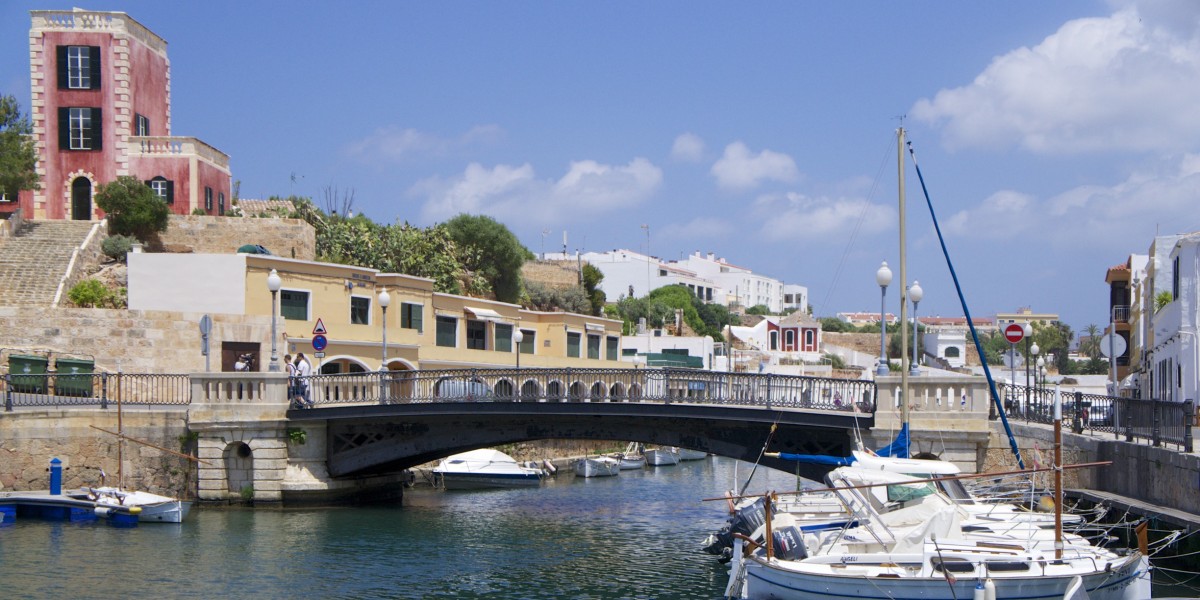
The most populous place in Menorca is Ciutadella, with 32,431 inhabitants. Located at the western end of the island, it is one of the main demographic and economic centres, with its size partly explained by its historical role as Menorca’s former capital.
Mahón (Maó), the island’s current administrative capital, follows closely with 30,666 inhabitants. Although it hosts key institutions, the port and the airport, its population is slightly lower than that of Ciutadella.
How many inhabitants are there in Menorca in summer?
While the official census places the permanent population at just over 102,000, this figure rises significantly during the summer months. Seasonal tourism and temporary residents cause the population to exceed 200,000.
In 2025, according to data from the Balearic Islands Statistics Institute (Ibestat), the average population reached 200,405 in July – rising to 218,946 in August, marking a slight increase compared with the previous year.
Living in Menorca
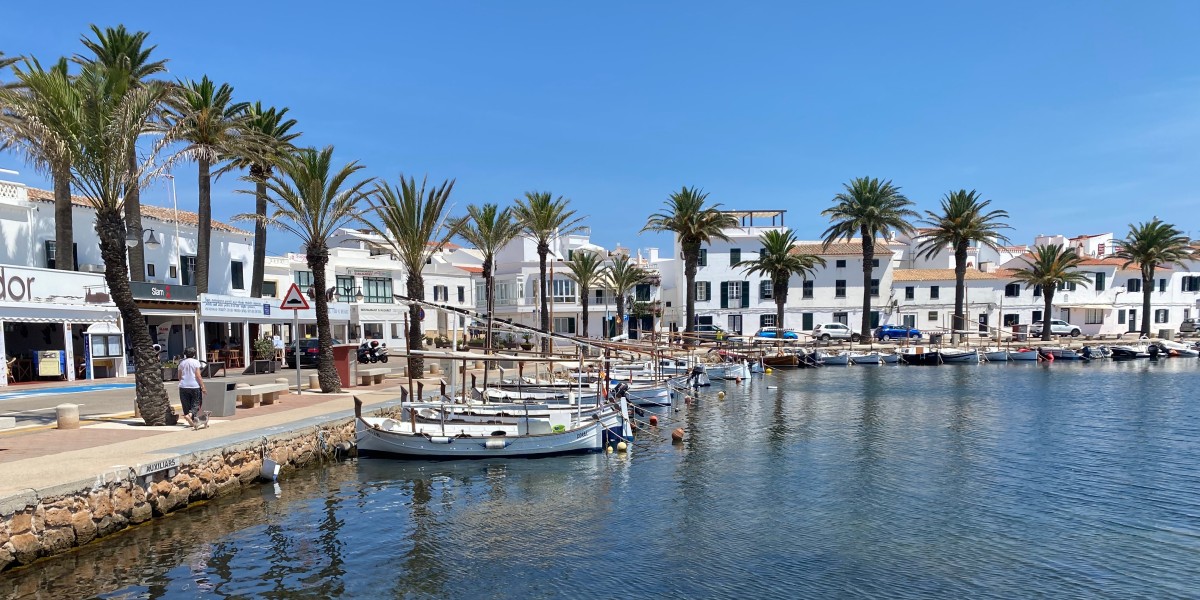
Living in Menorca means embracing a privileged natural environment – with a slower pace of life than in larger cities. The island offers well-equipped urban centres alongside extensive rural areas, all underpinned by a strong cultural identity.
At the same time, island living presents certain challenges – including reliance on air and sea transport, as well as property market pressure linked to tourism. Even so, many residents value the quality of life and the close connection to the sea.