When summer arrives, many people assume they need to travel to the coast to enjoy a day at the beach. However, despite having no coastline, the Community of Madrid is home to several inland bathing areas where visitors can cool off without leaving the region. Among them, one in particular stands out: the only Blue Flag beach in Madrid.
The only Blue Flag beach in Madrid
Virgen de la Nueva beach, located in the municipality of San Martín de Valdeiglesias, is the only beach in the Community of Madrid to hold Blue Flag status. It has retained this distinction since 2018, meeting the required standards for water quality, accessibility and visitor services.
The beach lies on the shores of the San Juan reservoir, which was built in 1955 to regulate the waters of the Alberche River and supply south-west Madrid. It is one of the few reservoirs in the region where both swimming and water sports are permitted.
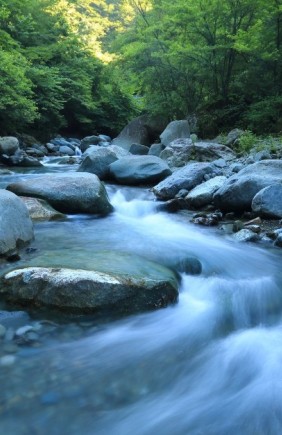
Surrounded by pine forests, the area features a mix of coarse sand and rocky sections, making water shoes advisable. During the peak season, lifeguards are on duty, and visitors also benefit from accessible facilities for people with reduced mobility, as well as several nearby restaurants.

How to get to Virgen de la Nueva beach
The beach is around an hour’s drive from Madrid. The most direct route is via the M-501, commonly known as the Reservoir Road. Traffic can become considerably heavier during summer weekends.
The bathing area can also be reached by public transport using intercity bus route 551, which runs from the Príncipe Pío transport hub to San Martín de Valdeiglesias. From there, visitors can continue to the beach on foot or by taxi.
What to see near the San Juan reservoir
Beyond Madrid’s only Blue Flag beach, the area around the San Juan reservoir offers several natural and historical attractions that can enhance a day trip.
- Submerged medieval bridge: When the water level drops, the remains of an ancient eight-arched structure that crossed the Alberche River centuries ago emerge.
- Virgen de la Nueva Hermitage: Partially visible in times of drought, it gave its name to the beach and is part of the local history.
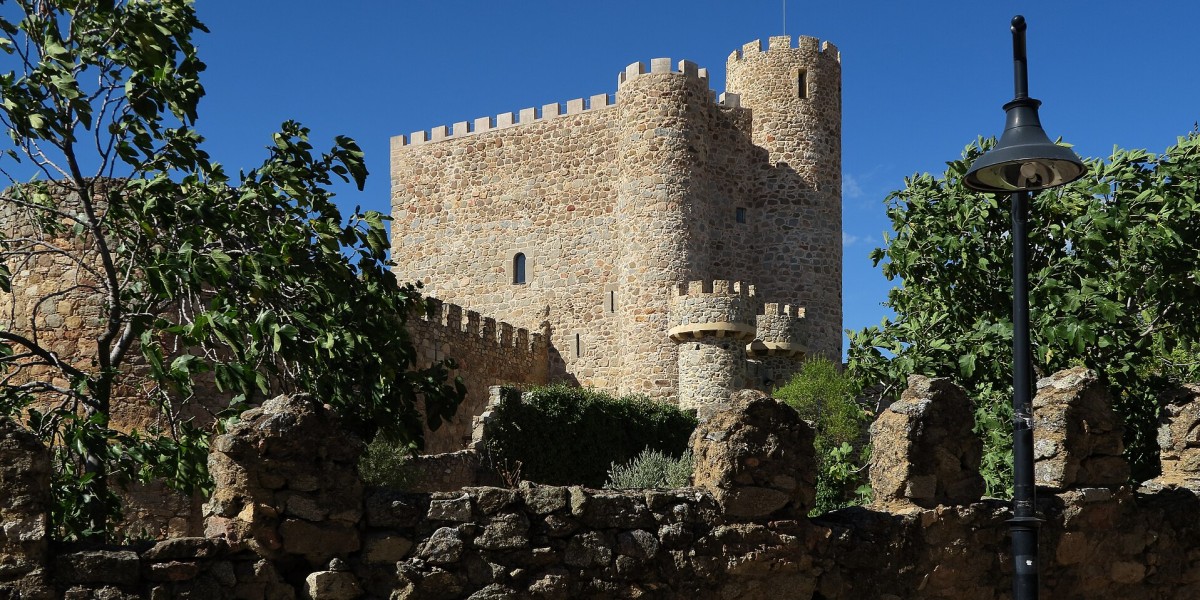
- Coracera Castle: In the centre of San Martín de Valdeiglesias, this fortress dates back to the 15th century.
Living in San Martín de Valdeiglesias
San Martín de Valdeiglesias is a municipality of just over 9,000 residents that offers both primary and secondary homes. Its proximity to Madrid, combined with its natural surroundings, has made it a popular destination for those seeking a balance between urban accessibility and outdoor living.
The presence of the reservoir, together with local services, schools and commercial activity, helps maintain a stable year-round population. During the summer months, an influx of visitors provides a significant boost to the local economy.