Arenys de Mar is a town that combines the charm of a traditional fishing village with the convenience of a well-connected municipality in the Maresme region. Located on the Mediterranean coast, around 40 kilometres from Barcelona, it stands out for its fishing port, beaches, commercial activity and a more relaxed pace of life than larger cities. It is an attractive option for those seeking proximity to the sea without giving up everyday amenities. Discover what it's like to live in Arenys de Mar.
What is it like to live in Arenys de Mar?
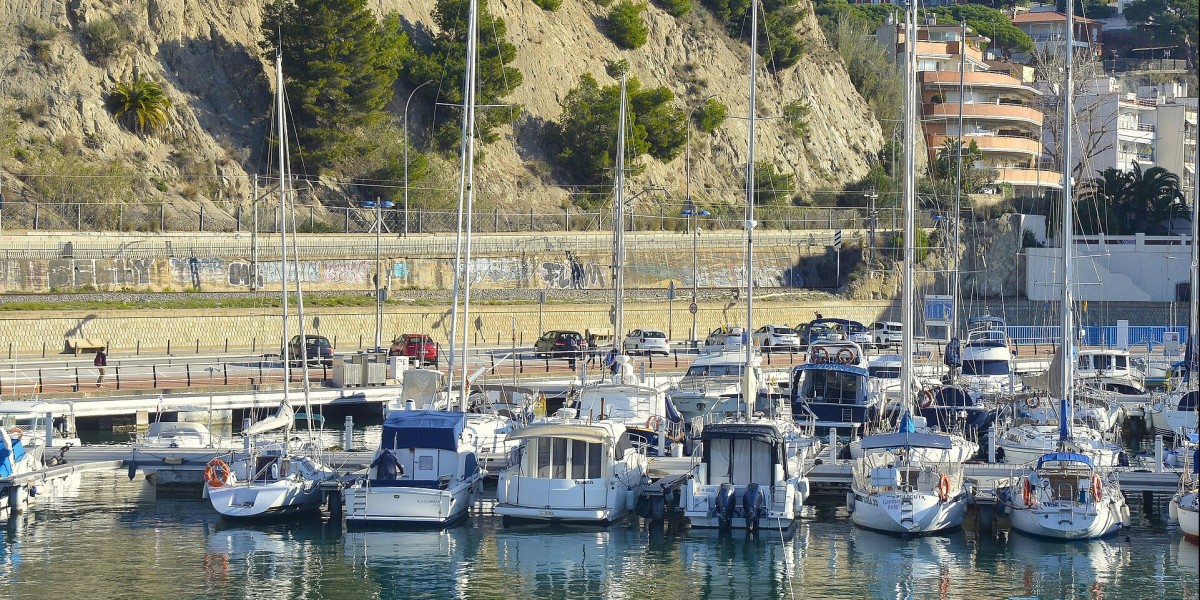
Living in Arenys de Mar means enjoying a lifestyle closely connected to the sea. The port, promenade, beaches and municipal market are part of everyday life, while the historic centre retains its narrow streets, local shops and strong sense of identity.
In terms of services, the town has supermarkets, independent shops, restaurants, schools, sports facilities and cultural venues. For more specialised shopping or a wider retail offer, residents often travel to Mataró or Barcelona.
Transport connections are one of its strengths. The R1 Rodalies line serves the railway station, while intercity bus services and direct access to the C-32 motorway and N-II road provide further connectivity. Even so, having a car can be convenient, particularly for those living in the outskirts.
In terms of healthcare, the town offers primary care and basic medical services, while hospital facilities are mainly located in Mataró. Leisure activities revolve around the beach, sailing, seafood cuisine, local trails and a calendar of cultural and traditional events.
Best areas of Arenys de Mar
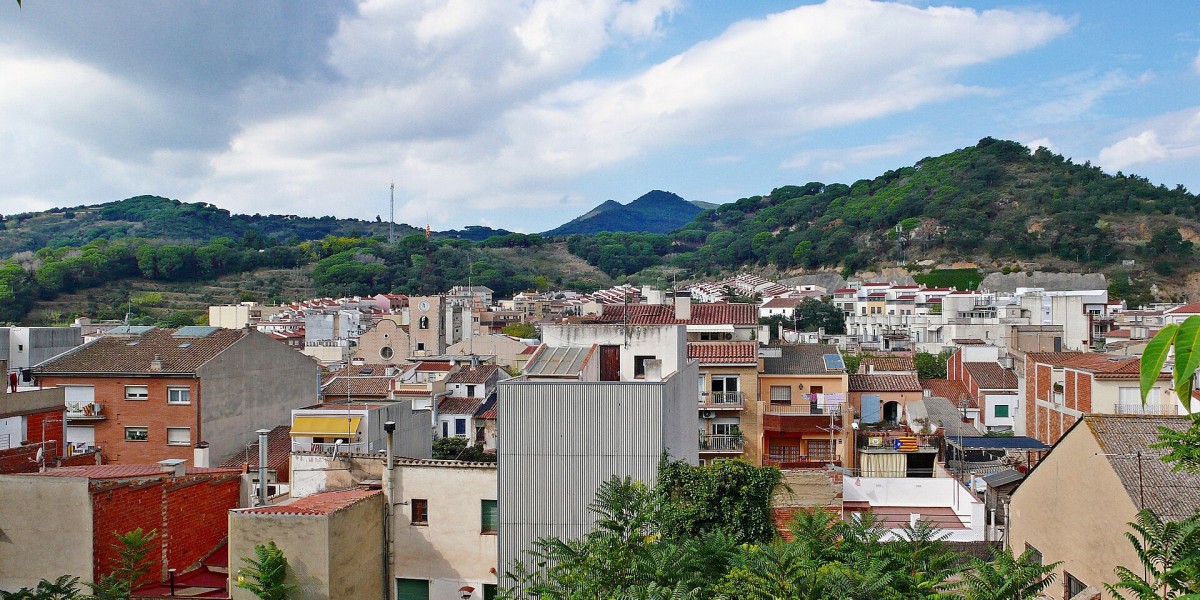
Although Arenys de Mar is relatively small, it offers a variety of residential settings depending on whether you prefer to live near the beach, in the town centre or in quieter elevated areas.
Centre
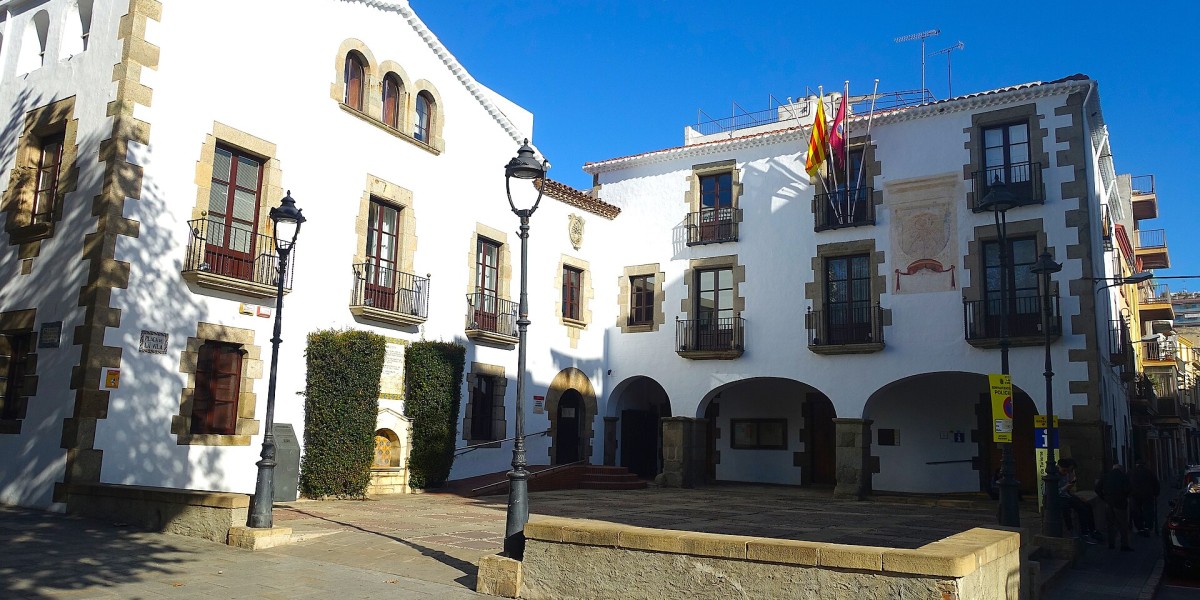
The centre of Arenys de Mar is ideal for those who want easy access to shops, restaurants, the market, local services and the railway station. It is the liveliest part of the town, with more traditional buildings, apartments and streets full of historic character. It is easy to get around on foot, although parking can be more limited than in outlying districts.
Upper area
The upper part of town is characterised by its elevated position, quieter residential streets and, in some locations, sea views. It is a suitable option for those seeking a more peaceful environment and larger homes. However, the hills and greater distance from the station and seafront may make car use more practical.
Residential areas
Residential areas around Arenys de Mar, such as Cinc Roses and Montmar, offer a quieter style of living, with detached houses, terraces, gardens and a greater sense of privacy. These neighbourhoods are particularly attractive for families and remote workers looking for additional space. Their location, however, often means greater reliance on a car for daily errands and services.
Cost of living in Arenys de Mar
Housing is the factor that has the greatest impact on household budgets. The average asking price stood at €2,871/m² in July 2026, although prices vary significantly depending on proximity to the sea and the condition of the property.
When it comes to transport, the rail connection reduces the need to drive to Barcelona or neighbouring coastal towns. For regular commuters, a local travel pass can offer good value.
Food costs are similar to those in other towns in the Maresme. A basic weekly grocery shop for a couple typically costs between €70 and €100, depending on shopping habits and the type of retailer.
Meanwhile, leisure activities centred around the beach, walking routes and outdoor pursuits mean you can enjoy many low-cost or even free ways to spend your free time.
Price comparison: Arenys de Mar, Arenys de Munt or Mataró?
When deciding where to live in northern Maresme, Arenys de Mar is often compared with Arenys de Munt, located further inland, and Mataró, which offers a larger urban environment and a broader range of services.
Living in Arenys de Mar or Arenys de Munt
Arenys de Munt is generally the more affordable option for homebuyers. In July 2026, the average asking price was €2,397/m². This often allows buyers to purchase larger properties or homes with outdoor space for a similar budget.
However, Arenys de Munt is located inland and does not have its own railway station, making residents more dependent on cars or buses. Arenys de Mar is likely to appeal more to those who value the beach, the port and direct rail access.
Living in Arenys de Mar or Mataró
The city of Mataró had a lower average asking price, at €2,448/m² in July 2026. It also offers a broader housing stock, making it easier to find properties for sale or rent across a range of budgets.
Compared with Mataró's more urban character, Arenys de Mar offers a smaller, more maritime atmosphere and a stronger sense of tranquillity. On the other hand, Mataró benefits from a hospital, a wider retail offer, more educational institutions and a broader range of specialised services.

Pros and cons of living in Arenys de Mar
Arenys de Mar can be an excellent choice for those seeking a well-connected coastal town with a vibrant local atmosphere and quick access to everyday services. Among its main advantages are:
- Beach life: beaches, port, seafood cuisine and outdoor leisure options all year round.
- Good connections: Rodalies station and road access towards Barcelona, Mataró and the rest of Maresme.
- Local services: shops, educational centres, restaurants and sufficient facilities for daily life.
Some factors may be less favourable depending on lifestyle, available budget, or the need to travel frequently.
- Housing is relatively expensive, and there is a limited supply, especially near the city centre, the port and the beach.
- Increased traffic and movement in summer, with greater tourist pressure and difficulties parking in some areas.