The best time to see the Pyrenees? It arrives sooner than you might think. At more than 1,100 metres above sea level, the Val d'Aran is already awash with yellows and ochres while other destinations are still enjoying the last traces of summer. In Arties, the forests offer a brief but captivating spectacle, with summer greens blending into the first reddish hues of the season. From the Parador de Arties, just seven kilometres from Baqueira Beret, you can access trails leading to lakes, waterfalls and viewpoints, as well as experiences linked to history, mythology, gastronomy and the night sky. It is the kind of getaway to be savoured step by step, before the snow transforms the valley landscape.
The key moment: autumn arrives earlier in the Val d'Aran
The Val d'Aran welcomes autumn earlier than much of Spain, and does so with unmistakable signs: cool evenings, reddish tones in the treetops and a softer light that accentuates the mountain profiles. It is a short but precious transition, neither the deep golden colours of November nor the vibrant green of summer. Instead, it creates an intermediate landscape rich in contrasts, making it especially rewarding for walking, photography and leisurely observation. This seasonal change can be seen on the surrounding trails, in the villages and from the Parador itself, which blends seamlessly into the surroundings and serves as a comfortable viewpoint over the valley.
A landscape defined by contrasts
The combination of greens, yellows and ochres creates different scenes within a matter of days. The area's characteristic dense forests display this mosaic of colours, inviting visitors to revisit the same trails under a changing light. This sense of transformation accompanies every walk through the historic centre of Arties and along the lower mountain slopes, offering a brief window to experience the valley at one of its most special moments. The key is choosing a base that allows you to connect trails and comfortably return.
The Parador de Arties, an Aranese base 7 km from Baqueira
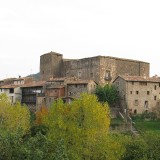
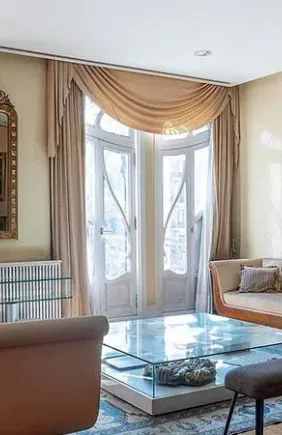
The Parador de Arties preserves the spirit of 14th- and 15th-century Aranese architecture, with cosy rooms, sloping ceilings and wooden beams that complement the surrounding landscape. From its windows, views stretch across the village rooftops and the mountains of the valley, while its location makes it easy to combine urban strolls with nature excursions without lengthy journeys. Its proximity to Baqueira Beret is an added advantage for those wishing to experience high-mountain scenery while staying close to the hotel. Overall, it provides an ideal base for a mountain escape, with all the comfort needed to unwind at the end of the day.
Architecture with history and valley views
The building reflects its connection to the region through traditional materials, mountain architecture and interiors designed around warmth. This coherence can be seen throughout the communal areas and in the way the surrounding landscape is framed. The wooden details and characteristic sloping roofs help explain how mountain architecture has adapted to the environment for centuries. It is a starting point that encourages exploration and rewards visitors with peaceful views on their return.
A Pyrenean village made for sauntering
Arties retains the charm of Pyrenean villages: cobbled streets, houses with sloping roofs and a selection of bars and restaurants where local cuisine can be enjoyed. This atmosphere makes it an ideal place to end the day after a hike or cultural visit. Wandering through the historic centre, visiting its churches and crossing its bridges become a natural part of the experience. The nearby Parador makes it easy to combine these activities without travelling far.
Autumn trails: lakes, waterfalls and forests at every level
The area around Arties offers a wide variety of trails, ranging from short and easy walks to moderate hikes and more demanding mountain trails. Autumn enhances them all, bringing colour, comfortable temperatures and light that highlights the landscape. Choosing a route suited to your preferences and experience level is the best way to enjoy each section safely without having to rush.
Carlac Forest: a walk among changing colours
This trail is ideal for immersing yourself in autumn with minimal effort. The path winds through trees displaying yellow and ochre tones, alternating between shaded sections and clearings with views across the valley. Walking slowly allows you to appreciate the mosaic of leaves and the texture of the forest, which takes centre stage here. It is as much a sensory experience as a visual one, ideal for those looking to walk and take photographs without tackling steep gradients.
Baciver Lake (Baqueira-Beret): a moderate trail with alpine rewards
Those who prefer to gain altitude can head to Estany de Baciver, a moderately challenging trail that crosses black pine forests and alpine meadows before reaching more than 2,100 metres. The scenery gradually changes from dense woodland to open landscapes, with the lake providing the perfect place to stop and take in the surroundings. It is an excellent way to experience the Baqueira area in autumn, well before the bustle of the ski season. Allow plenty of time to enjoy both the ascent and return journey.
Uelhs deth Joèu (Artiga de Lin): waterfall and accessibility
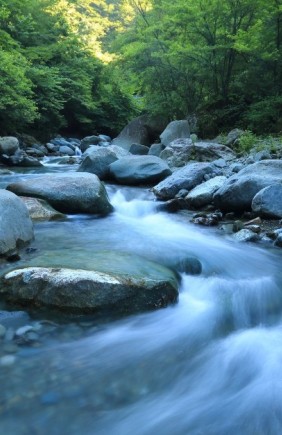
For a short and easy outing, the route to Uelhs deth Joèu leads to a waterfall surrounded by forests in the midst of seasonal change. It is ideal for those seeking direct contact with water and autumn colours without significant effort. The Artiga de Lin provides a spectacular setting, with lush vegetation and open areas that invite visitors to pause and admire the landscape. It is perfect for a family outing.
Camin Reiau: history on foot between villages and Romanesque churches
Following the Camin Reiau offers a glimpse into the region's history through the ancient paths that once connected its villages. Along the way, visitors encounter Romanesque churches, medieval bridges and hidden corners that reflect the valley's role as a crossroads between territories. Autumn enhances the colours of both the stonework and surrounding landscape, turning each section into a cultural heritage lesson. It is a route that combines history and nature without requiring major elevation gains.
Montarto (2,833 m): for experienced mountaineers
The summit of Montarto represents the ultimate challenge in the area for those seeking a demanding day in the mountains. At 2,833 metres, the ascent requires preparation and careful planning, but rewards hikers with sweeping views of valleys, lakes and Pyrenean peaks. It is a climb that demands respect for the mountains and a good understanding of the terrain, particularly when weather conditions are changeable. Autumn light makes the final panorama especially memorable.
More than scenery: history, myths, flavours and starry skies
The Parador de Arties promotes experiences that connect visitors with the area's natural and cultural heritage through the "Nature for the Senses" project. The aim is to discover the valley through different perspectives: history carved in stone, local mythology, gastronomy rooted in the landscape and the night sky as another form of scenery. These guided activities broaden the experience beyond traditional hiking routes.
"Stories of stones": Romanesque heritage and mountain architecture
This trail focuses on Romanesque architecture, mountain architecture and the historical importance of the valley as a crossroads between territories. It provides a deeper understanding of how buildings were adapted to the landscape and the role the Val d'Aran played in cross-border connections. It adds valuable context to everything seen along the way.
"Women of Water": myths and nature combined
Local mythology plays a leading role in this outdoor experience, which combines music, natural elements and the legends surrounding these magical beings. It offers a different way to connect with the landscape, using stories as a thread that runs throughout the route. The result is an experience that stimulates the senses and brings the valley's collective imagination to life.
"History and gastronomy": from pastureland to cheese by e-bike
This electric-bike route follows the traces of traditional livestock farming through mountain pastures and cheese-making facilities. Food becomes both a map and a story, helping visitors understand how the landscape has been shaped by generations of local activity. It is an experience that combines scenery and gastronomy with a contemporary approach.
"Starry Paths": discovering the landscape above
As night falls, the focus shifts upward. "Starry Paths" invites us to observe the sky and recognise ourselves in a different landscape, without mountains or forests, but just as powerful. The rhythm and scale change, and the valley then presents itself as a place of silence and observation.
Article seen in Spanish on viajes.nationalgeographic.com.es