Spain is one of the best countries in Europe for water sports, and not just in summer. With over 8,000 kilometres of coastline, Atlantic swells in the north, warm Mediterranean coves in the east, and volcanic seabeds in the Canary Islands, it offers proper variety for surfers, divers and snorkellers alike.
If you’re planning a water sports holiday in Spain in 2026, these are the destinations that consistently stand out for wave quality, marine life, water clarity and infrastructure.
Best places for snorkelling in Spain
Spain’s best snorkelling spots tend to be in protected coves and island settings where the water is calm and visibility is high.
The Balearic Islands and the Canary Islands are leading the way again in 2026, especially in areas with marine reserves.
Snorkelling in Menorca

Menorca is one of the best places in Spain for snorkelling if you like quiet coves and clear, shallow water. Much of the coastline is protected as a UNESCO Biosphere Reserve, which means less overdevelopment and healthier marine life.
Top snorkelling beaches in Menorca:
- Cala Macarelleta – turquoise water, rocky edges and excellent visibility on calm days
- Cala Mitjana – good access and sheltered conditions
- Cala Morell – rock formations and fewer crowds outside peak August
The seabed around these calas is full of small fish, sea urchins and the occasional octopus if you’re patient. Early morning is best before boat traffic increases.
Snorkelling in Tenerife
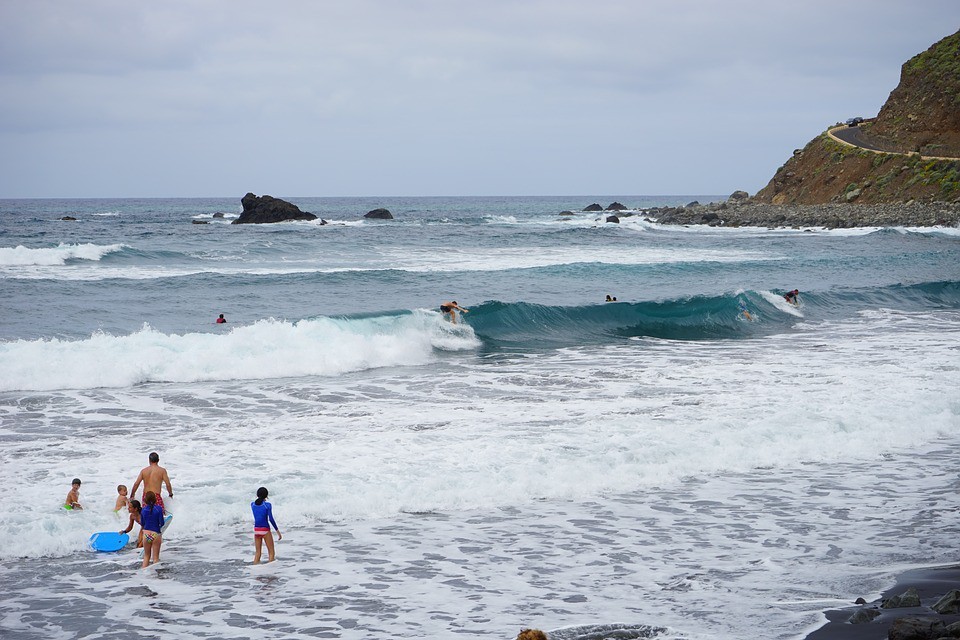
Tenerife offers a very different snorkelling experience thanks to its volcanic coastline. The contrast between black sand, lava rock and clear Atlantic water makes it visually striking.
Best snorkelling areas in Tenerife:
- Los Cristianos – calmer waters and easy access
- El Puertito (La Caleta) – often associated with sea turtles
- Playa de Las Teresitas – gentler conditions for beginners
Water temperatures stay relatively mild all year compared to mainland Spain, which is why Tenerife remains a top winter snorkelling destination. Just bear in mind that Atlantic currents can be stronger than in the Mediterranean.
Best scuba diving destinations in Spain
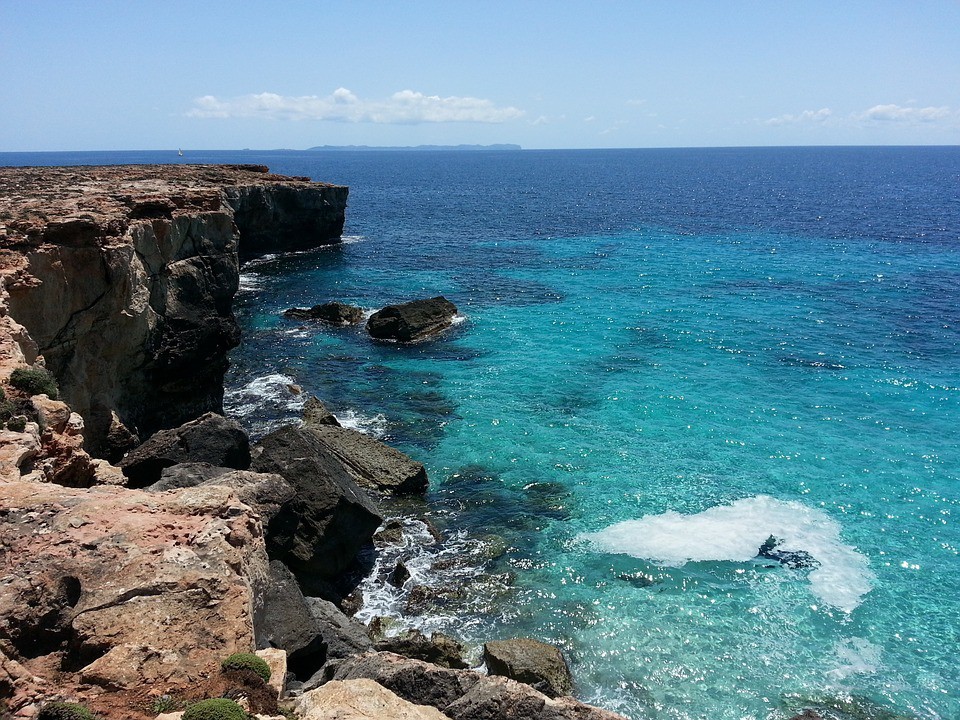
If you’re searching for the best diving in Spain in 2026, you’ll keep seeing the same names: Mallorca, Lanzarote, Costa Brava and the Medes Islands. The islands in particular offer excellent visibility and dramatic underwater landscapes.
Scuba diving in Mallorca
Mallorca has quietly become one of Spain’s most reliable diving destinations. The Bay of Palma is popular, but the real highlights are around marine reserves and cave systems.
Why divers rate Mallorca highly:
- Wreck dives near Palma
- Cave and cavern systems in the east of the island
- Clear water and good infrastructure for PADI courses
The island works well for beginners doing their Open Water certification as well as experienced divers looking for deeper wrecks.
Scuba diving in Lanzarote

Lanzarote is often described as one of the best year-round diving spots in Europe. The volcanic seabed creates unusual rock formations, tunnels and drop-offs.
The top diving area is Puerto del Carmen, with easy shore dives and diverse marine life.
You’ll regularly see angel sharks (seasonally), rays, barracuda and large shoals of fish. Visibility is consistently strong, which is why many divers return year after year.
Best surfing beaches in Spain

Spain’s surfing scene is strongest along the Atlantic coast. Northern regions such as Asturias, Cantabria and the Basque Country attract experienced surfers, while Andalusia offers wind-driven waves and a slightly warmer climate.
Surfing in Asturias (Northern Spain)
Asturias is a solid choice if you’re looking for less commercialised surf spots and powerful Atlantic waves. The region has a strong local surf culture dating back to the 1960s.
Best surf beaches in Asturias:
- Playa de San Lorenzo (Gijón) – consistent swell and urban convenience
- Tapia de Casariego (Playa de la Grande) – respected competition spot
- Rodiles Beach – fast, hollow waves in the right conditions
Autumn tends to bring the most reliable swell. Wetsuits are essential for much of the year due to cooler Atlantic temperatures.
Surfing in Cadiz

If you’ve heard of surfing in southern Spain, it’s probably because of Tarifa. Cádiz province combines Atlantic swell with strong winds, making it popular for both surfing and kitesurfing.
Top surfing spots in Cádiz:
- El Palmar – accessible and suitable for beginners and intermediates
- Caños de Meca – more varied conditions
- Tarifa – stronger wind exposure and experienced crowd
El Palmar, in particular, has become a go-to for surf schools, so it’s often recommended for those learning in Spain in 2026. Tarifa leans more towards wind sports, but still draws experienced surfers when the swell lines up.
Planning a water sports holiday in Spain in 2026
A few practical trends worth noting:
- Sustainable tourism is a bigger focus in marine reserves, particularly in the Balearic Islands. Expect stricter controls on boat anchoring and protected areas.
- Surf tourism in northern Spain is growing, but it remains far less crowded than parts of Portugal or south-west France.
- Year-round diving in the Canary Islands continues to attract remote workers combining work and outdoor sport.
Spain’s coastline isn’t one-size-fits-all. That’s exactly why it works so well for water sports.
Stay inspired for your travels in Spain—get our weekly newsletter for the latest travel guides, cultural news, and lifestyle tips.