Did you know there's a Parador in Málaga where you can swim outdoors even in the middle of December? Located on Mount Gibralfaro, next to the castle, it has a rooftop pool with views of the port and the bay.
Its location, the Málaga cuisine and its proximity to the city's main monuments make it a good option for an autumn getaway.
A rooftop pool overlooking the Mediterranean
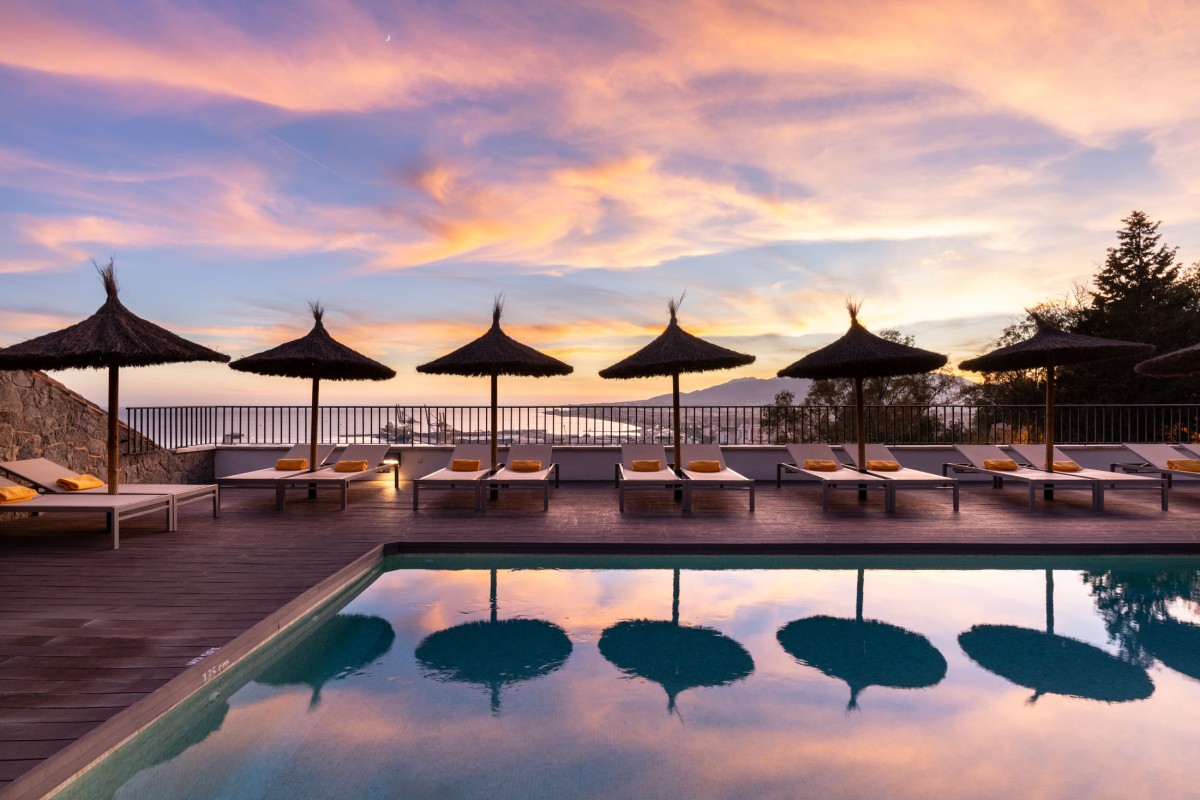
The outdoor swimming pool at the Parador de Málaga Gibralfaro is open year-round, except in January when it closes for maintenance. Located on the building's rooftop, it offers views of the port and the Bay of Málaga.
The property is located in an elevated area of the city, next to Gibralfaro Castle. From there, the landscape encompasses:
The coastline.
The port.
The rooftops of Málaga.
The bay and the Mediterranean.
A perspective that enhances the stay and allows you to contemplate the city from a different height.
Typical dishes you can try at the Parador de Gibralfaro
The Parador's cuisine takes as its reference point the Málaga and Andalusian tradition, with recipes made from seasonal products, fish and other ingredients from the province.
Among the specialities of the local cuisine are:
- Gazpachuelo: A traditional hot soup that combines broth, potatoes and a mayonnaise-based sauce. It is one of the signature dishes of the local cuisine.
- Zoque and ajoblanco: Two soups with different ingredients and preparations. Zoque is made from tomato, bread, garlic and olive oil, while ajoblanco is based on almonds, bread, garlic, water, and oil.
- Soupy rice dishes: Recipes with plenty of broth that may include fish and seafood, depending on the preparation.
- Tempura aubergines: An alternative for those who prefer a vegetable dish, with the eggplant covered in a light batter and fried until crispy.
- Kid goat and Iberian pork shoulder: Two meat options present in Andalusian cuisine, with preparations that vary according to the recipe.
The offer also includes El Mirador del Mediterráneo, a space in the Parador with a more informal menu and products from different regions of Málaga.
What to see near the Parador de Málaga Gibralfaro?
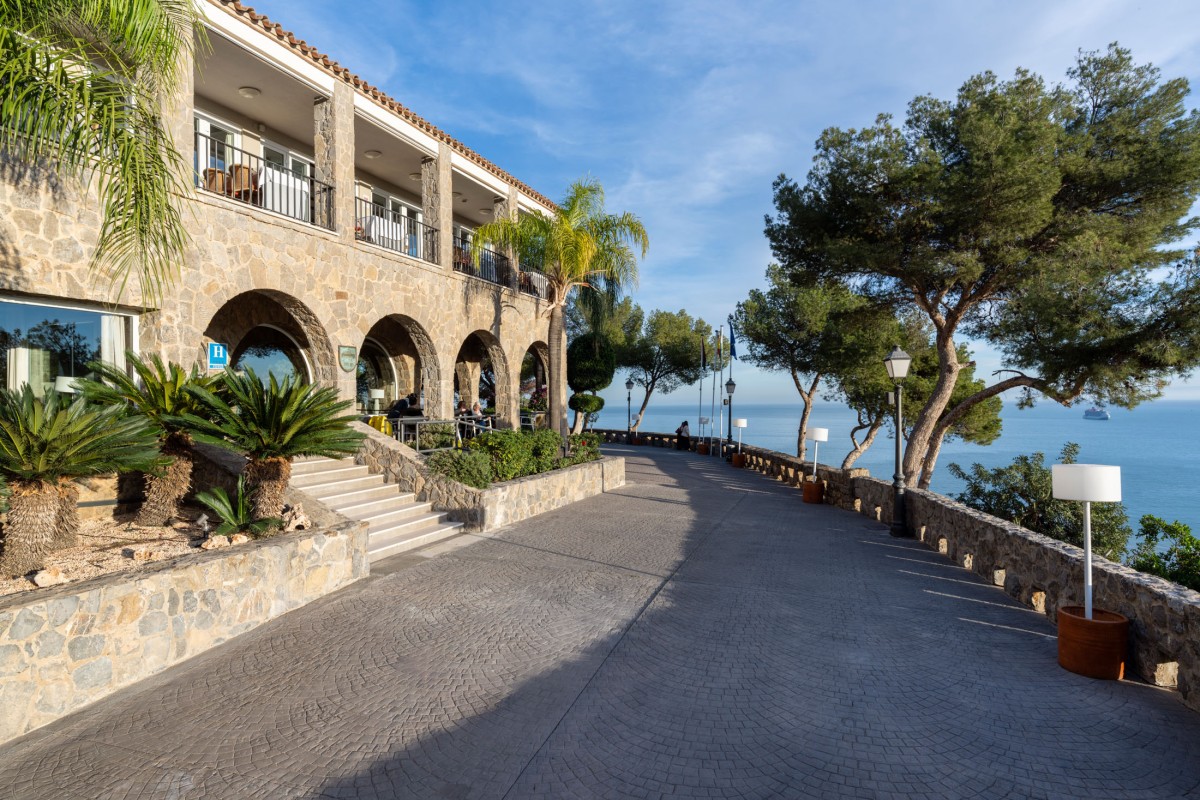
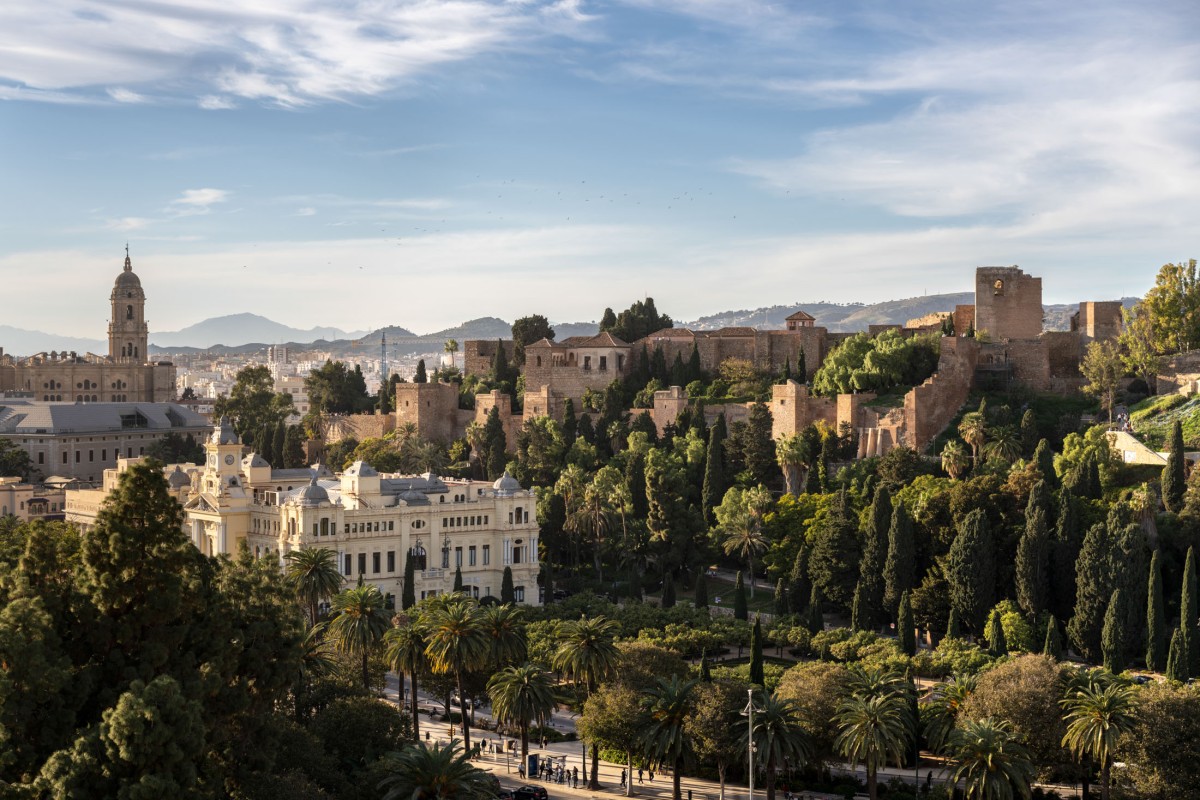
The Parador is next to Gibralfaro Castle and allows access to several of Málaga's most famous places:
- Gibralfaro Castle: It retains part of its walls and offers panoramic views of Málaga. It was built to reinforce the Alcazaba's defences.
- The Alcazaba: An Al-Andalus fortress that stands out for its walls, courtyards and interior routes.
- Roman Theatre: Located at the foot of the Alcazaba, it preserves the remains of a Roman-era building discovered in the 20th century.
- Málaga Cathedral: Known as La Manquita, it stands out for its unfinished tower and is one of the most recognisable monuments in the historic centre.
- Picasso Museum Málaga: Dedicated to the artist born in the city, it brings together works from different stages of his career and allows one to approach his artistic evolution.
You can also stroll through the shopping streets of the historic centre and discover its bars and restaurants in squares like the Plaza de la Constitución.
Other places worth visiting in the province of Málaga
The province of Málaga offers landscapes and towns with much to discover outside the capital:
- Rincón de la Victoria: In addition to enjoying its beaches and seafront promenade, you can visit the Treasure Caves, one of the most unique places in the area, and visit the Casa Fuerte de Bezmiliana, an 18th-century fortification that now hosts cultural exhibitions.
- Frigiliana: Its narrow, steep streets, white facades, and Moorish heritage make exploring its old town one of the highlights of a visit. You can also visit the former palace of the Counts of Frigiliana, linked to the traditional production of sugarcane honey.
- Nerja: The Balcón de Europa offers spectacular views of the Mediterranean and is one of the town's most famous spots. You can complement your stroll through the historic center or visit the Nerja Caves, famous for their large chambers and prehistoric paintings.
- Mijas: The old town retains the charm of a white Andalusian village, with cobbled streets, patios and viewpoints from which to contemplate the landscape of the Costa del Sol.