Moving to Spain in 2026 is about more than chasing good weather. Day-to-day life can look very different depending on housing costs, work prospects, public transport, healthcare, school options and how easily a place feels liveable without a car.
Madrid and Barcelona still make sense for plenty of people, particularly for international careers and universities. Yet recent quality-of-life rankings have put a brighter spotlight on Valencia, while cities in Galicia, including A Coruña and Vigo, are gaining attention for their manageable scale, access to the coast and stronger value than Spain’s two largest cities.
- Barcelona: international life beside the Mediterranean
- Madrid: best for careers, culture and connections
- Valencia: one of the best cities in Spain for quality of life
- A Coruña: a walkable Atlantic city
- San Sebastián and Bilbao: strong public services in northern Spain
- Seville and Granada: culture, lower costs and very hot summers
- Málaga: sunshine, sea and an established international community
- Tenerife: year-round mild weather, with island limits
- Where do most foreigners live in Spain?
- The safest places to live in Spain
Barcelona: international life beside the Mediterranean
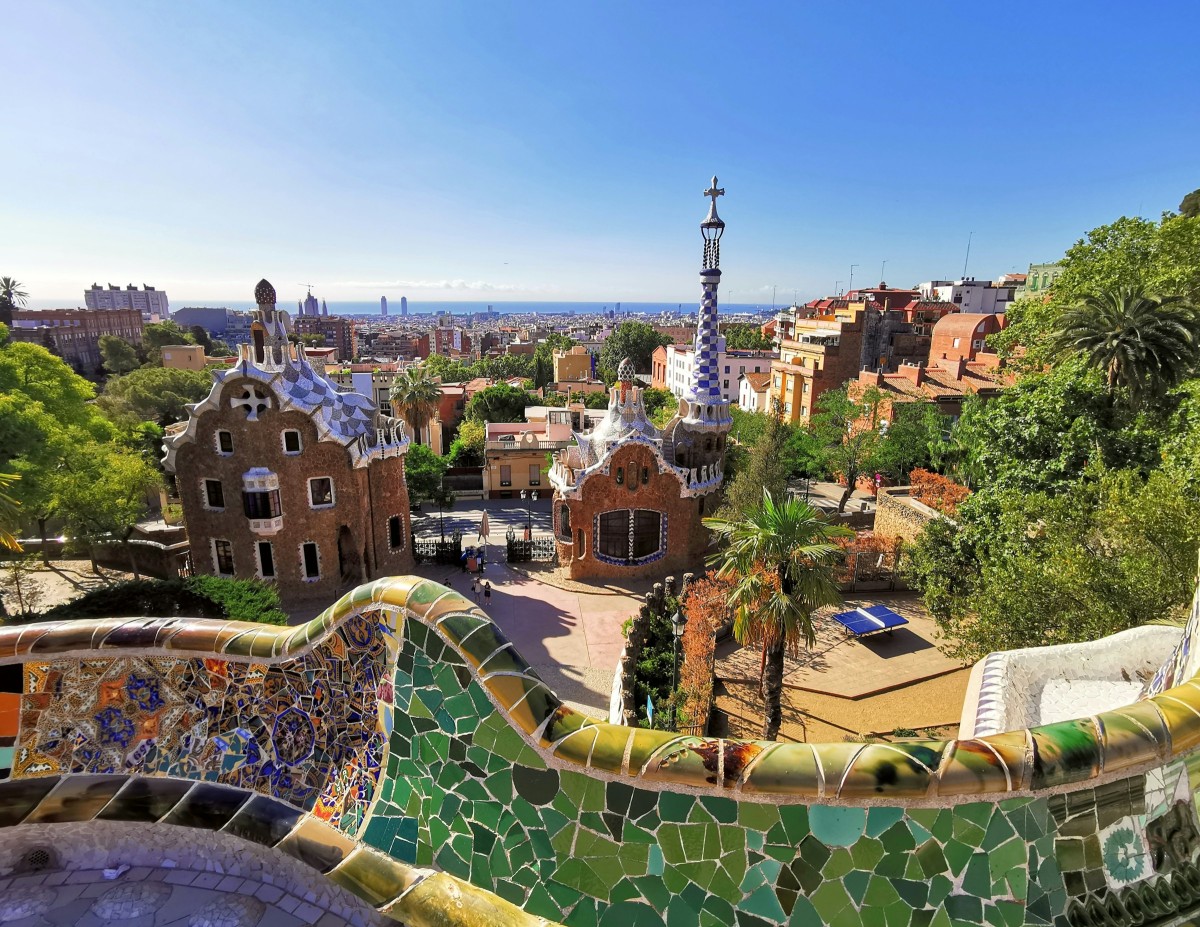
Barcelona continues to suit people seeking a large international community, a creative economy and beach access alongside city life. Its public transport is extensive, and many neighbourhoods work well without a car.
Housing is the harder bit. Demand is fierce, rents are expensive, and the visitor economy affects central districts in particular. Poblenou, Sants, Gràcia and Sant Antoni all have their own appeal, but a realistic housing budget matters more than romantic ideas about living near the Gothic Quarter.
Catalan and Spanish are both part of daily public life. Learning some of each goes a long way in settling in respectfully.
Madrid: best for careers, culture and connections

Madrid remains one of the best places to live in Spain for job opportunities. It has the broadest selection of multinational employers, universities, public-sector work and international services, plus fast rail links across the country and Barajas airport for frequent travel.
It is also a city where culture becomes part of the weekly routine. The Museo del Prado, Reina Sofía, independent cinemas, football, live music and neighbourhood bars keep life varied without needing to plan a grand occasion.
The compromise is cost. Rents are high, flat-hunting can be brutal, and the city’s dry summer heat catches newcomers out. Districts beyond the centre, including Chamberí, Arganzuela, Retiro and Tetuán, each have different budgets and daily rhythms.
Valencia: one of the best cities in Spain for quality of life
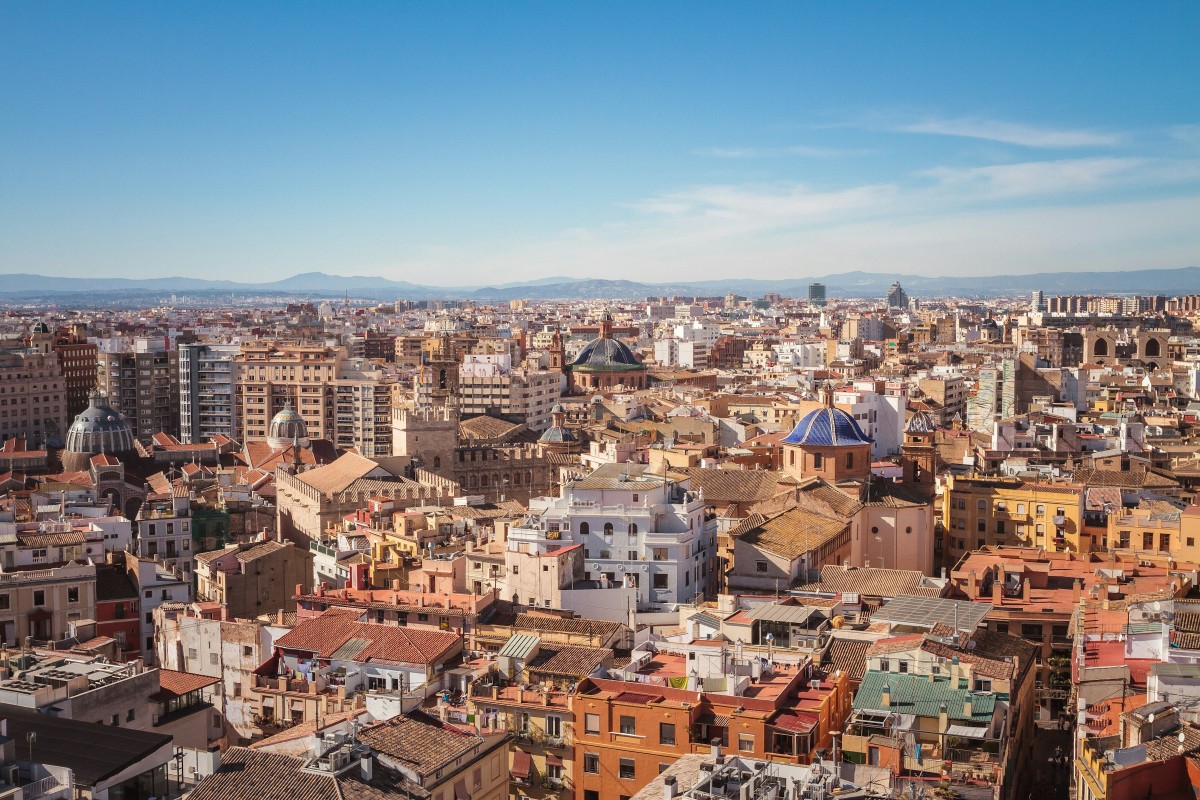
Valencia has become one of the most searched-for places to live in Spain, particularly among remote workers, younger families and people looking for a city near the sea without Barcelona-level prices. In 2026, it ranked 13th worldwide for quality of life in a global city ranking reported by idealista.
Life here is generally easy to organise. The centre is compact enough for walking and cycling, while Metrovalencia, buses and tram services connect the main districts and beaches.
Neighbourhood choice matters. The trendy Ruzafa is sociable and central but noisier and increasingly expensive; Benimaclet has a studenty, community-minded feel; Cabanyal-Canyamelar puts the beach within easy reach, though housing and tourism pressures are noticeable. Hot, humid summers are the trade-off.
A Coruña: a walkable Atlantic city

A Coruña is a compact peninsula city with a long seafront promenade, urban beaches and a strong café culture. The Orzán and Riazor beaches sit right beside the centre, while the old town and harbour make it easy to fill a Saturday without elaborate plans.
The weather is mild rather than reliably sunny. Rain and wind are part of the package, especially outside summer, but homes generally need less air conditioning, and the pace can feel more manageable than in larger cities. Spanish is essential for everyday integration, and Galician is widely heard and seen.
Work opportunities are narrower than in Madrid, Barcelona or Valencia, so A Coruña is most practical for remote workers, people with a local role already lined up, or those not reliant on a huge international job market.
San Sebastián and Bilbao: strong public services in northern Spain
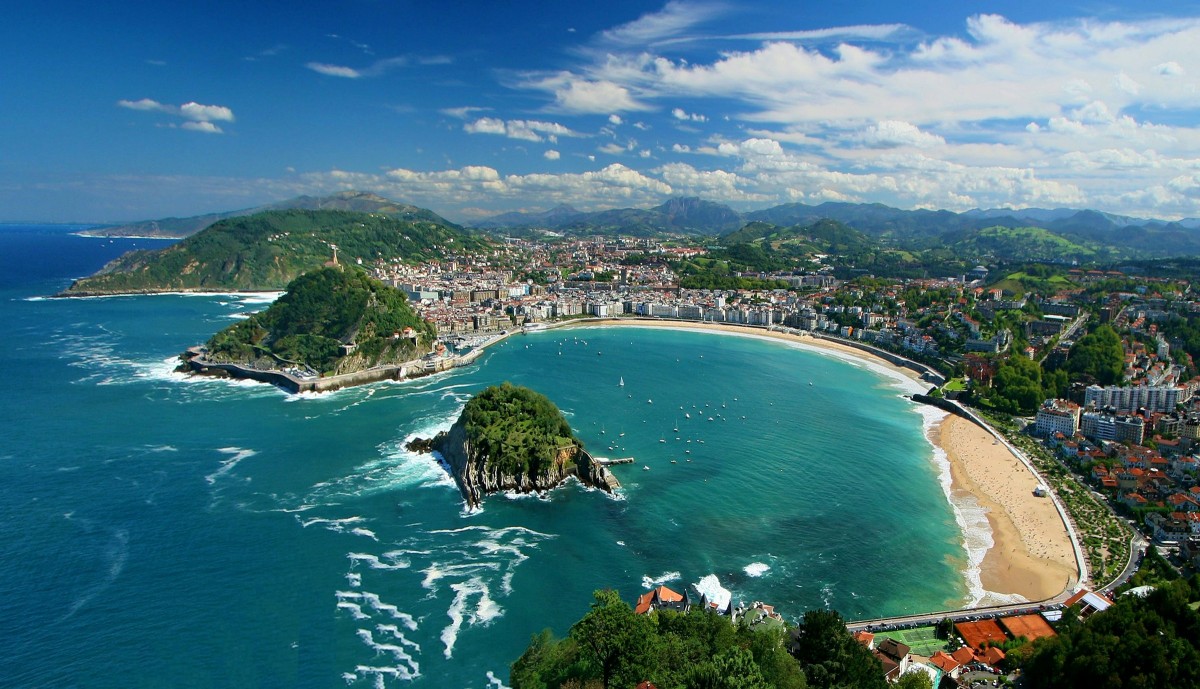
For food, cooler weather and a more compact urban set-up, northern Spain deserves a place on the shortlist. San Sebastián has beaches, serious pintxo culture and easy access to green hills, but it is among Spain’s pricier small cities and its rental market is tight.
Bilbao is usually more practical on budget and work prospects. The city has transformed around the river, with the Guggenheim Museum Bilbao, tram network and walkable central districts adding plenty to everyday life. The weather is wetter than in Mediterranean Spain, though summers are usually less punishing.
Seville and Granada: culture, lower costs and very hot summers

Seville and Granada work well for people drawn to Andalusian city life, historic streets and a strong social culture. Both can feel more affordable than Madrid, Barcelona and Málaga, especially away from the most tourist-heavy areas.
Seville has a larger job market and better transport links. Granada has a major university population, the Alhambra and nearby Sierra Nevada, which gives it a distinctly outdoorsy edge. The caveat is non-negotiable: summer temperatures can be extreme, with long spells above 35°C. A flat with effective cooling and insulation is not a luxury.
Málaga: sunshine, sea and an established international community

Málaga has changed rapidly in recent years, with tech investment, a growing remote-work scene and more cultural life around Soho, the historic centre and the Museo Picasso Málaga. It is practical for people who value mild winters, beach access and an airport with strong European connections.
That popularity comes with a pinch of reality. Housing costs have climbed quickly, especially near the centre and coast, while summer crowds and high temperatures can be exhausting. Looking at areas such as Huelin, Teatinos or El Palo can make more sense than focusing solely on the old town.
Tenerife: year-round mild weather, with island limits

Tenerife remains popular with retirees, remote workers and people looking for steadier temperatures through winter. Santa Cruz de Tenerife, La Laguna and the south coast each have quite different characters, so island life is not one thing.
Healthcare, services and air connections are good for an island, but professional options can be limited outside tourism, public services and remote work. Housing availability is also under pressure in many parts of the Canaries, and local communities are dealing with the impact of short-term rentals and tourism growth.
Where do most foreigners live in Spain?
Foreign residents are concentrated in Madrid, Barcelona, Valencia, the Costa del Sol, Alicante province, the Balearic Islands and the Canary Islands. These areas have established international networks, English-speaking services and direct flights, but they are not the only workable options.
Galicia, Asturias, the Basque Country and inland cities can be a better fit for people prioritising a lower-key daily routine, cooler weather or closer contact with local life.
The safest places to live in Spain
Spain is generally considered a safe country by European standards, although petty theft is a reality in crowded tourist areas and city centres. Smaller northern cities such as A Coruña, Oviedo and Pamplona, alongside San Sebastián, regularly appeal to people looking for a calmer pace and strong public services.
Safety varies street by street, not simply city by city. Checking a prospective neighbourhood at different times of day, local transport links, lighting and the practical walk home from the nearest station is more useful than relying on a blanket city ranking.
The best place to live in Spain in 2026 depends on what needs to work on an ordinary Tuesday. Valencia stands out for liveability and Mediterranean city life; A Coruña and Vigo bring Atlantic character and a better balance of space and cost; Madrid and Barcelona remain strongest for work and international connections.
Stay in the know about living in Spain as a foreigner—get our weekly newsletter for the latest travel, legal, and lifestyle news.