Almería is a Mediterranean city defined by its sunshine and arid landscapes – features that make it unique in Europe. Its history is rich and layered, shaped by successive civilisations including the Phoenicians, Romans and, above all, the Muslims, who left a profound imprint on its culture, architecture and even its name.
If you have ever wondered why Almería is called Almería, the answer lies largely in this Islamic legacy and the strategic importance the city once held on the Andalusian coast.
History of Almería
The area now known as Almería has been inhabited since ancient times, with Iberian and later Roman settlements nearby. Its prominence, however, grew during the Andalusian period. By the 10th century, under the Caliphate of Córdoba, it had become a fortified urban centre closely linked to the region’s maritime and military development.
In the 11th and 12th centuries, Almería enjoyed a golden age as one of the busiest ports in Al-Andalus. Its trade connected the southeastern Iberian Peninsula with North Africa and other Mediterranean regions, and the city gained renown for its textile industry.
After the Christian conquest in the 15th century, Almería faced periods of instability, shaped by conflicts and economic change. Over time, it was incorporated into the structure of the modern Spanish state, eventually becoming a provincial capital in the 19th century.
What is the origin of the name Almería?
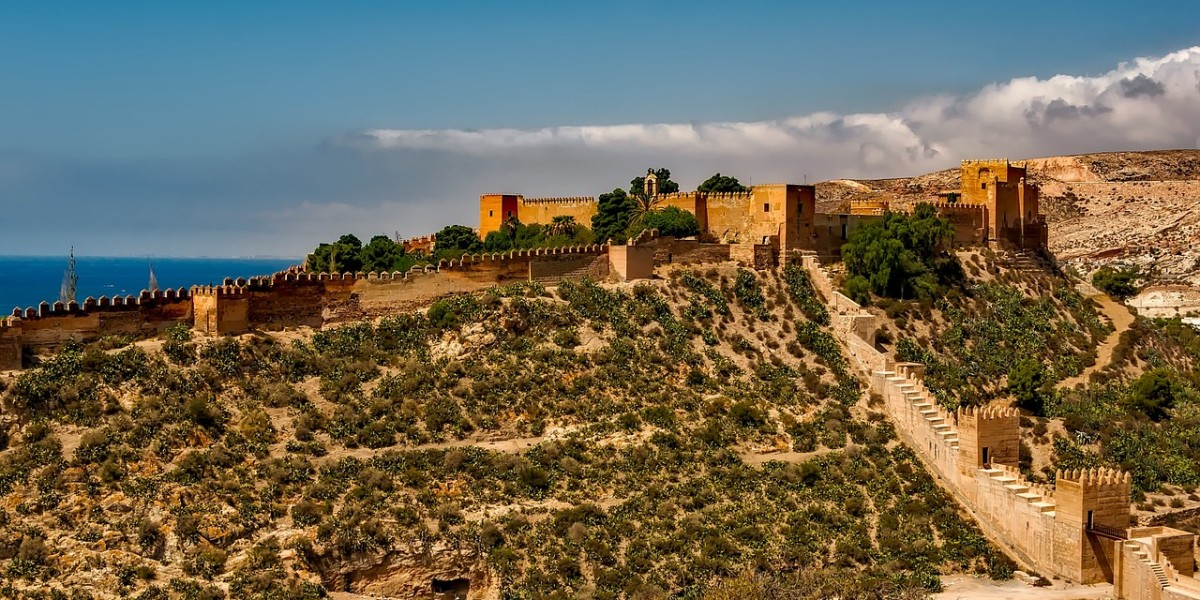
The name Almería originates from the Islamic period. Founded in 955 by order of Abd al-Rahman III, it was originally called Al-Mariyya, an Arabic term linked to a lookout or strategic coastal location, reflecting its defensive and port functions.
The most common interpretations connect the name to "lookout", "mirror" or "mirror of the sea", while other theories emphasise meanings like "watchtower". All agree on the city’s strong connection to the sea and its maritime role.
Over the centuries, as Almería became part of the Castilian kingdom, the name evolved phonetically to its modern form. In 1833, with the creation of Spain’s current provincial divisions, the province officially took the name of its capital.
What was Almería called in ancient times?
Throughout its history, Almería has been known by different names that reflect the cultures and periods it has witnessed. Key historical names include:
- Maríyyat Baŷŷāna – an Andalusian name referring to the watchtower linked to the nearby city of Pechina (Baŷŷāna).
- Al-Mariyya – the name given in the 10th century at its official founding during the Caliphate era.
- Al-Mariyyāt – a variant recorded in medieval Arabic sources.
- Almería – the Castilianised form that became established following the Christian conquest.
Living in Almería
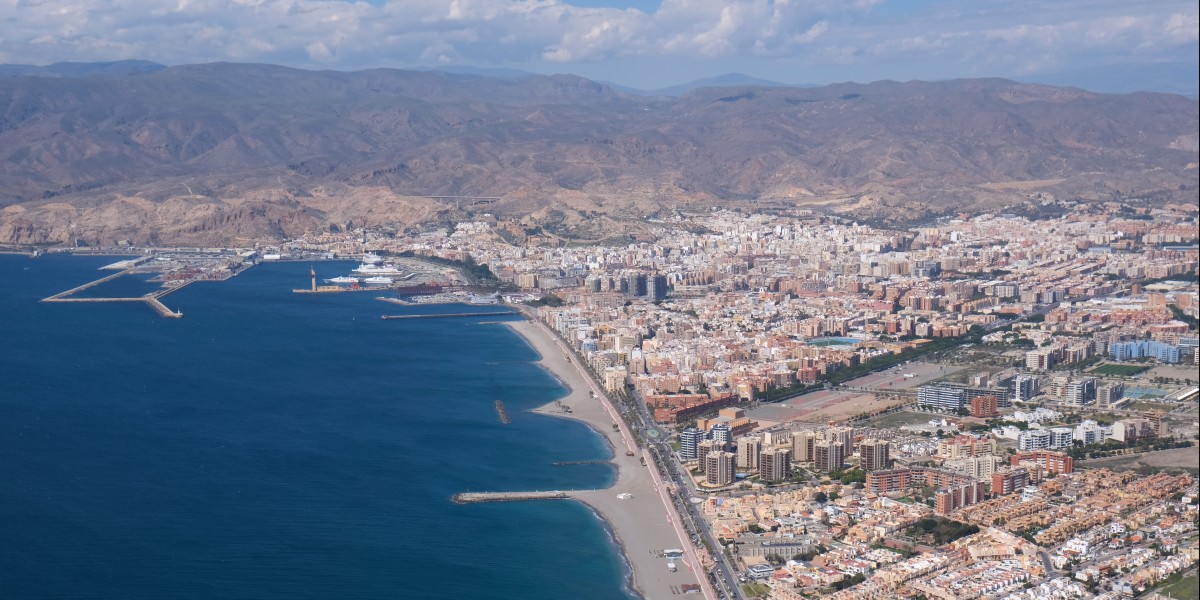
Today, Almería blends historical heritage with a high quality of life. Its mild climate, extensive beaches and striking natural surroundings make it an appealing destination, with the sea remaining a central feature of daily life.
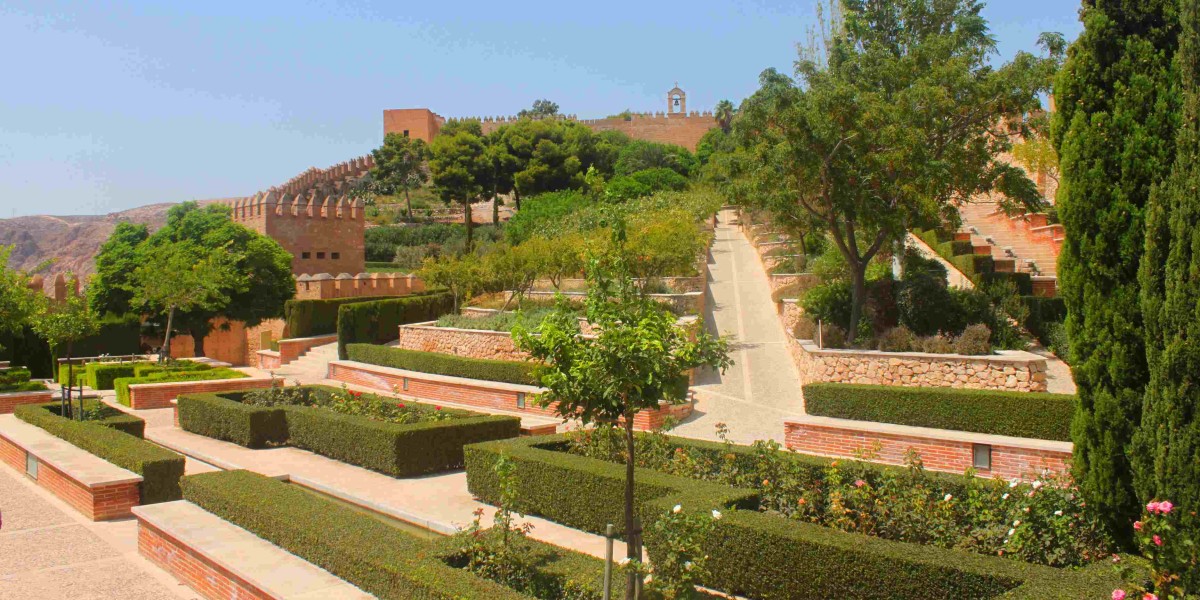
The city has also diversified its economy, drawing on the service sector, tourism and the province’s intensive agriculture. Living in Almería offers a unique experience of centuries of history, visible in landmarks such as the Alcazaba of Almería, alongside a modern, dynamic urban environment.