Few could have imagined that J. R. R. Tolkien’s work would breathe new life into rural Spain. One example is Moradillo de Roa, which has gained attention in recent years after several media outlets likened its ethnographic complex to a hobbit village.
Follow idealista/news on the WhatsApp channel (in Spanish)
Although the town’s link to J. R. R. Tolkien may help draw attention, Moradillo de Roa stands on its own merits. This Ribera del Duero village in Burgos was once at risk of fading into obscurity – until 2015, when the ‘El Cotarro’ wine project revived its fortunes, centred on a remarkable ethnographic complex of 157 underground cellars and seven traditional wine presses.
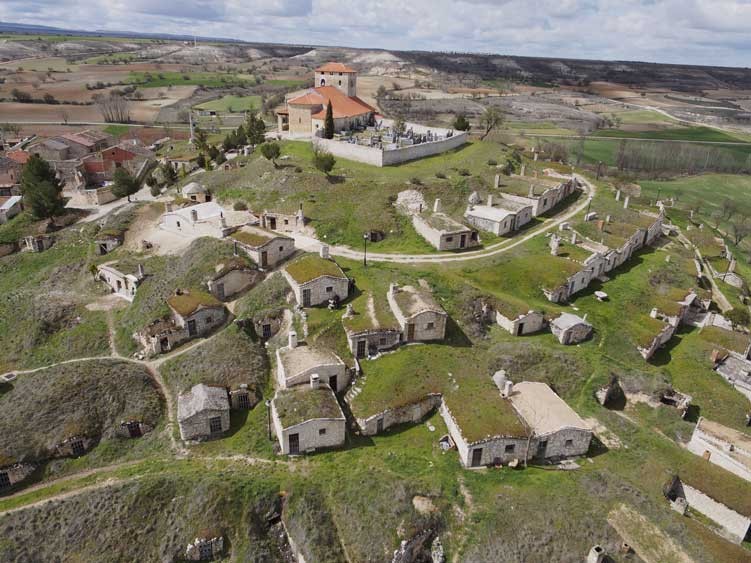
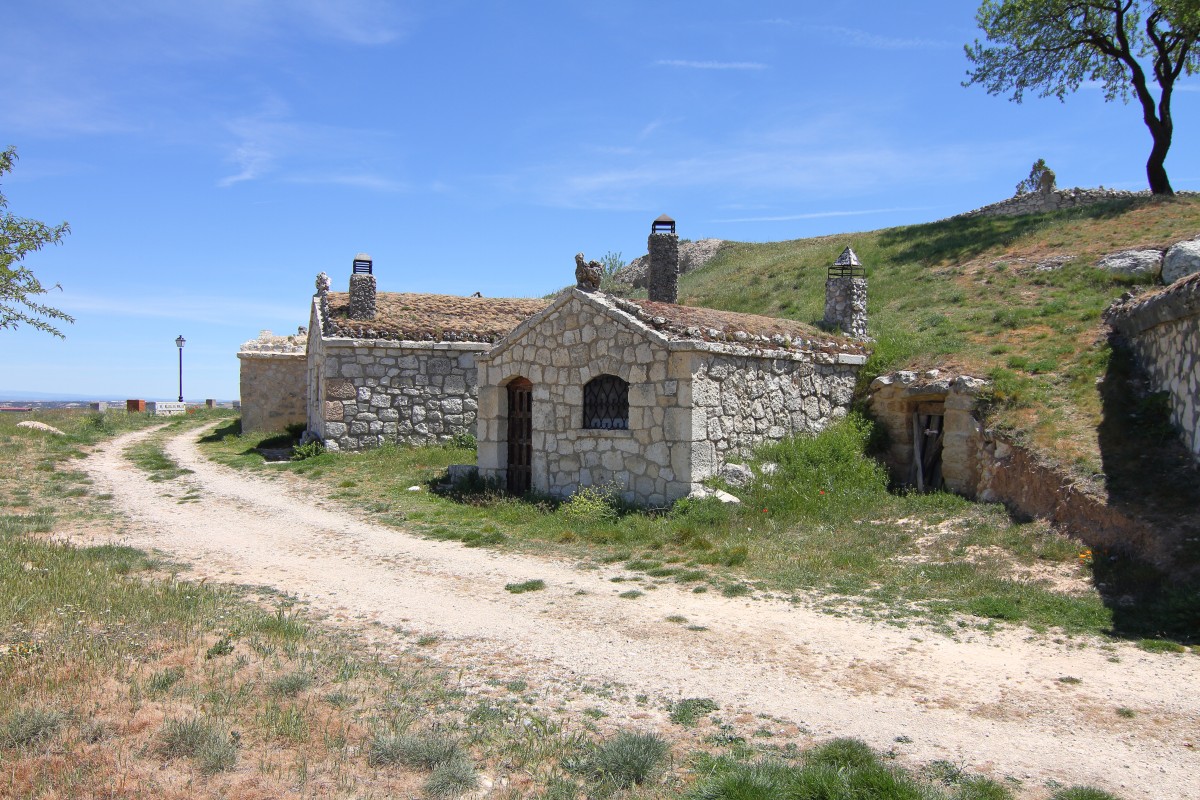
The village’s wine cellars are caves carved into the hillside, creating a landscape reminiscent of an Iberian hobbit settlement. Today, Moradillo de Roa has just 167 residents (INE 2025).
Its origins lie in the medieval repopulation period, under the influence of Aza. It was during this time that Gonzalo Fernández, Lord of Burgos, took part in the conquest of the area from Moorish control, alongside Téllez of Cerezo and Nuño Núñez of Castrojeriz – a coordinated effort to push the frontier of the County of Castile beyond the Duero River.

Gonzalo Fernández advanced through the centre, dividing his forces at Clunia – a Roman city between Coruña del Conde and Peñalba de Castro. One column headed towards Osma and another towards the hill of Aza, while Núñez captured Roa and Téllez secured San Esteban de Gormaz. From Aza, the Arab advance was halted, opening the way for the settlement of the lower Riaza and the right bank of the Duero. It was at this point that the village began to take shape.
The first settlers arrived, drawn by a site likely protected by a boundary or by the breadth and fertility of its land. They brought tools, livestock, basic weapons and, above all, the name of their place of origin: Moradillo.

The first century was far from easy. Alongside the challenges of settling new land, there was the constant threat of Muslim incursions. The most devastating episode came in 939, when Abd al-Rahman III led a powerful army into the area, razing its settlements. That early line of defence – perhaps the origin of the town’s name – could not withstand the assault, forcing inhabitants to begin again.
Over the centuries, through the Modern and Contemporary periods, Moradillo de Roa consolidated an agricultural economy rooted in its origins. Cereals and vineyards became the backbone of local life – an identity that endures today.
By 1840, the town had 362 inhabitants, a figure that rose to 700 a century later. The village developed around its church, which now crowns the hill above the cellars, while an emblematic elm tree presided over the square as a symbol of community life. However, the industrial growth of Aranda de Duero prompted many residents to leave for the city.

Today, Moradillo de Roa is experiencing a revival driven by wine tourism. Key initiatives include the ‘El Cotarro’ wine, produced in a traditional press dating back to 1736, and Cerveza de Vendimia (harvest beer) – a project that blends local produce. Barley comes from Fuentenebro, while the grapes reflect a strong connection to the land: Tempranillo is grown in the Páramo de Corcos within the municipality, and Albillo, a local variety, has been brought back from near extinction.