The province of Cádiz is home to one of the most captivating collections of fortresses in southern Spain. Its strategic position – between the Atlantic and the Mediterranean and facing North Africa – made it a highly contested border for centuries. Both Muslim and Christian forces built castles in Cádiz, many of which still dominate mountain landscapes, whitewashed villages and coastal settings. Discover the eight fortresses you should not miss.
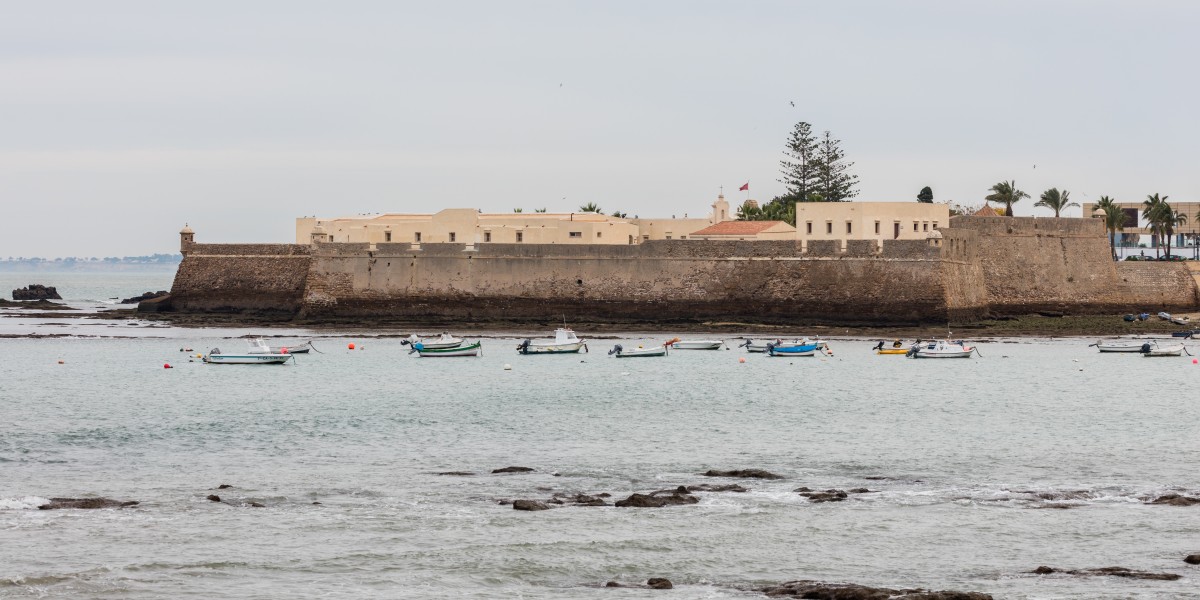
Santa Catalina Castle (Cádiz)
Located next to La Caleta beach, Santa Catalina Castle is one of Cádiz’s most recognisable landmarks. It was built between the late 16th and early 17th centuries following the Anglo‑Dutch attack on the city, with the aim of strengthening its defensive system.
Over the years, it has served various purposes, including as a military prison. Today, far removed from its original function, the site has been transformed into a cultural space open to the public.
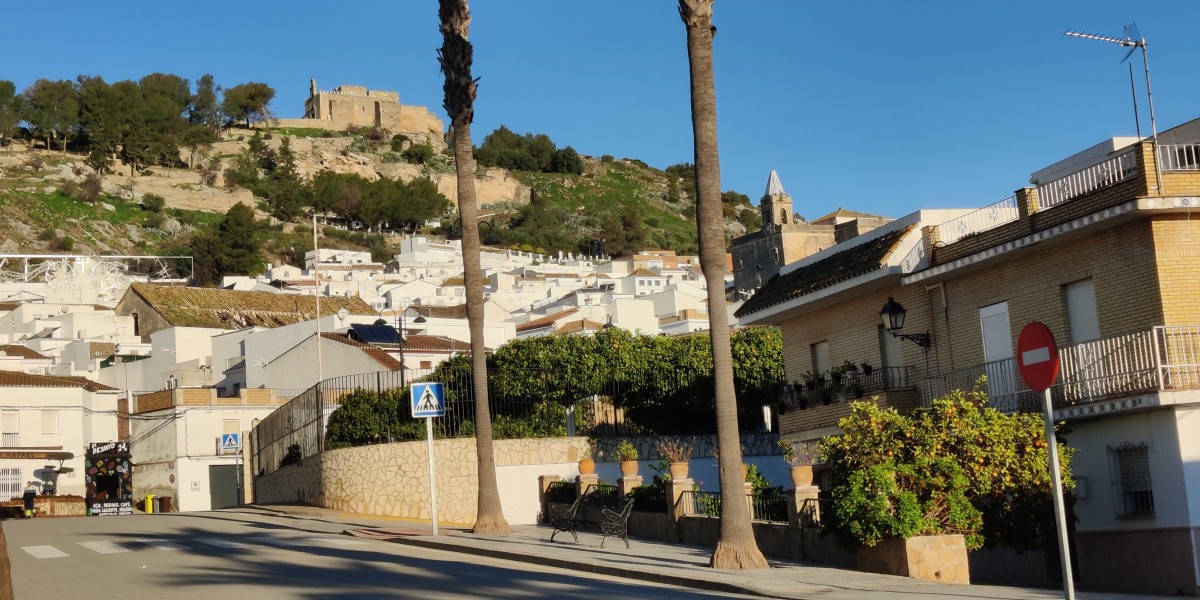
Fatetar Castle (Espera)
Perched on a hill overlooking Espera, the remains of Fatetar Castle stand as a testament to the area’s Andalusian past. While there is evidence of earlier occupation, the site was consolidated as a defensive stronghold in the 10th century under Muslim rule.
Following the Christian conquest, the castle retained its strategic importance, although it gradually declined over time and suffered significant damage, particularly after the Lisbon earthquake in the 18th century.
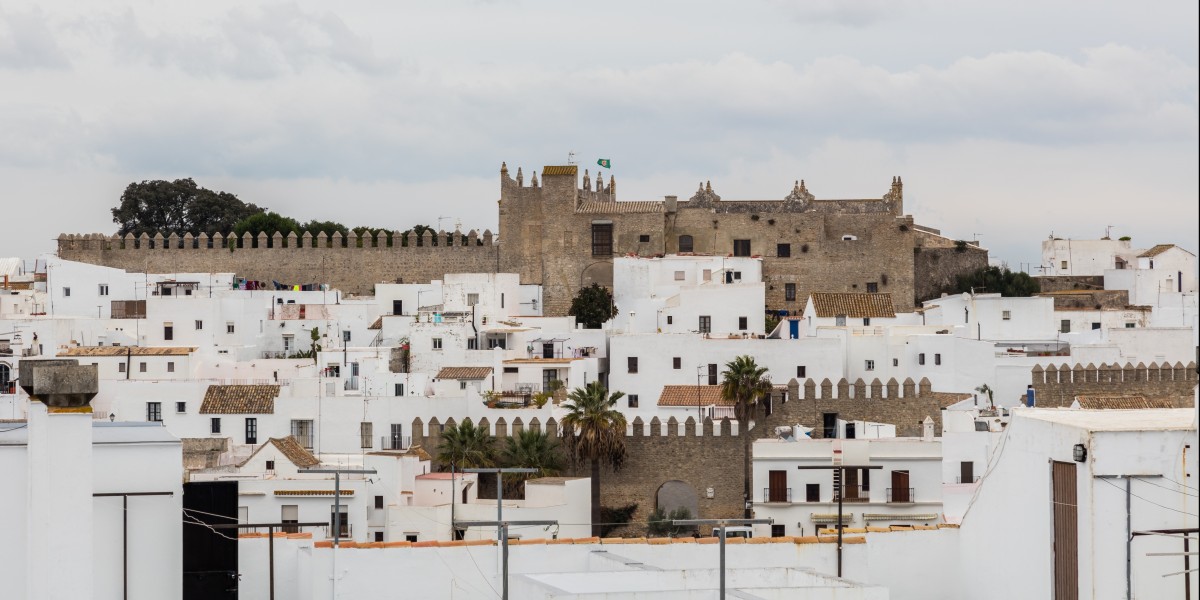
Vejer de la Frontera Castle
Vejer de la Frontera, one of the most emblematic white villages in Cádiz, preserves a remarkable defensive complex integrated into its historic centre. At the town’s highest point stands its castle, of Islamic origin, built between the 10th and 11th centuries as part of the walled enclosure that protected the settlement.
After the town was incorporated into the Crown of Castile, the fortress passed through various noble families and was adapted to new uses. Today, it forms part of the urban fabric and offers sweeping panoramic views over the surrounding countryside.
- Property for sale in Vejer de la Frontera
- Long-term rentals in Vejer de la Frontera
- Holiday homes in Vejer de la Frontera
Olvera Castle
Dominating the skyline of Olvera, the castle rises on a rocky outcrop more than 600 metres above sea level. Built in the 12th century during the Nasrid period, it formed a key part of the defensive system against the advancing Christian kingdoms. Its irregular layout adapts closely to the natural rock on which it stands.
Following the Christian conquest in the 14th century, the fortress retained its strategic importance as a defensive stronghold. Today, visitors can explore its parade ground and climb the keep, which offers sweeping views across the Sierra de Cádiz.
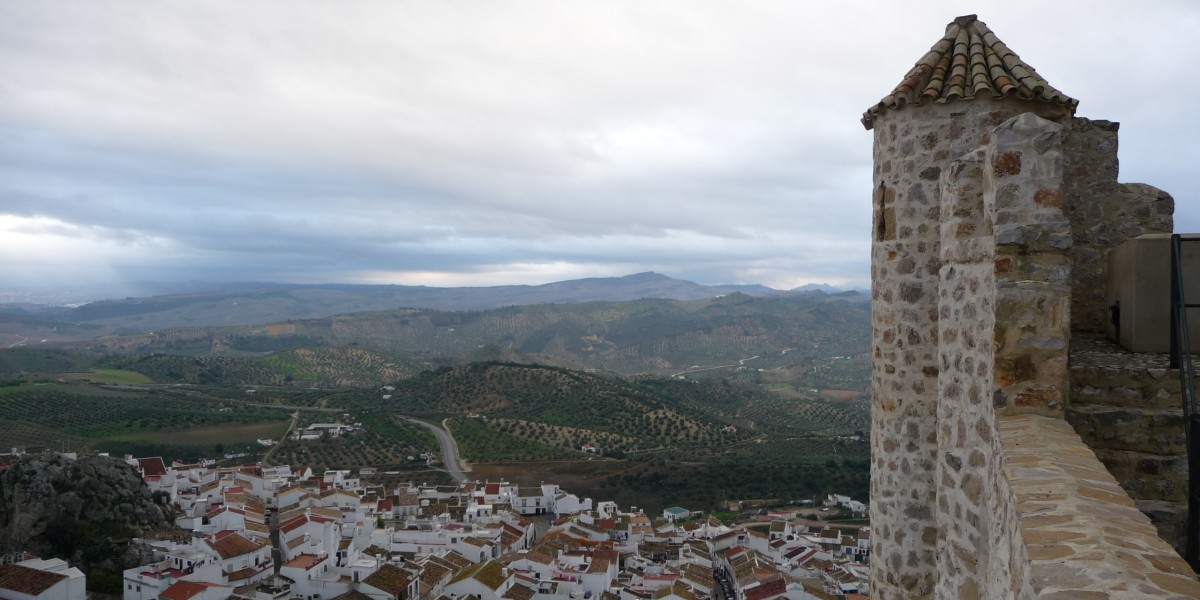
Jimena de la Frontera Castle
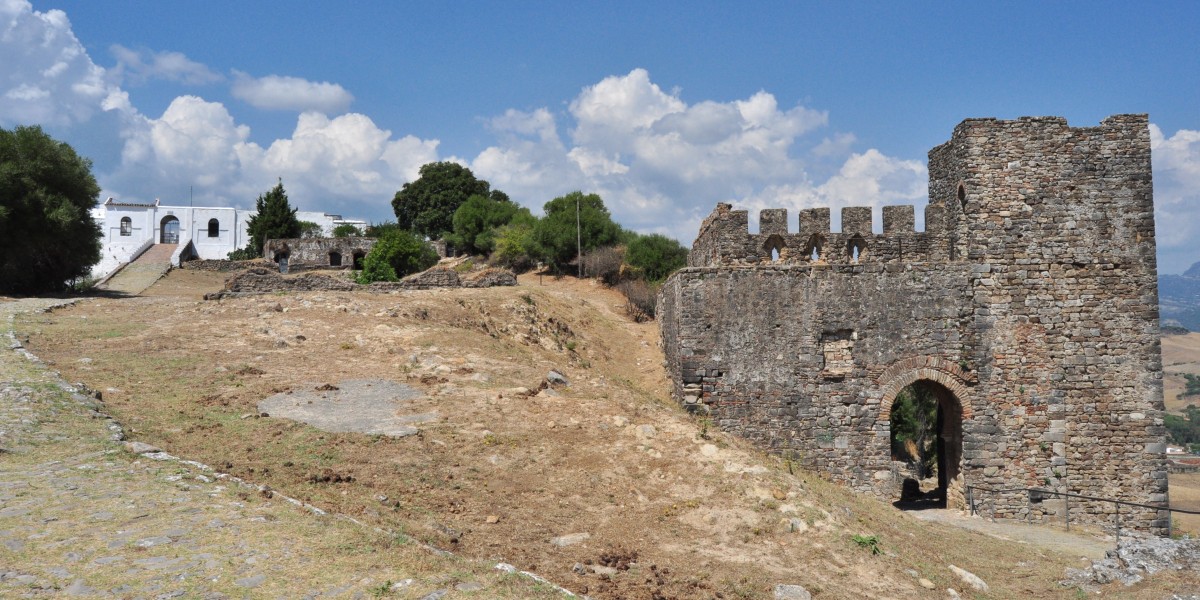
The Castle of Jimena de la Frontera stands on San Cristóbal Hill, in an area that has been inhabited since prehistoric times. The current fortification has Islamic origins – although it was expanded and adapted during later periods.
For centuries, it played a key role in defending the frontier of the Nasrid kingdom. Its walls overlook the Campo de Gibraltar and surrounding mountain ranges – a commanding position that explains its strategic importance.
- Property for sale in Jimena de la Frontera
- Long-term rentals in Jimena de la Frontera
- Holiday homes in Jimena de la Frontera
Arcos de la Frontera Castle
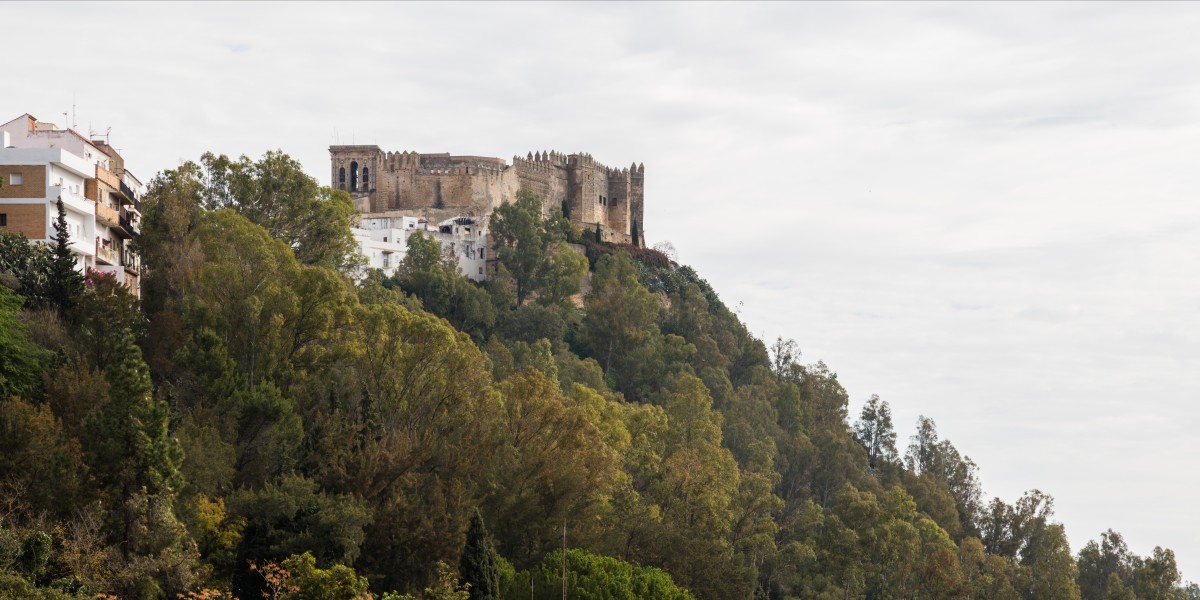
At the highest point of the old town of Arcos de la Frontera stands its castle, originally a Muslim fortress dating back to the 11th century. Following the Christian conquest, it was converted into a stately residence, particularly during the 14th and 15th centuries. Perched on a rocky outcrop, it serves as a natural viewpoint overlooking the Guadalete Valley.
Although it is now privately owned and access is restricted, its crenellated silhouette remains a defining feature of the town’s historic skyline. Throughout its history, the fortress has also fulfilled military functions, reflecting its strategic position.
- Property for sale in Arcos de la Frontera
- Long-term rentals in Arcos de la Frontera
- Holiday homes in Arcos de la Frontera
Santiago Castle (Sanlúcar de Barrameda)
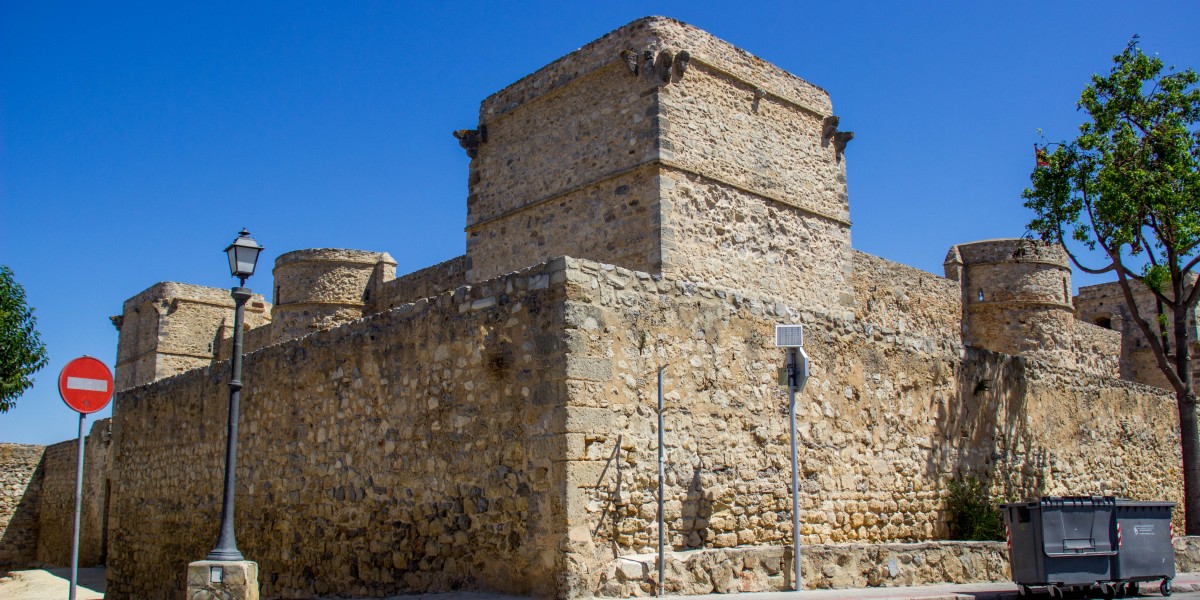
Santiago Castle in Sanlúcar de Barrameda was commissioned in the 15th century by the powerful House of Medina Sidonia. Positioned on elevated ground, it allowed control over the mouth of the Guadalquivir River – a strategic point for maritime traffic to Seville and later to the Americas.
Over the centuries, it has hosted significant historical events and served at times as a residence for notable figures. Following periods of decline and neglect, the castle has been carefully restored and is now open to the public.
- Property for sale in Sanlúcar de Barrameda
- Long-term rentals in Sanlúcar de Barrameda
- Holiday homes in Sanlúcar de Barrameda
Guzmán el Bueno Castle (Tarifa)
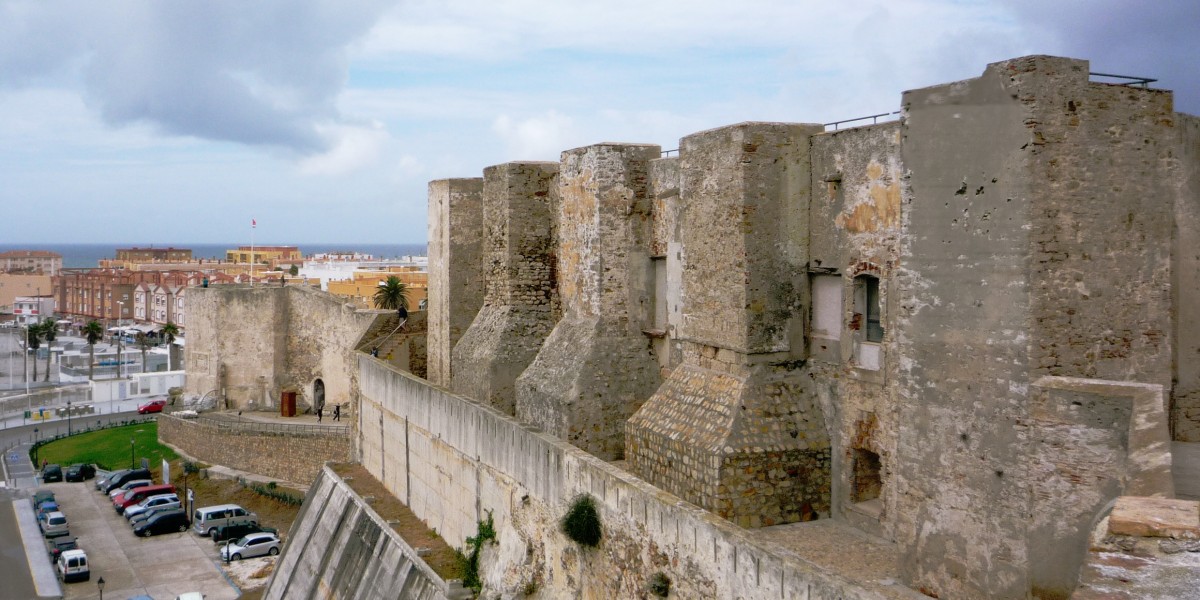
Guzmán el Bueno Castle overlooks the city of Tarifa – the southernmost point of the Iberian Peninsula. Its origins date back to the 10th century, when it was built during the Caliphate of Córdoba. It later passed into Christian hands and became a key stronghold for controlling and defending the Strait of Gibraltar.
Its name is linked to Guzmán el Bueno, the central figure in a well‑known medieval legend associated with the fortress's defence. From within its walls, visitors can enjoy sweeping views of the sea and, on clear days, of the North African coastline.