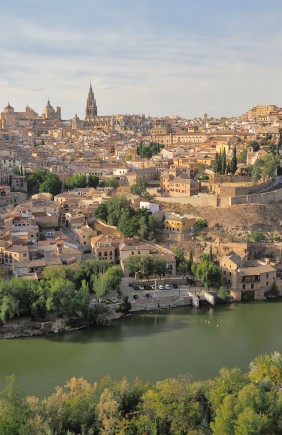
When we think of nature in Spain, mountains, cliffs and beaches often come to mind – yet beneath these landscapes lies a lesser-known world of underground galleries, hidden rivers and remarkable geological formations that can be explored on foot. Caves may not always top travel lists – but they offer some of the country’s most memorable experiences. Here are some of the best cave routes in Spain.
Valporquero Cave (León)
In the village of Valporquero de Torío, in the province of León, lies one of Spain’s most renowned show caves. The standard route extends for more than one kilometre – passing through a series of vast chambers.
The well-maintained and clearly signposted path allows visitors to walk among stalactites, flowstones and limestone formations shaped by water over thousands of years. Temperatures remain around 7°C throughout the year – making a jacket advisable even in summer.
- Property for sale in the province of León
- Long-term rentals in the province of León
- Holiday homes in the province of León
Gruta de las Maravillas (Huelva)
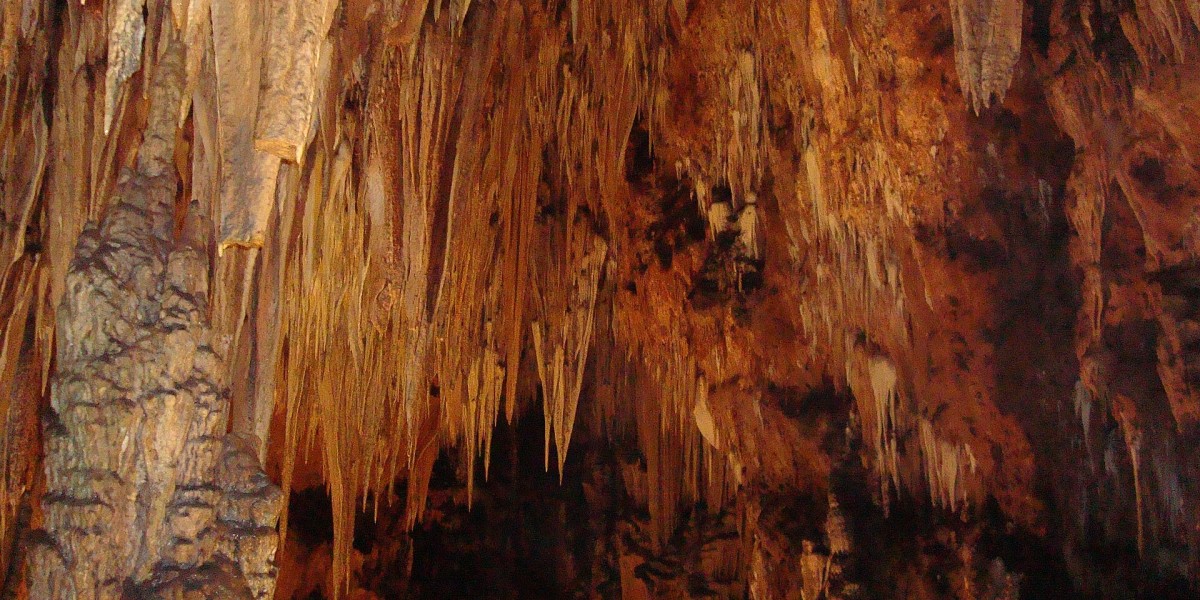
In Aracena, in the heart of the Sierra de Huelva, the Gruta de las Maravillas (Cave of Wonders) offers a 1.2-kilometre guided route – passing through galleries, underground lakes and chambers of notable geological interest.
It was one of the first caves in Spain opened to visitors – and stands out for the constant presence of water, which creates striking reflections on ceilings and walls. The route is well maintained and accessible – making it suitable for most visitors.
Nerja Cave (Málaga)
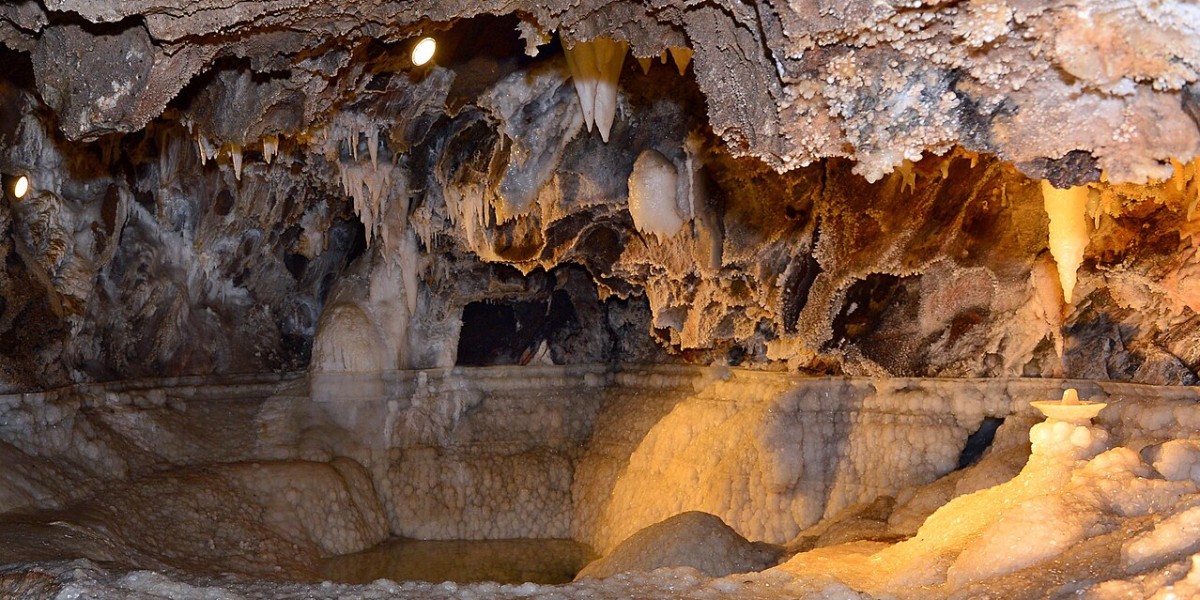
The Nerja Cave, on the eastern coast of Málaga, features nearly five kilometres of galleries – a significant portion of which can be explored on foot via paths and walkways.
The route passes through vast chambers with high ceilings – including the renowned Hall of the Cataclysm, home to one of the world’s largest natural columns. The visit is comfortable and well-adapted for the public, while also offering archaeological interest, as prehistoric remains have been discovered inside.

Soplao Cave (Cantabria)
Located between Herrerías, Valdáliga and Rionansa – not far from San Vicente de la Barquera in western Cantabria – El Soplao Cave stands out for its eccentric formations, which grow in unusual and striking directions.
The visitor route begins with a short journey on a mining train – taking you to the main gallery. From there, a well-designed walking path allows you to explore former mining areas alongside natural chambers – all within a carefully lit and well-maintained environment.
Mendukilo Caves (Navarra)
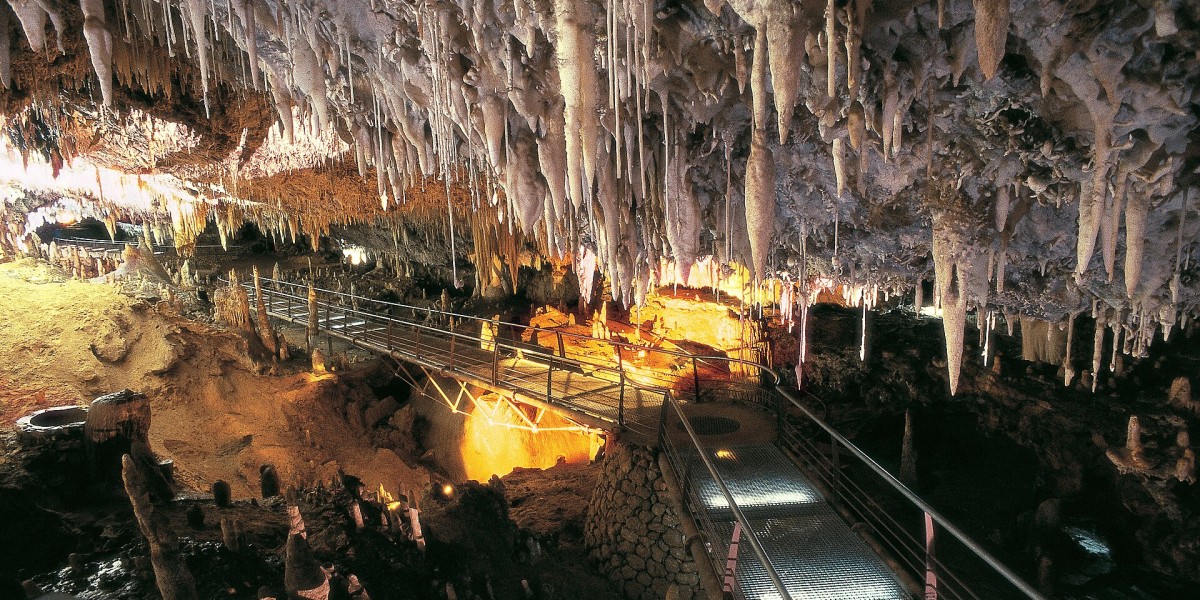
In the Navarrese valley of Larraun – near the village of Astitz – Mendukilo offers a linear route of around 540 metres. The path follows metal walkways suspended above vast chambers – with subtle lighting that leaves some areas in semi-darkness.
The temperature inside remains close to 9°C throughout the year. The guided route is straightforward and accessible – making it well-suited to families. The sense of depth and the quiet of the surroundings create an immersive and authentic exploration experience.
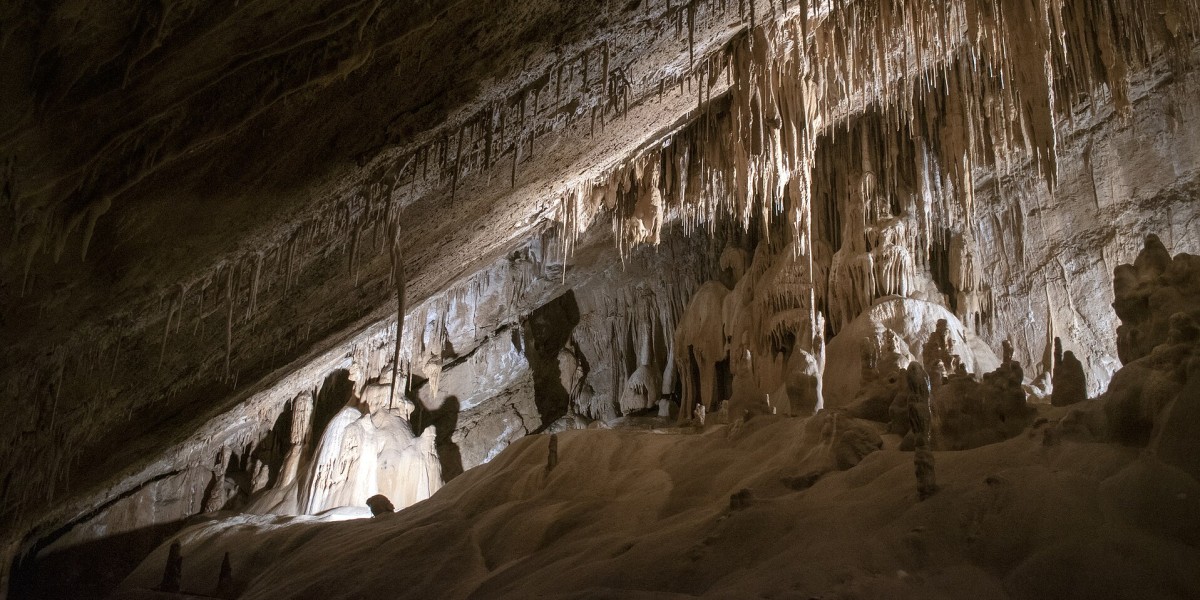
Las Güixas Cave (Huesca)
In Villanúa, in the heart of the Aragonese Pyrenees, the Güixas Cave stands out for its geological value and historical significance. The circular route – around 400 metres in length – allows visitors to observe stalactites, natural chimneys and galleries shaped by water over time.
The tour is guided and accessible – with explanations covering both the cave’s formations and its historical uses, as well as its links to local legends. At the end of the route, an outdoor path leads to the resurgence of the underground river.
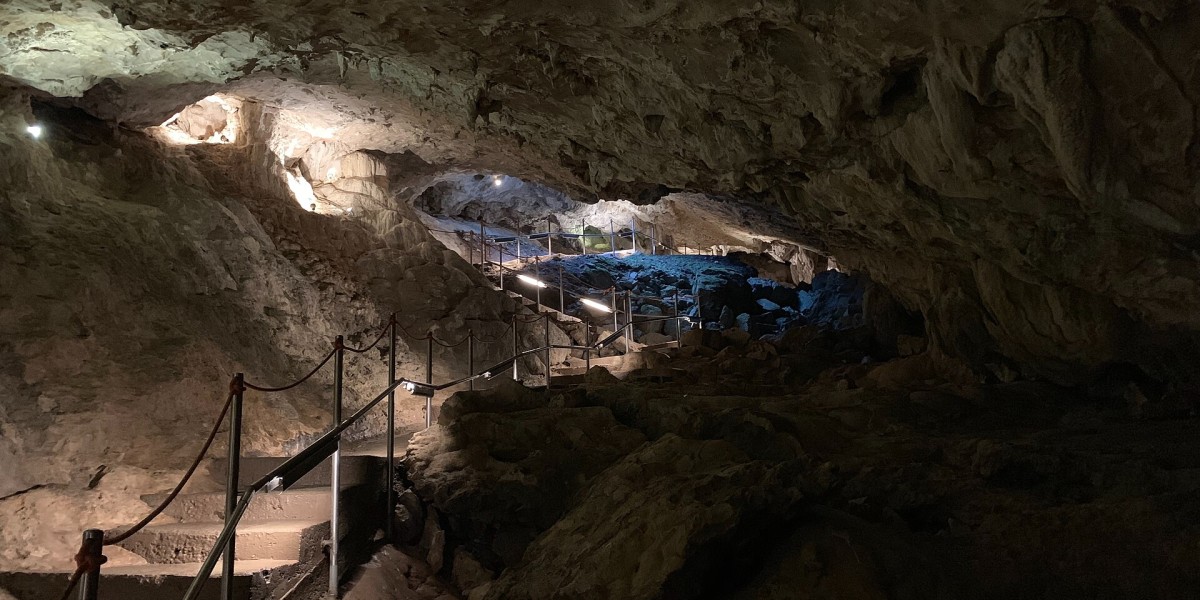
Benifallet Caves (Tarragona)
In the province of Tarragona, along the Ebro River, the Benifallet caves offer several routes, with the Cova de les Meravelles the best known and most adapted for visitors. Discovered in 1968, it features a route of around half a kilometre.
The interior path allows visitors to walk among columns, stalagmites and large flowstone formations – with stairs and handrails ensuring easy access throughout. The cave maintains a constant temperature year-round – making it suitable for visits in any season.
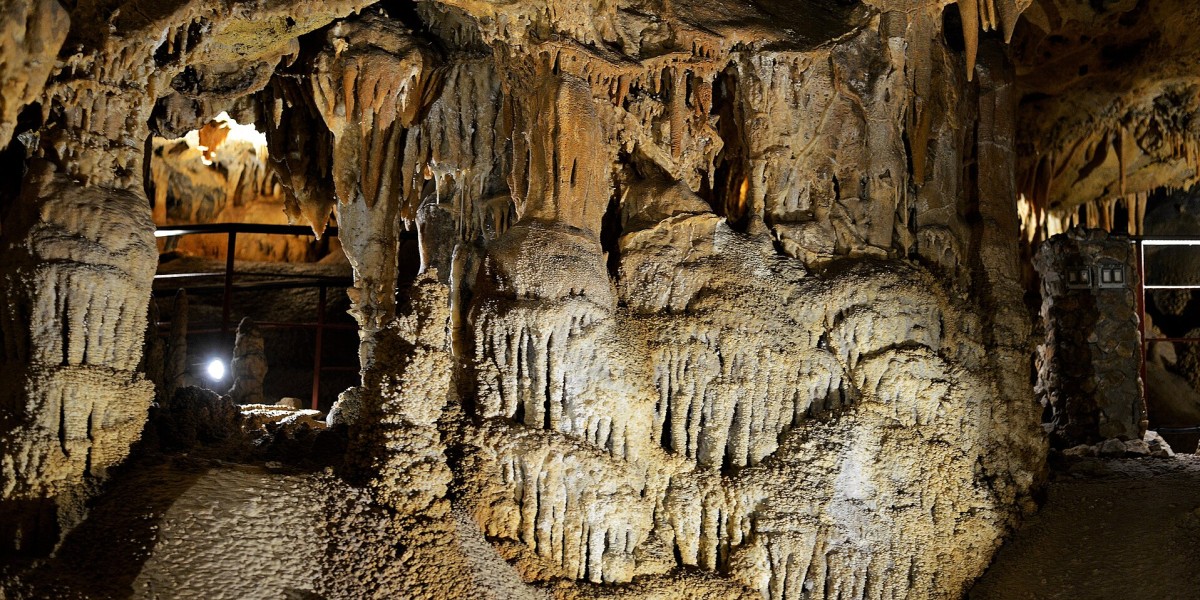
Cueva del Rei Cintolo (Lugo)
In the town of Mondoñedo, the Rei Cintolo Cave is one of the largest in Galicia, with more than seven kilometres of galleries, although only a section is accessible on guided visits.
The route is linear and moderately challenging – designed for those seeking a more immersive caving experience. It passes through areas featuring an underground river and vast chambers carved into slate and limestone. Suitable footwear is recommended, as visitors should be prepared for a more natural, less adapted environment.