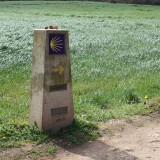
The Portuguese Way is one of the main pilgrimage routes to Santiago de Compostela and has become an increasingly popular alternative for those seeking heritage, Atlantic scenery, gastronomy and a route steeped in Jacobean tradition. Its various starting points make it suitable for both short breaks and longer pilgrimages.
History of the Portuguese Way
The Portuguese Way became established as one of the main pilgrimage routes to Santiago de Compostela during the Middle Ages. Although devotion to St James spread following the discovery of the apostle's tomb in the 9th century, the connection between Portugal and Galicia gained particular significance through the journeys of kings, nobles, religious figures, merchants and pilgrims.
The route's importance grew especially during the 12th and 13th centuries, alongside the consolidation of the Kingdom of Portugal and the development of roads, hospitals and accommodation for travellers. Among the historical figures most closely associated with the route is Queen Isabella of Portugal, who undertook a pilgrimage to Santiago de Compostela in the 14th century.
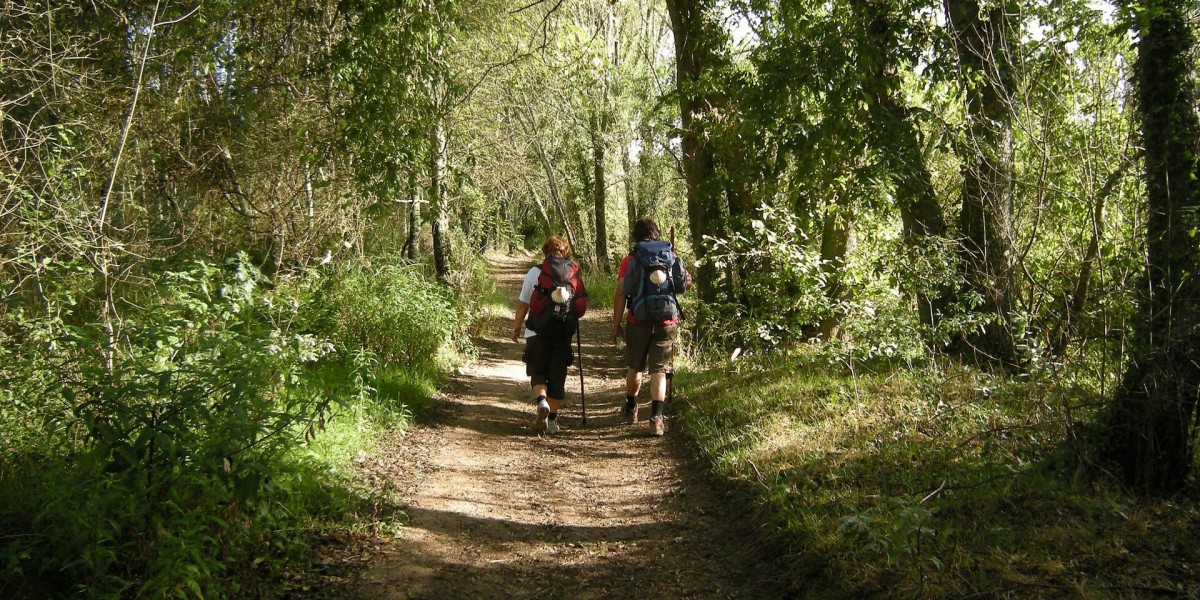
How many kilometres long is the Portuguese Way?
The length of the Portuguese Way depends on the chosen starting point. The full route from Lisbon covers more than 600 kilometres, while the route from Porto is around 240 kilometres via the inland route. There is also a coastal variant that follows the Atlantic shoreline and covers a similar distance.
For those with less time available, the most popular starting point is Tui, in the province of Pontevedra. The distance between this border town and Santiago de Compostela is approximately 115 kilometres.
Portuguese Way from Porto
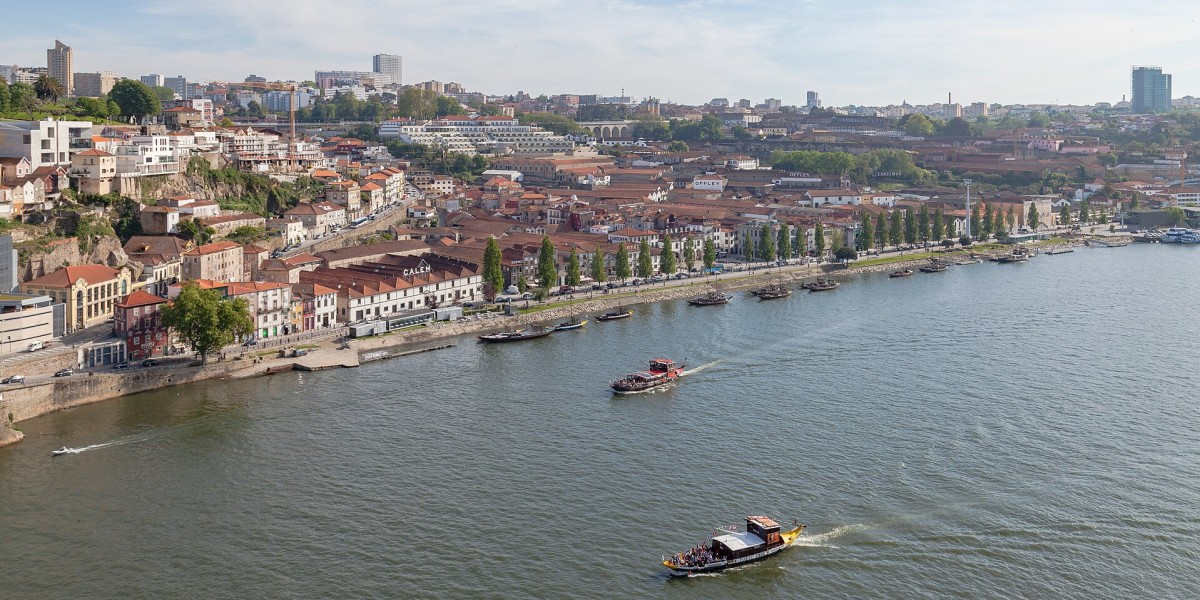
The Portuguese Way from Porto is one of the most popular options for pilgrims looking to complete the route in around two weeks. Starting in Portugal's second-largest city, pilgrims can choose between the inland route and the coastal variant.
The route crosses Portugal from south to north before entering Galicia at different points depending on the chosen itinerary. Typical stops include Barcelos, Ponte de Lima, Valença do Minho and Tui.
Portuguese Way from Tui
The Portuguese Way from Tui is the most popular choice for those wishing to complete the minimum distance required to obtain the Compostela certificate. Its approximately 115 kilometres are usually completed over five or six days.
The main route passes through O Porriño, Redondela, Pontevedra, Caldas de Reis and Padrón before reaching Santiago de Compostela. The coastal variant enters Galicia via A Guarda and continues through Oia, Baiona, Vigo, Redondela and Pontevedra, where it joins the traditional route to Santiago.
What are the seven stages of the Portuguese Way?
One common way to organise the Portuguese Way from Tui is to divide its approximately 115 kilometres into seven shorter stages. This approach allows walkers to maintain a relaxed pace while taking time to explore the towns and villages along the route.
These are the seven indicative stages of the Portuguese Way from Tui:
- Tui – O Porriño: Starting at the Cathedral of Santa María de Tui, this stage leads through the Galician countryside, combining local roads, footpaths and wooded areas.
- O Porriño – Redondela: A moderately demanding stage featuring rolling terrain and a mixture of rural landscapes and small settlements.
- Redondela – Pontevedra: The route continues north along country tracks, woodland paths and traditional villages in the province of Pontevedra.
- Pontevedra – Caldas de Reis: This stage passes through landscapes of estuaries, vineyards and villages, including Ponte Cabras and Barro.
- Caldas de Reis – Valga: A shorter stage that follows woodland paths, rural roads and small villages.
- Valga – Padrón: Pilgrims approach the Sar region, closely linked to the Jacobean tradition. Padrón holds a prominent place in the legend surrounding the transfer of the remains of St James.
- Padrón – Santiago de Compostela: The final stage passes through Iria Flavia, A Escravitude and O Milladoiro before reaching Santiago.

What is the toughest stage of the Portuguese Way?
There is no definitive answer, as difficulty depends on factors such as fitness level, weather conditions, backpack weight and stage planning. On the Portuguese Way from Tui, the O Porriño to Redondela stage is often regarded as one of the most demanding because of its elevation changes and accumulated fatigue.
For pilgrims beginning in Porto or Lisbon, the longer stages and climbs in northern Portugal, particularly around Ponte de Lima, can present a greater challenge.
The Portuguese Way by bike
The Portuguese Way can also be completed by bicycle, making it possible to cover the route in less time. However, careful planning is essential, along with a bicycle suitable for a combination of tracks, paths and paved roads. Mountain bikes and gravel bikes are generally the most practical choices.
Cyclists should note that not all sections designed for walkers are comfortable or suitable for bicycles. To obtain the Compostela certificate as a cyclist, it is necessary to complete at least the final 200 kilometres of an officially recognised pilgrimage route and have the pilgrim passport stamped along the way.