Spain’s major mainland cities tend to lead the conversation around urban life, jobs and relocation. Yet Oxford Economics’ 2026 Global Cities Index puts an island capital ahead of them all in its environmental category.
The result is particularly striking beside northern European names often associated with sustainability. This Spanish city is ahead of Dublin and just behind Stockholm among 1,000 cities assessed worldwide.
Spanish city ranks eighth worldwide for environment
The city of Santa Cruz de Tenerife is ranked eighth globally for environment in the 2026 Global Cities Index, placing it as Spain’s highest-ranked city in this specific category.
That does not automatically make Santa Cruz “Spain’s greenest city” in every possible sense. Oxford Economics’ environmental score is a defined part of its wider index, rather than a catch-all verdict on sustainability.
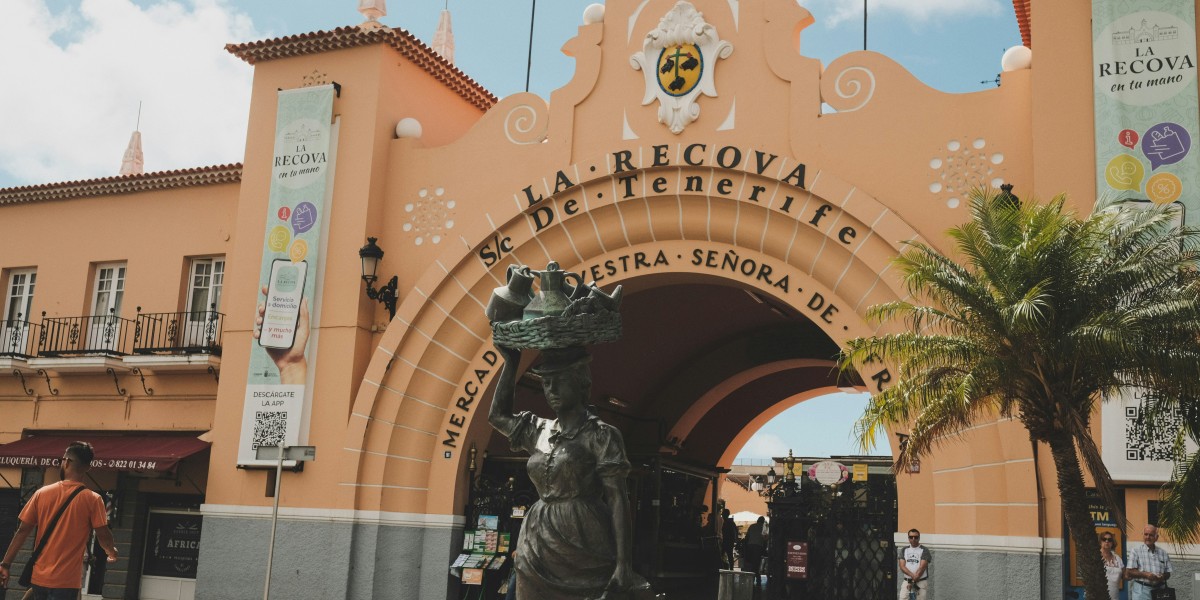
Still, an eighth-place global result puts the capital of Tenerife in rare company and adds useful context for people comparing the best cities for the environment in Spain.
For international residents, the city’s setting is a big part of its appeal. Santa Cruz sits on Tenerife’s north-eastern coast, with the Atlantic close at hand and the Anaga Rural Park rising behind the urban area.
Daily practicalities in Santa Cruz de Tenerife
Living in Santa Cruz de Tenerife is more straightforward for people who want an urban base than for those expecting a beach resort on the doorstep. Central areas are walkable for day-to-day errands, though the city’s slopes, spread-out neighbourhoods and wider island geography mean that cars remain useful for many residents.
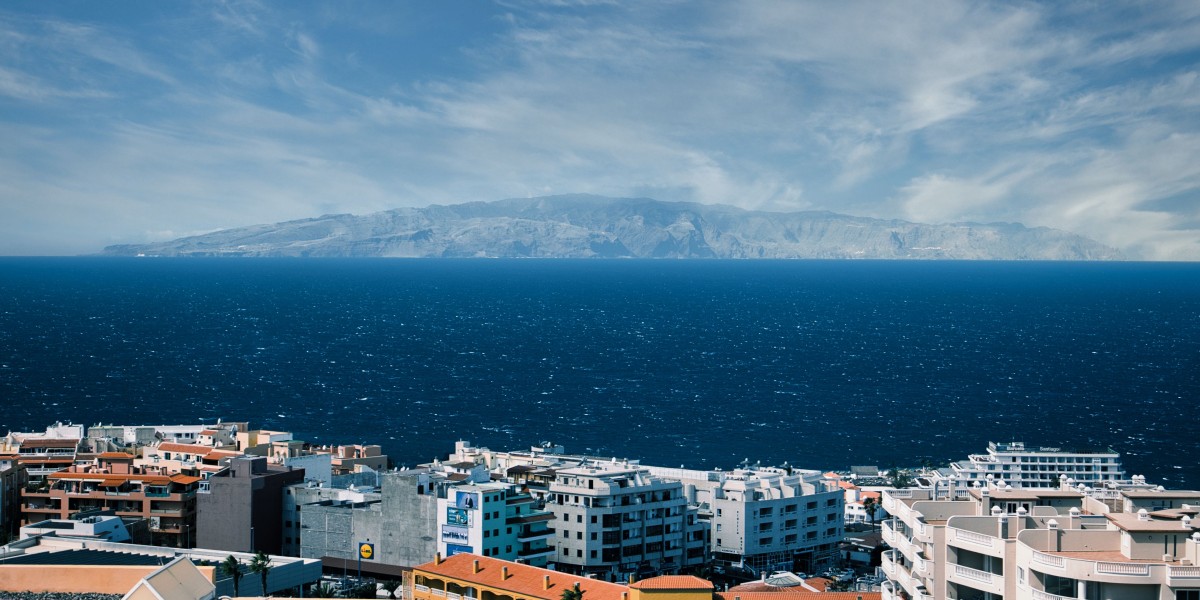
The weather is one reason Tenerife remains popular for digital nomads. Santa Cruz tends to have mild conditions through the year, while its coastal location avoids some of the heavier heat felt in inland mainland Spain during summer. Microclimates are a real part of Tenerife life, and temperatures, wind and cloud cover can differ noticeably across short distances.
Housing and everyday costs in Santa Cruz
Housing is one of the clearest pressures behind the postcard image. In August 2026, average property prices in Santa Cruz de Tenerife stood at €2,835 per m².
- An 80 m² flat at the city average would cost around €226,800 before purchase taxes and fees.
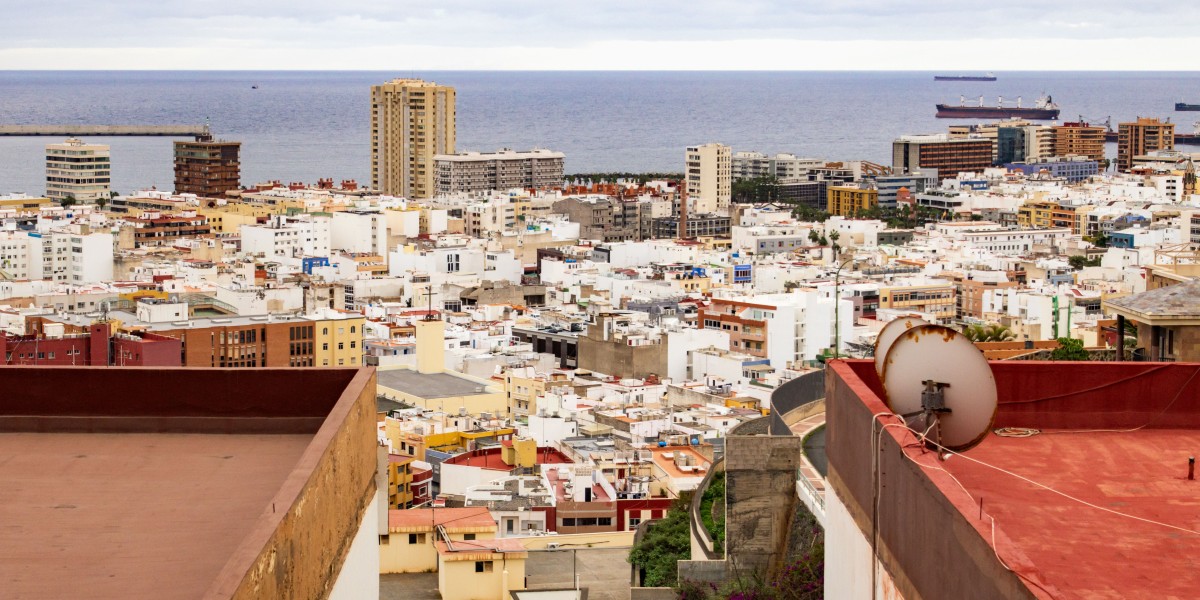
Average rent prices in Santa Cruz de Tenerife were €14.1 per m² in August 2026. That puts an 80 m² flat at about €1,128 per month, excluding bills.
Numbeo estimates basic utilities for an 85 m² flat at around €114 per month. Actual costs vary with the building, air-conditioning use and household size.
Santa Cruz compared with Las Palmas and mainland Spain
Among the best places to live in the Canary Islands, Santa Cruz de Tenerife and Las Palmas de Gran Canaria are the two largest city options. Both combine island weather with urban infrastructure, but their feel differs according to neighbourhood, work arrangements and preferred pace.
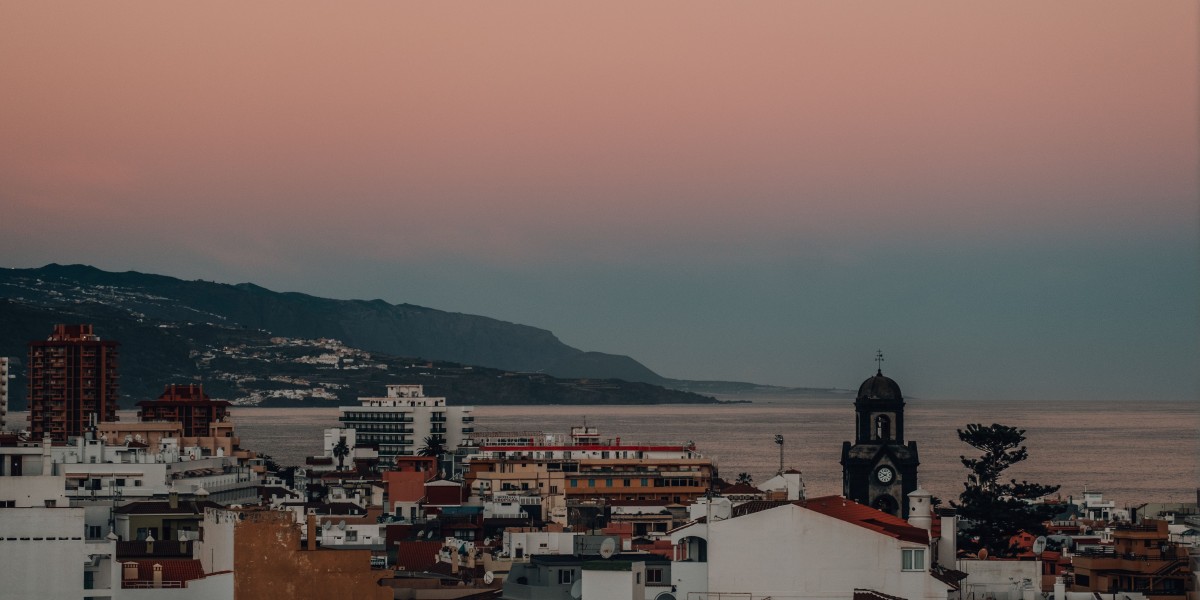
Las Palmas has a more beach-centred urban identity around Las Canteras, while Santa Cruz feels more administrative and commercial. The tram link to La Laguna also gives Santa Cruz residents easy access to a university city and historic centre.
Compared with Madrid, Barcelona or Valencia, Santa Cruz trades big-city scale for a milder climate and easier access to the sea and mountains. The compromise is distance, as flights are essential for mainland travel and some goods or services can cost more on an island.
Stay in the know about living in Spain as a foreigner—get our weekly newsletter for the latest travel, legal, and lifestyle news.