Autumn is one of the best times to observe how the coastline changes with the movement of the sea. During spring tides, the difference between high and low tide reveals beaches, marshes and sandbanks that remain submerged for much of the day. The Atlantic and Cantabrian coasts are home to some of the most striking locations if you're wondering where to see spring tides in Spain.
What are spring tides?
Spring tides occur when the Sun, Moon and Earth align, a phenomenon that takes place during the new moon and full moon phases. The combined gravitational pull of these celestial bodies creates a greater tidal range, causing high tides to rise higher and low tides to fall lower than usual.
Observing them requires caution. Before walking across a beach, marshland or rocky area, it is advisable to check tide tables, calculate the time available before the tide returns and stay close to safe access points.

As Catedrais Beach (Ribadeo, Lugo)
As Catedrais Beach, in the municipality of Ribadeo, is one of the best-known places to witness the effects of low tide. Its impressive arches, caves and cliffside passageways can only be explored when the sea recedes sufficiently.
Autumn typically brings softer light and fewer visitors than the peak summer season, although access remains regulated on certain dates. To visit As Catedrais Beach, it is essential to plan your visit around low tide and follow official guidance.
Eo River Estuary (Asturias and Galicia)
The Eo Estuary forms a natural border between Galicia and Asturias and is one of the largest intertidal areas in northern Spain. Around Ribadeo, Vegadeo, Castropol and Figueras, the receding tide transforms the landscape, exposing mudflats, channels and marshland.
Autumn spring tides make the contrast between high and low tide particularly noticeable. It is also an excellent area for birdwatching, as these intertidal habitats provide feeding grounds for numerous species.

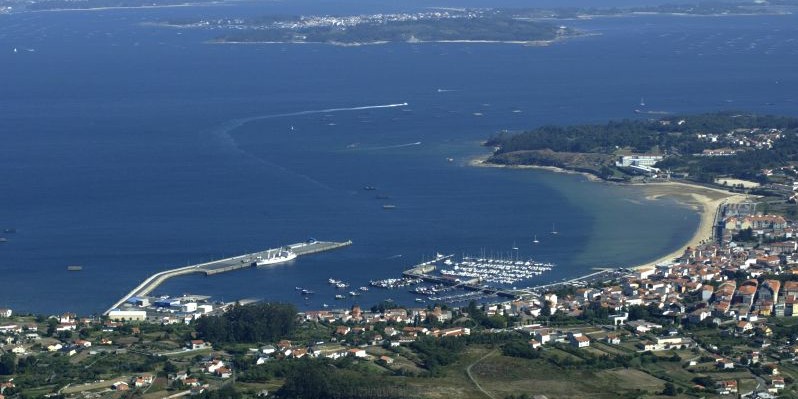
Arousa estuary (Pontevedra and A Coruña)
The Arousa Estuary, shared by the provinces of Pontevedra and A Coruña, encompasses beaches, islands and extensive shellfish-harvesting areas, all shaped by the tidal cycle. At low tide, sandbanks and working areas emerge, offering a clearer view of the activities linked to shellfish farming.
Towns such as O Grove, Cambados, Vilagarcía de Arousa and A Pobra do Caramiñal provide excellent opportunities to experience this constantly changing landscape. The surroundings of A Toxa Island, the O Bao inlet and O Grove's seafront promenades offer particularly good viewpoints.
- Property for sale in Vilagarcía de Arousa
- Long-term rentals in Vilagarcía de Arousa
- Holiday homes in Vilagarcía de Arousa
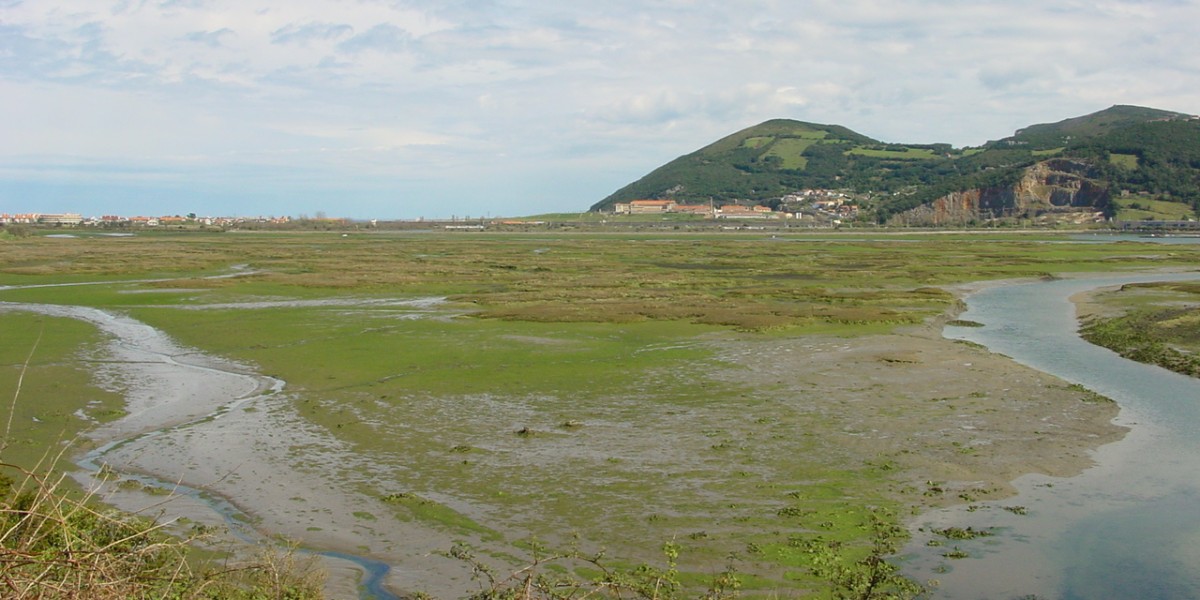
Santoña, Victoria and Joyel Marshes Natural Park (Cantabria)
The Santoña, Victoria and Joyel Marshes are among the most important coastal wetlands in northern Spain. Water continually flows through their channels and waterways according to the tidal cycle, constantly altering water levels, mudflats and salt-tolerant vegetation.
During autumn spring tides, these natural processes become even more evident from the park's trails, viewpoints and boardwalks. Areas around Santoña, Argoños, Noja and Escalante offer excellent opportunities to observe the phenomenon while remaining on designated routes.
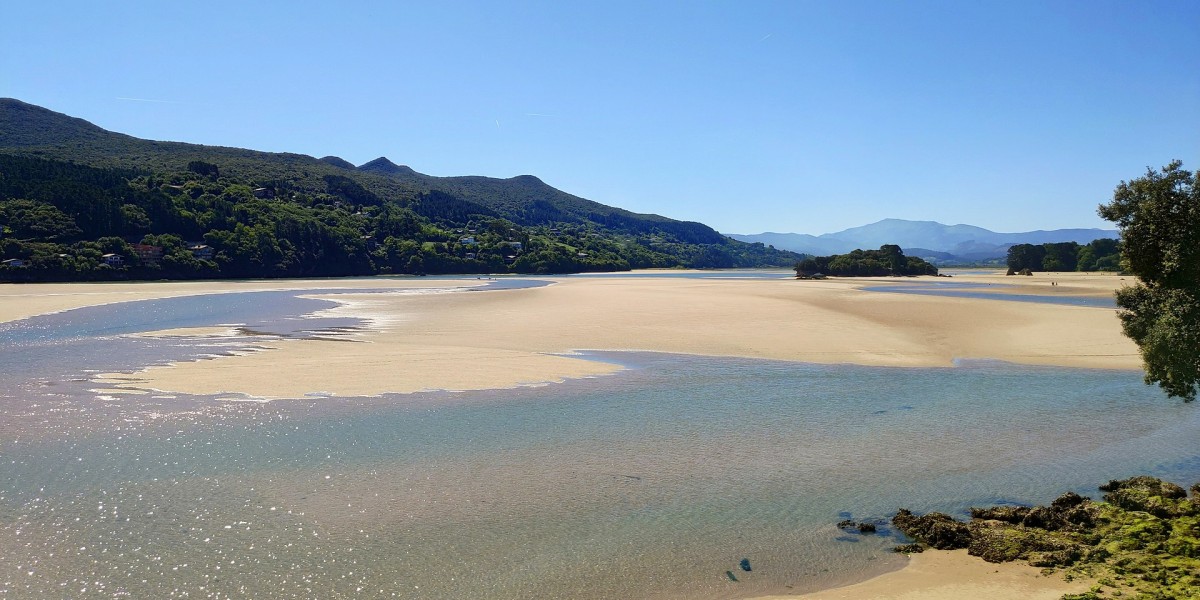
Urdaibai estuary (Bizkaia)
The Urdaibai Biosphere Reserve, centred on the Mundaka Estuary, is another of the Cantabrian coast's most important intertidal landscapes. From the upper reaches of the estuary to its mouth near Laida Beach, high and low tides noticeably transform the appearance of the marshes and sandy areas.
During spring tides, low water exposes large expanses of sediment in locations such as Gautegiz Arteaga, Kortezubi and the area surrounding Gernika-Lumo. As the reserve contains sensitive ecosystems, visitors are encouraged to respect the natural environment.
Odiel Marshes (Huelva)
Further south, at the mouths of the Odiel and Tinto rivers near Huelva, lies an extensive marshland system shaped by Atlantic tides. The Odiel Marshes Natural Area combines channels, salt pans, islands and mudflats that become partially exposed at low tide.
Autumn spring tides accentuate these changes and help illustrate the relationship between the ocean, estuaries and the area's rich biodiversity. The site is particularly convenient to visit thanks to its proximity to the city of Huelva.