Spain boasts numerous cemeteries that transcend their traditional funerary function. While all feature sculptures, mausoleums and tombs, some have become veritable open-air museums. In fact, several are part of the European Cemeteries Route, a cultural itinerary that highlights the continent's funerary heritage. Here are some of the most monumental cemeteries to visit in Spain.
The Almudena Cemetery (Madrid)
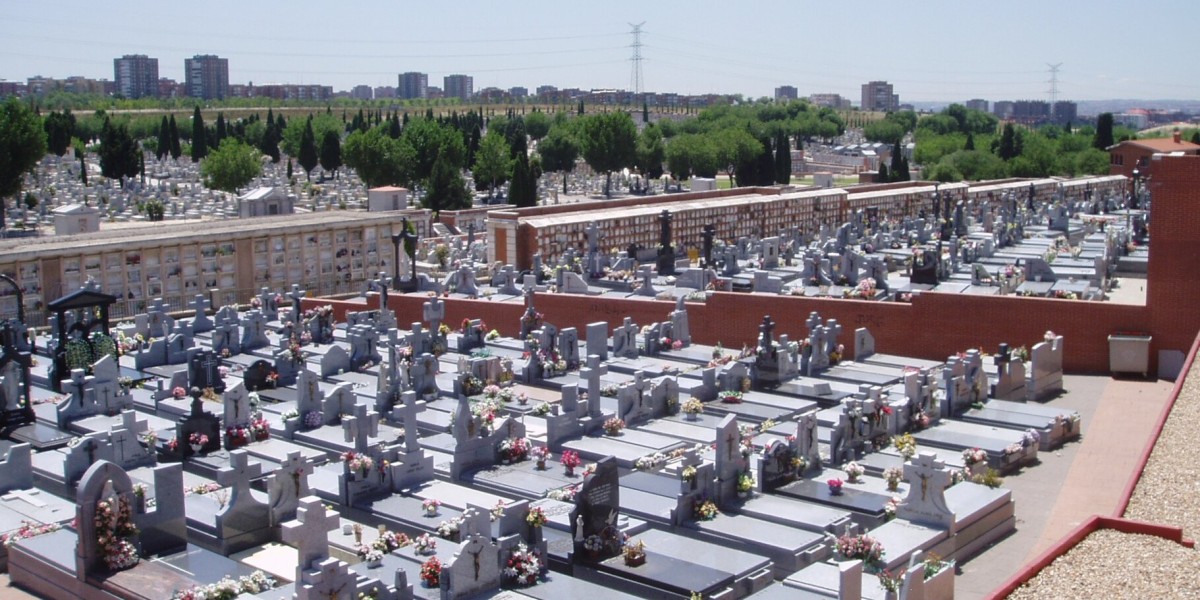
If you're wondering which is the largest cemetery in Spain, the answer is Nuestra Señora de la Almudena Cemetery. Inaugurated in 1884, it is one of the largest cemeteries in Europe, covering approximately 120 hectares.
It boasts a remarkable collection of funerary art from the 19th and 20th centuries, including mausoleums, chapels and monuments in Neo-Gothic, Neoclassical, Eclectic and Modernist styles. Among those buried here are writer Benito Pérez Galdós, neuroscientist Santiago Ramón y Cajal and actress Lola Flores. The cemetery also includes a Jewish burial section.
Montjuïc (Barcelona)
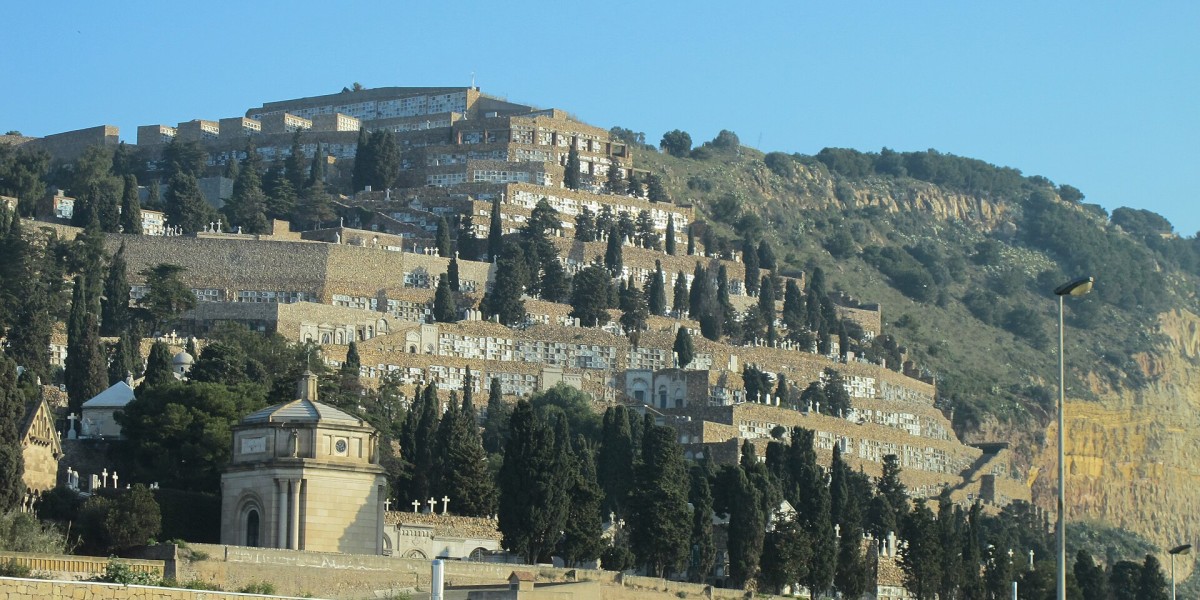
Perched on the slopes of Montjuïc with views of the Mediterranean and the Barcelona skyline, Montjuïc Cemetery is one of Spain's most famous monumental burial grounds. Opened in 1883, its terraced layout adapts to the mountain through stairways, winding paths and platforms.
The cemetery contains grand mausoleums and notable examples of Catalan Modernism. It is also home to an impressive collection of historic funeral carriages. Among the figures buried here are artist Joan Miró, composer Isaac Albéniz, artist Ramon Casas and former Catalan president Lluís Companys.
Poblenou (Barcelona)
Poblenou Cemetery is one of the best places to explore Barcelona's funerary heritage. Founded in the 18th century and expanded during the 19th century, it reflects the wealth and aspirations of Barcelona's bourgeoisie.
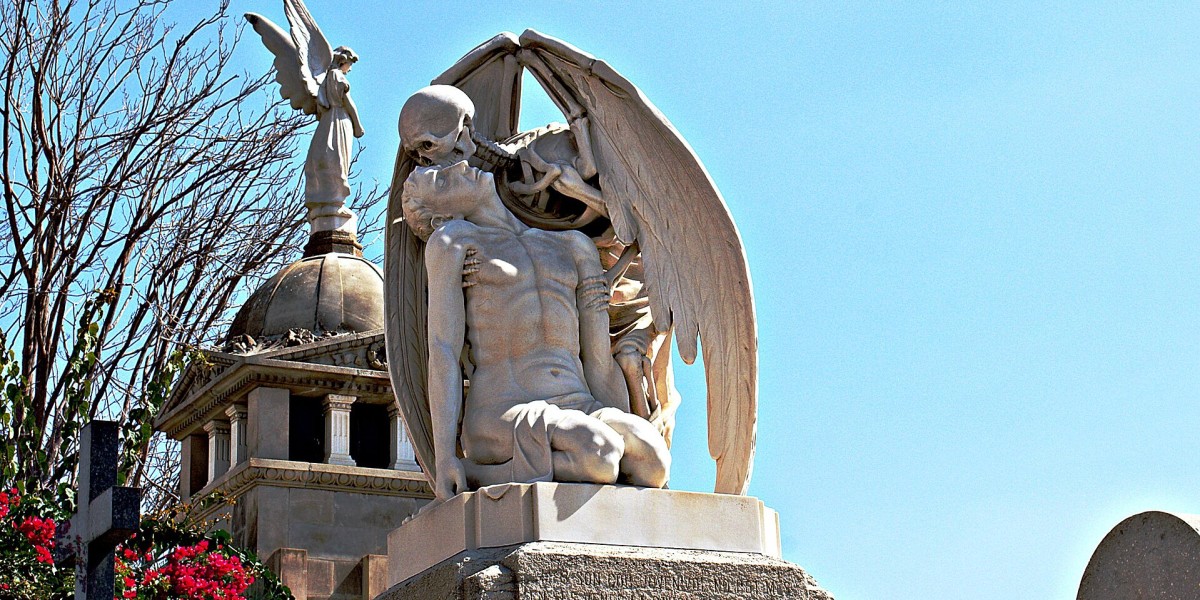
Its collection of mausoleums, sculptures and niches includes one of its most famous works, The Kiss of Death, a sculpture rich in symbolism. Another popular site is the tomb of the so-called "Saint of Poblenou", to whom miracles are attributed.
La Carriona (Avilés)
La Carriona Cemetery, inaugurated in 1890, is home to one of Asturias' finest collections of funerary architecture. It showcases the influence of the "Indianos", emigrants who returned from the Americas with considerable wealth and commissioned elaborate family monuments.
Visitors can admire medieval, Neo-Gothic and eclectic influences alongside sculptures of angels, allegorical figures and religious imagery. The cemetery also has an interpretation centre and guided tours. For many, it's the most beautiful cemetery in Asturias.
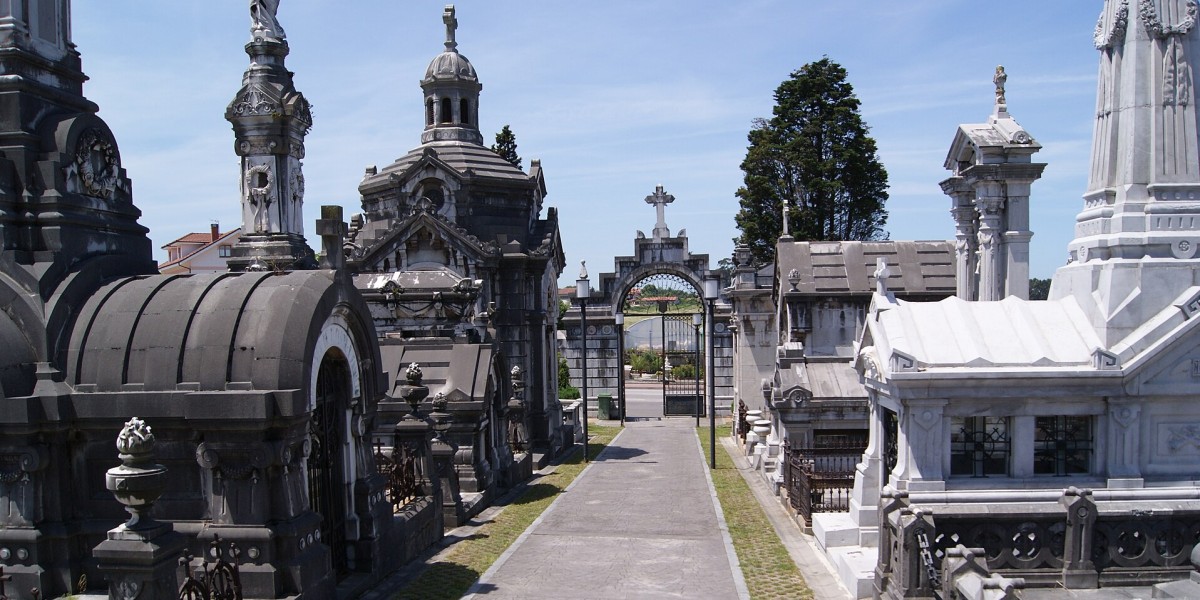
English Cemetery (Málaga)
Also known as St George's Cemetery, Málaga's English Cemetery was established in 1831 to provide a burial place for Protestant foreigners who were living or had died in the city. It is considered Spain's first Protestant cemetery.
Its landscaped setting makes it stand out from many other monumental cemeteries. Walking among its gardens, visitors encounter gravestones, sculptures and monuments inspired by classical, Neo-Gothic and Modernist styles.
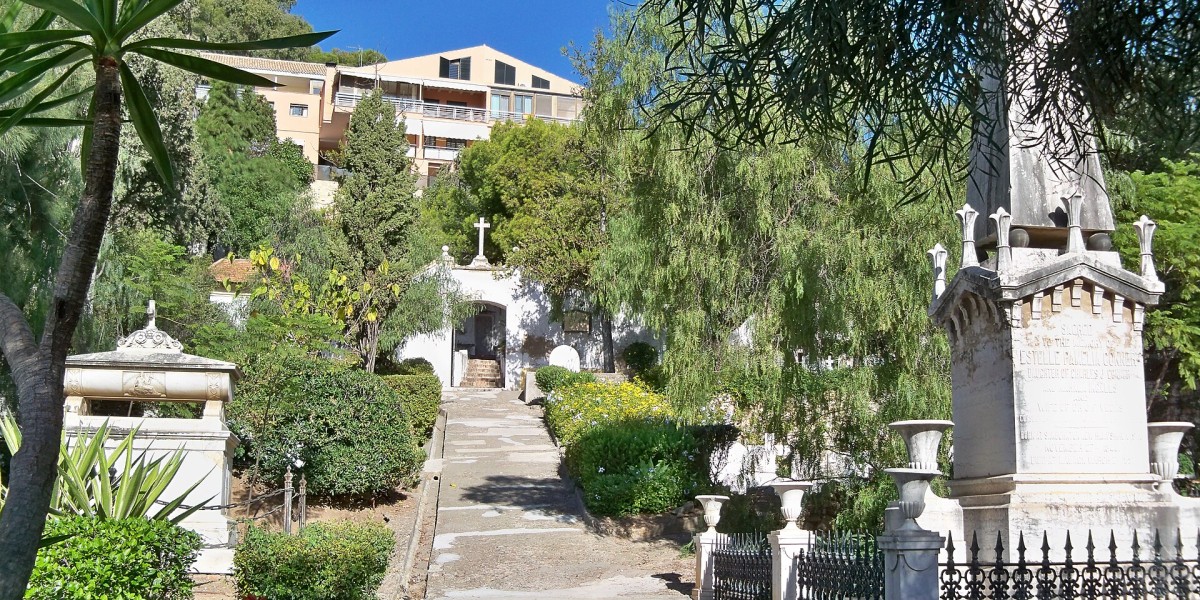
Ciriego (Santander)
Opened in 1893, Ciriego Cemetery is one of the leading examples of late 19th-century funerary art in Cantabria. Its location overlooking the sea adds to its appeal.
Several themed routes help visitors discover its artistic heritage and notable burials. Among them is the celebrated flamenco dancer Carmen Amaya, whose remains rest in the Agüero family pantheon.
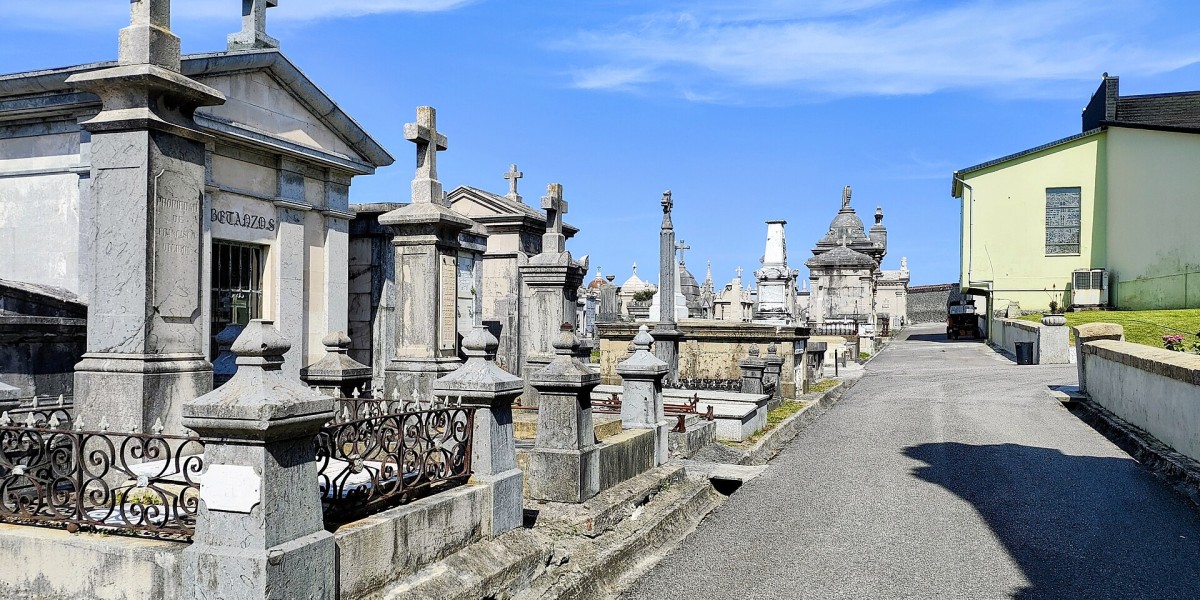
San Amaro (A Coruña)
San Amaro Cemetery, founded in 1813, is one of Galicia's most significant cemeteries. It includes a religious area, a civil section and a British cemetery acquired during the 19th century.
Its monuments feature notable examples of Neoclassical architecture, collective memorials and Celtic symbolism. More than two hundred people linked to the history of A Coruña are buried here, including Conchita Picasso, the younger sister of Pablo Picasso.
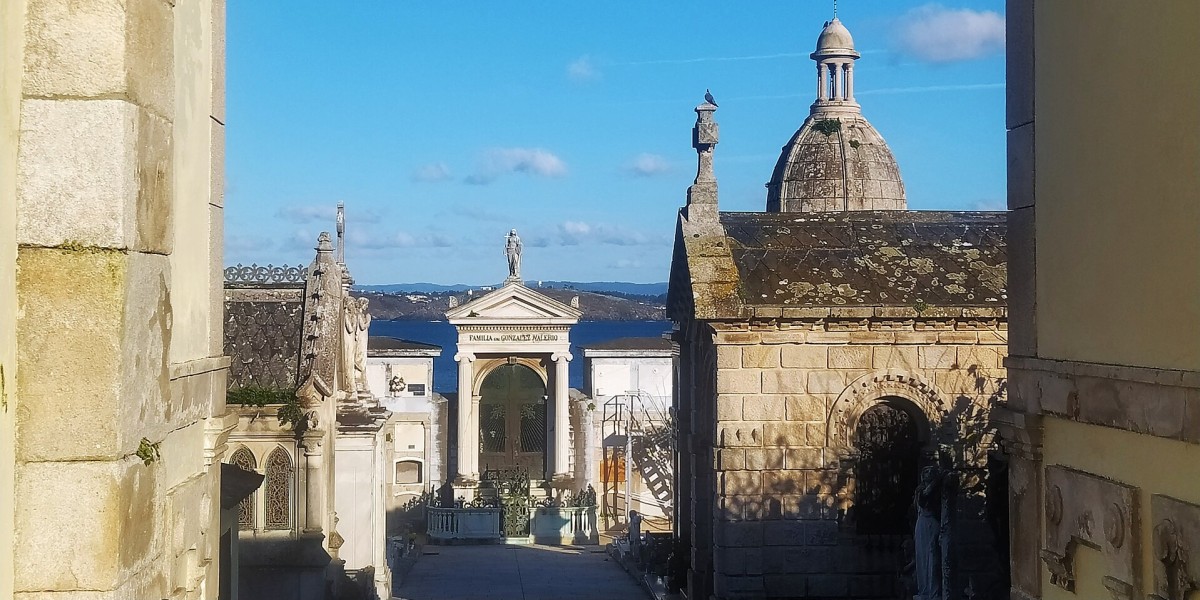
General Cemetery of Valencia
The General Cemetery of Valencia stands out for the diversity of styles represented in its pantheons and mausoleums.
One of its most distinctive monuments is the Llovera family pyramid, an unusual neo-Egyptian structure rarely seen in Spanish cemeteries. Another highlight is the Patio de los Pórticos, also known as the Patio de las Columnas, which features 170 Doric columns built in 1880. The cemetery is also part of the Museo del Silencio project, which offers historical and cultural tours.
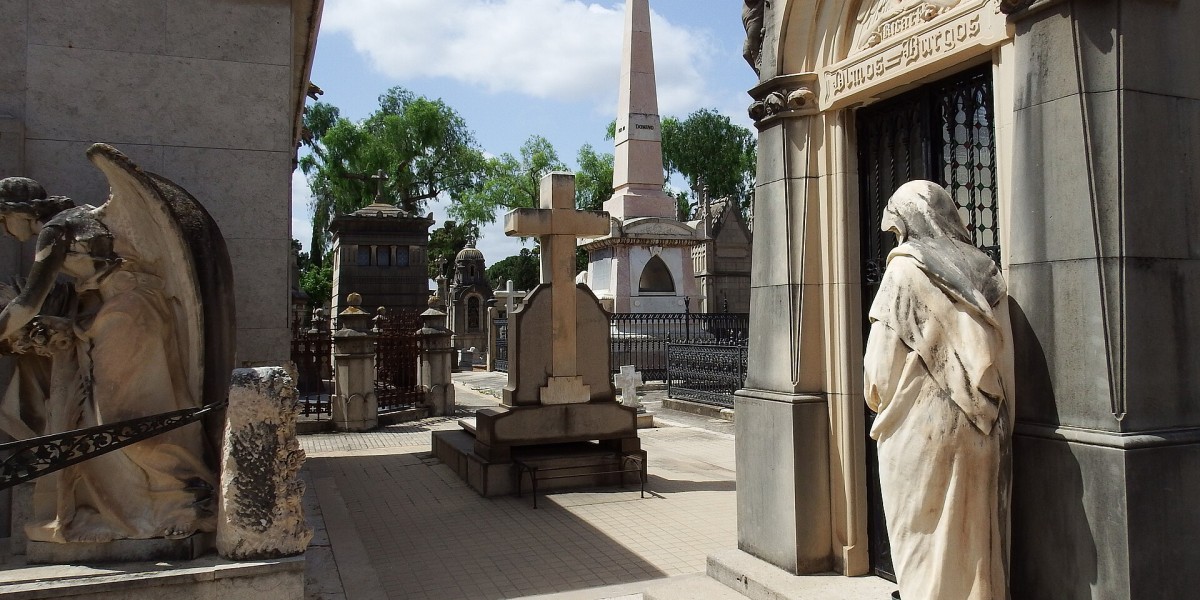
San José (Granada)
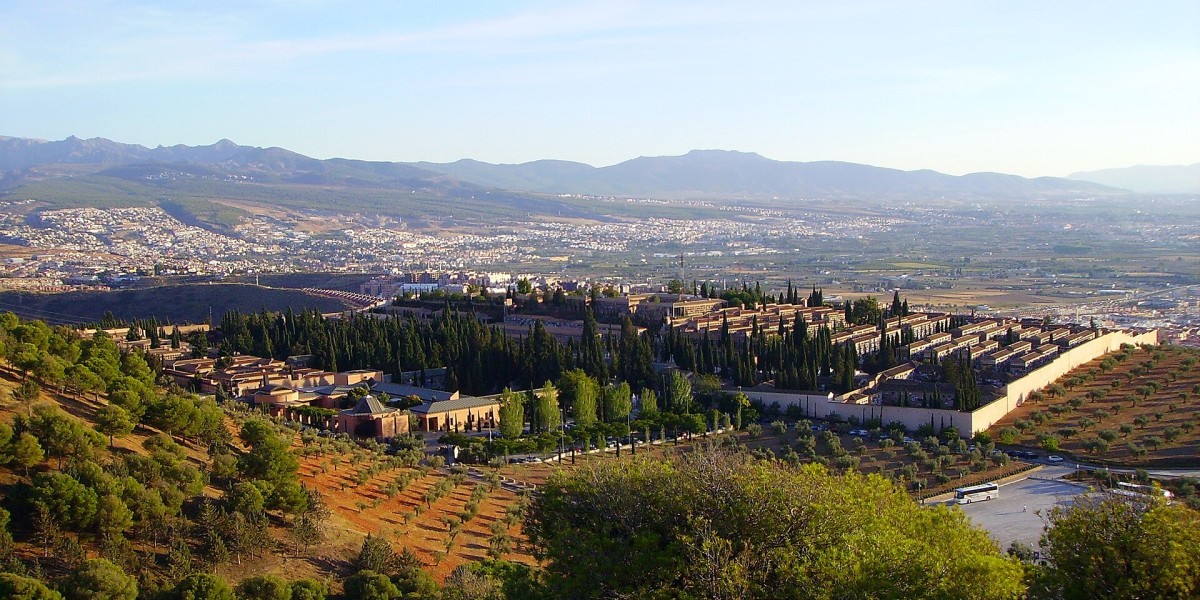
Located within the monumental surroundings of the Alhambra, San José Cemetery, near the Nasrid Palaces, occupies one of the most striking settings of any cemetery in Spain.
Beyond its funerary sculptures and Romanesque-style architecture, the site preserves archaeological remains of great importance. The Patio de San Cristóbal contains remnants of the former Arab palace of Alixares, dating from the 13th and 14th centuries. The combination of funerary heritage and Nasrid history makes it one of Granada's most unique cultural sites.