Spain's waterfalls are at their most spectacular in autumn, when rainfall replenishes rivers after the drier months. It is the ideal time to explore natural landscapes where water once again takes centre stage. Measuring the exact height of a waterfall is not always straightforward. For that reason, this selection brings together some of the tallest waterfalls in Spain, destinations that stand out for their height, surroundings and scenic beauty.
Nervión Falls (Álava and Burgos)
If you're wondering which is the tallest waterfall on the Iberian Peninsula, the answer is Salto del Nervión. Water plunges from a rocky cliff approximately 220 metres high, on the border between Álava and Burgos, into the spectacular Delika Canyon.
Its flow is highly variable and depends on rainfall and snowmelt. During dry periods, the waterfall may disappear completely, making rainy autumns and spring the best times to visit. The most popular access point is near Mount Santiago, where several viewpoints offer panoramic views of the falls.

Osera Waterfall (Jaén)
The Osera Waterfall lies within the Sierras de Cazorla, Segura y Las Villas Natural Park, one of the largest protected natural areas in Andalusia. Fed by the Osera stream, it is surrounded by Mediterranean forest, rocky cliffs and mountain trails.
The waterfall reaches approximately 130 metres in height when its various drops are considered together, although the perceived height varies depending on the viewpoint. Reaching it requires some preparation and careful attention to the terrain.
- Property for sale in the Sierra de Segura
- Long-term rentals in the Sierra de Segura
- Holiday homes in the Sierra de Segura
Gujuli Waterfall (Álava)
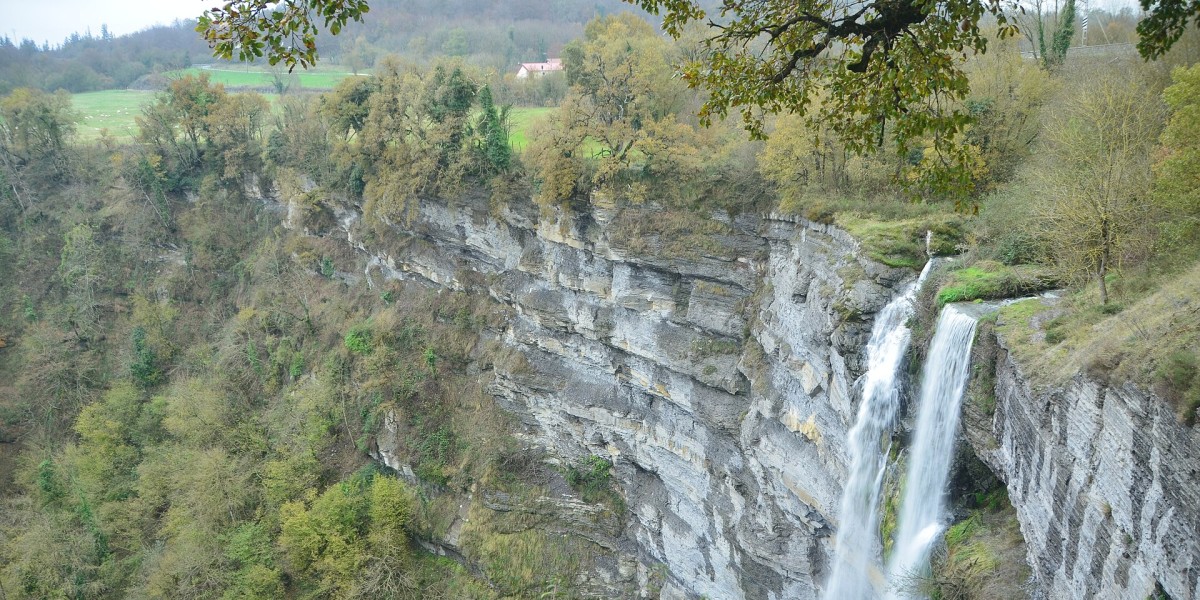
The Gujuli Waterfall, also known as Goiuri, is one of the most recognisable natural landmarks in Álava. The Jaundia River plunges nearly 100 metres down a limestone cliff, creating a spectacular cascade surrounded by vegetation and karst formations.
Located near Urkabustaiz, not far from Gorbeia Natural Park, it can be admired from an easily accessible viewpoint that offers an uninterrupted view of the waterfall. As with many mountain-fed waterfalls, its flow becomes more powerful after periods of heavy rain.
- Property for sale in Álava province
- Long-term rentals in Álava province
- Holiday homes in Álava province
Source of the Mundo River (Albacete)
The source of the Mundo River, near Riópar, is one of the most visited natural attractions in Castilla-La Mancha. Water emerges from a cave in a towering rock face before plunging down a waterfall almost 80 metres high, continuing its course through the valley below.
The site forms part of the Calares del Mundo y de la Sima Natural Park, a landscape shaped by water erosion on limestone rock. Following periods of heavy rainfall, visitors may witness the phenomenon known as the "reventón del río Mundo", a sudden and powerful surge of water from the cave.

Sorrosal Waterfall (Huesca)
The Sorrosal Waterfall is located beside the village of Broto, in Huesca province, at the gateway to the Pyrenees and close to Ordesa y Monte Perdido National Park. Here, the Sorrosal Ravine creates a main drop of around 60 metres, visible after a short walk from the town centre.
Its appeal extends beyond the waterfall itself. The surrounding rock face displays striking geological strata and folds, making the site particularly interesting for those keen to understand the geological history of the Pyrenees.
Source of the Asón River (Cantabria)
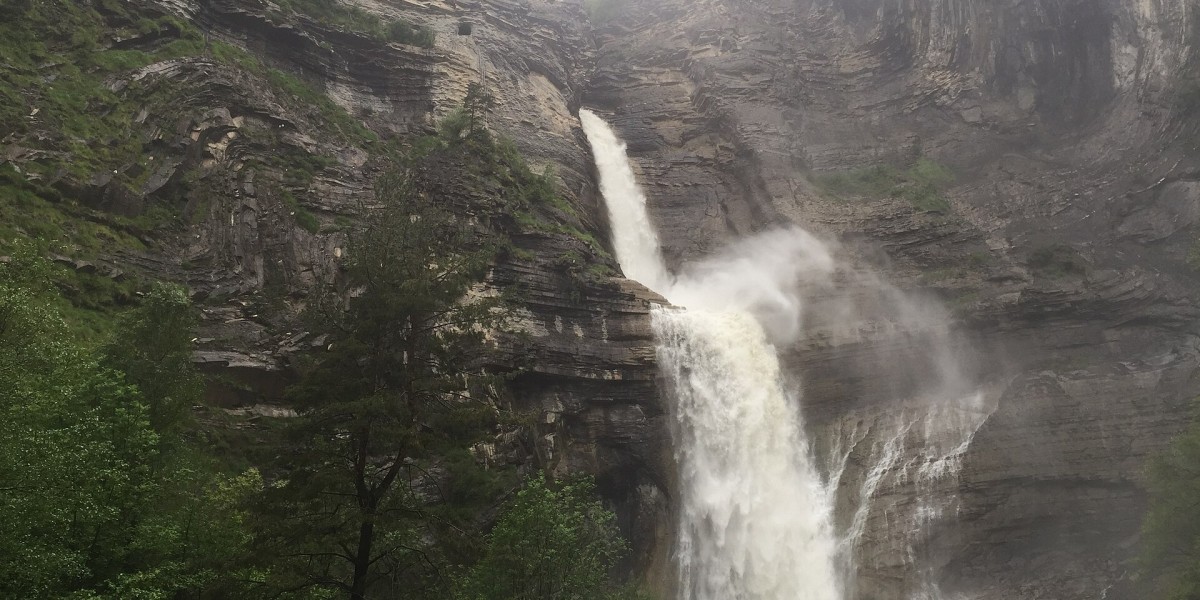
The source of the Asón River forms one of Cantabria's most impressive waterfalls. Water emerges from the mountainside near Arredondo and cascades down a limestone cliff in several stages, creating a drop of around 70 metres.
The area belongs to Collados del Asón Natural Park, a mountain landscape characterised by meadows, forests and karst formations. The waterfall can be viewed from a lookout point near the road, although its flow varies according to rainfall levels.

Pozo de los Humos (Salamanca)
Pozo de los Humos is one of the most spectacular waterfalls in Salamanca province. Located within Arribes del Duero Natural Park, between Pereña de la Ribera and Masueco, it is formed by the Uces River, which plunges approximately 50 metres.
Its name comes from the dense spray created when the water crashes onto the rocks below. Several footpaths and viewpoints offer different perspectives of the waterfall, depending on the route chosen.

Soaso Waterfall (Huesca)
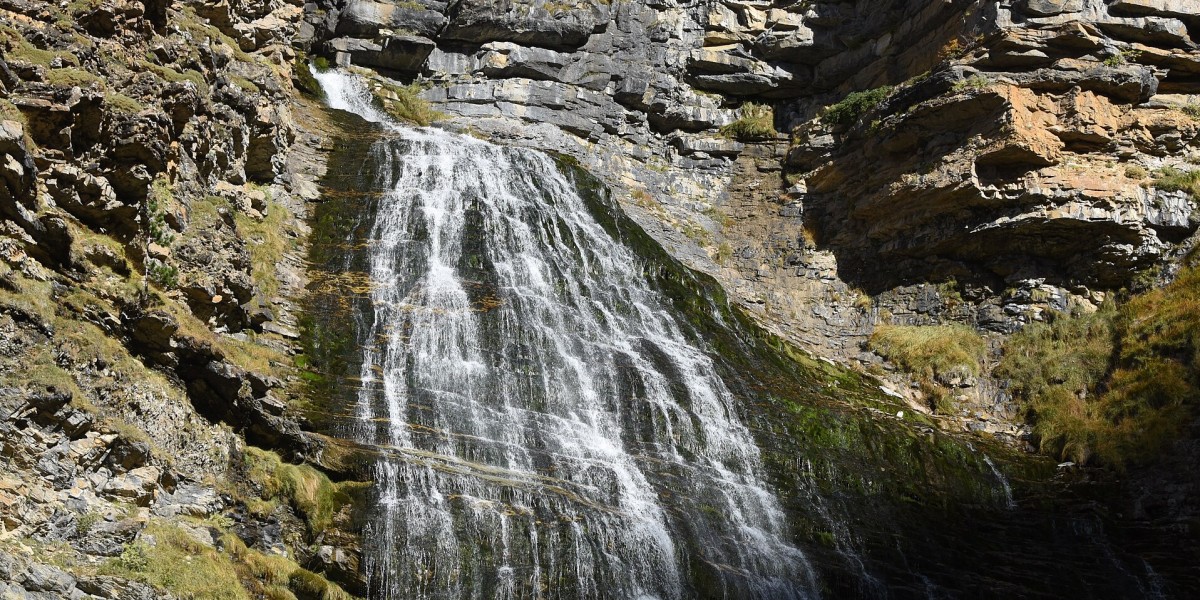
The Soaso Waterfall, popularly known as Cola de Caballo (Horse Tail Waterfall), is one of the most iconic sights along the trails of the Ordesa Valley in Huesca. Here, the Arazas River flows over a stepped rock face, creating a broad and unmistakable waterfall in the heart of Ordesa y Monte Perdido National Park.
Its height is approximately 50 metres, although its most distinctive feature is the wide fan-shaped flow the water creates as it descends the rock face. Reaching it requires completing one of the park's classic hiking routes, which passes through forests, glacial terraces and alongside several other waterfalls before arriving at the Soaso Cirque.