If you’re renting in Spain, especially in a flat rather than a standalone house, you’ll almost certainly hear the word comunidad. It refers to the 'Community of Owners' in Spain, formally called a Comunidad de Propietarios. Even though you’re not the owner, the comunidad can shape your day-to-day life more than you might expect.
What Is a Homeowners’ Association in Spain?
A community of owners in Spain, or a homeowners’ association, is the legal body that manages shared buildings and residential complexes. Under the Horizontal Property Act (Ley de Propiedad Horizontal), every building divided into separate privately owned units with shared areas automatically forms a Comunidad de Propietarios.
The comunidad is responsible for managing and maintaining the building’s common elements, which typically include:
- Staircases and lifts
- Roofs and façades
- Entrance halls and corridors
- Shared gardens and swimming pools
As a tenant, you don’t become a member of the comunidad. Only property owners have voting rights. However, you must comply with its rules because your landlord is bound by them.
How does the comunidad work day to day?
Most comunidades follow a fairly standard structure laid out in the Horizontal Property Act. There is usually a president, an administrator, and a general assembly of owners, which meets at least once a year
In the annual meeting, owners discuss things like the annual budget, community fees, maintenance works, changes to internal rules and major repairs or improvements.
Who makes the rules in a Spanish Homeowners’ Association?
The comunidad can establish Statutes – formal governing rules registered with the property, and Internal regulations – practical rules for daily living
These rules often cover quiet hours, use of communal areas, pool access, rubbish disposal, and pets in shared spaces.
Even though tenants do not vote, landlords are responsible for ensuring their tenants comply. If a tenant repeatedly breaks community rules, the comunidad will normally contact the owner first.
What does the comunidad mean for a tenant in Spain?
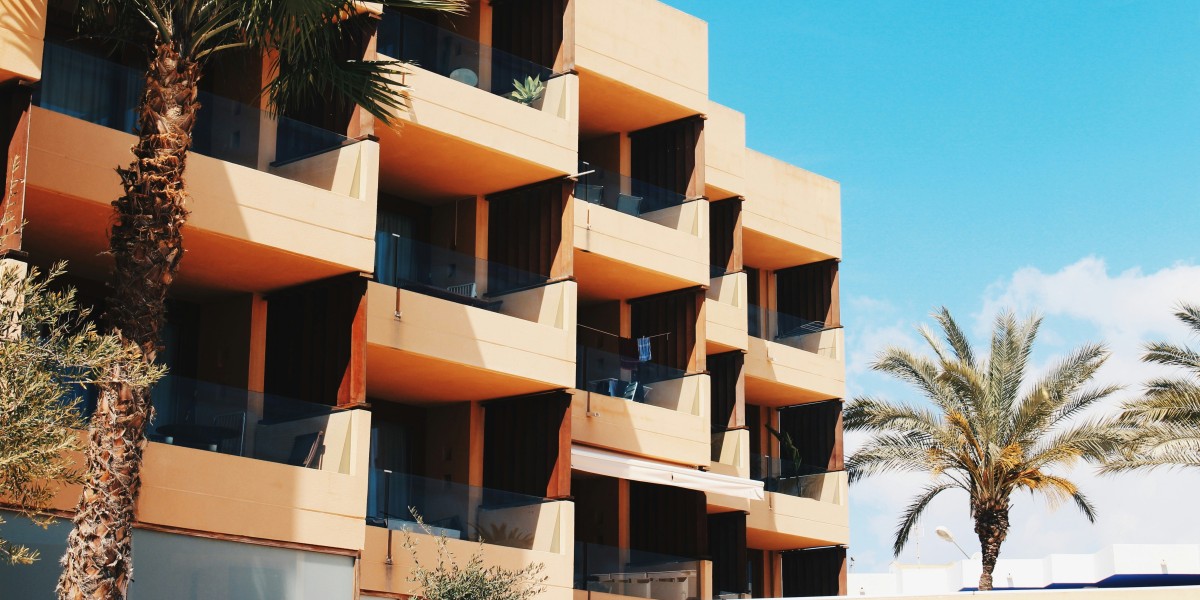
In everyday terms, the comunidad influences how you live in the building.
As a tenant, you’re expected to respect quiet hours and local noise regulations, use common areas properly, and avoid activities considered molestas (disturbing) under Spanish law.
This can also extend to rules on animals in the building, especially in light of recent cases, such as a Spanish court backing a pet ban in a residential community, which clarified how far a community’s internal rules can reach.
If there are complaints, they usually follow this route:
- A neighbour raises the issue with the president or administrator.
- The landlord is formally notified.
- The landlord speaks to the tenant.
Community fees in Spain: who pays and what do they cover?

One of the most common points of confusion is community fees in Spain, known as cuotas comunitarias. These fees are paid by the property owner, not the tenant, unless the tenancy contract explicitly states otherwise.
They typically cover things like cleaning of common areas, lift maintenance, electricity for communal lighting, and building insurance.
The typical costs of community fees in Spain start at around €100 per month, although the exact amount varies depending on the participation quota assigned to each property in the building’s deeds, as well as the size of the building itself.
Even though you don’t usually pay them directly, they can affect rent levels. In buildings with a concierge, lift, pool and landscaped grounds, the owner’s monthly costs are higher, and that tends to be reflected in the asking rent.
What happens if the landlord does not pay community fees?
If an owner fails to pay, the comunidad can start a legal debt recovery procedure, charge interest and legal costs and restrict the owner’s voting rights.
Rules on noise, behaviour and use of common areas

This is where tenants feel the comunidad most directly. Spanish buildings often have clearly defined quiet hours. Typically, early afternoon is a rest period, and there are late-night quiet hours.
Common areas also come with practical rules, such as:
- No hanging laundry over façades
- Restrictions on storing personal items in corridors
- Smoking rules in enclosed communal spaces
- Pet control in shared gardens
If a neighbour’s behaviour becomes genuinely problematic, the community has legal tools available. Most issues, though, are resolved informally.
Renting in a building with a comunidad: practical tips
Before signing a tenancy agreement when choosing to rent an apartment, it helps to clarify a few things with the landlord:
- Ask for a copy of the internal community rules
- Confirm that community fees are up to date
- Check if major works have already been approved
- Understand any specific building policies about pets or guests
Living in Spain often means sharing space more closely than in the UK or the US. The comunidad is simply the formal structure that keeps that shared life functioning. As a tenant, you’re not part of its decision-making, but you are very much part of its day-to-day reality.
Stay in the know about living in Spain as a foreigner—get our weekly newsletter for the latest travel, legal, and lifestyle news.