The Alicante coast offers a dramatic contrast, ranging from expansive urban beaches to secluded coves nestled between cliffs within just a few kilometers. In 2026, the province boasted 77 Blue Flag beaches, more than any other Spanish province. Choosing which ones to visit on such a diverse coastline isn't easy. Therefore, below you'll find some of the best Blue Flag beaches in Alicante.
Granadella Cove (Jávea)
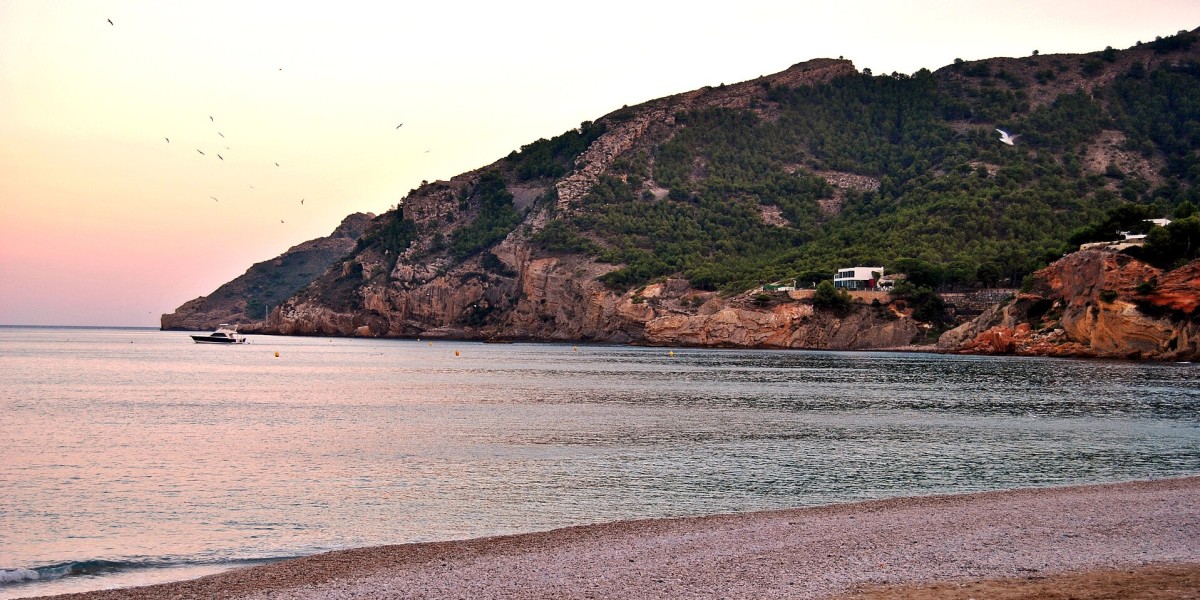
Nestled between pine-covered cliffs, Granadella Cove is one of Jávea’s most iconic coastal landscapes. Its pebbled shoreline opens onto a sheltered bay, where the water often takes on turquoise tones on calm days. The rocky seabed and exceptional water clarity also make it a favourite spot for snorkelling.
The cove is relatively small, and access may be restricted during the summer months to prevent overcrowding. Arriving early is recommended, as is wearing suitable footwear for the pebbled beach. The surrounding area is home to several restaurants specialising in rice dishes, while nearby walking trails offer spectacular coastal views.

San Juan Beach (Alicante)
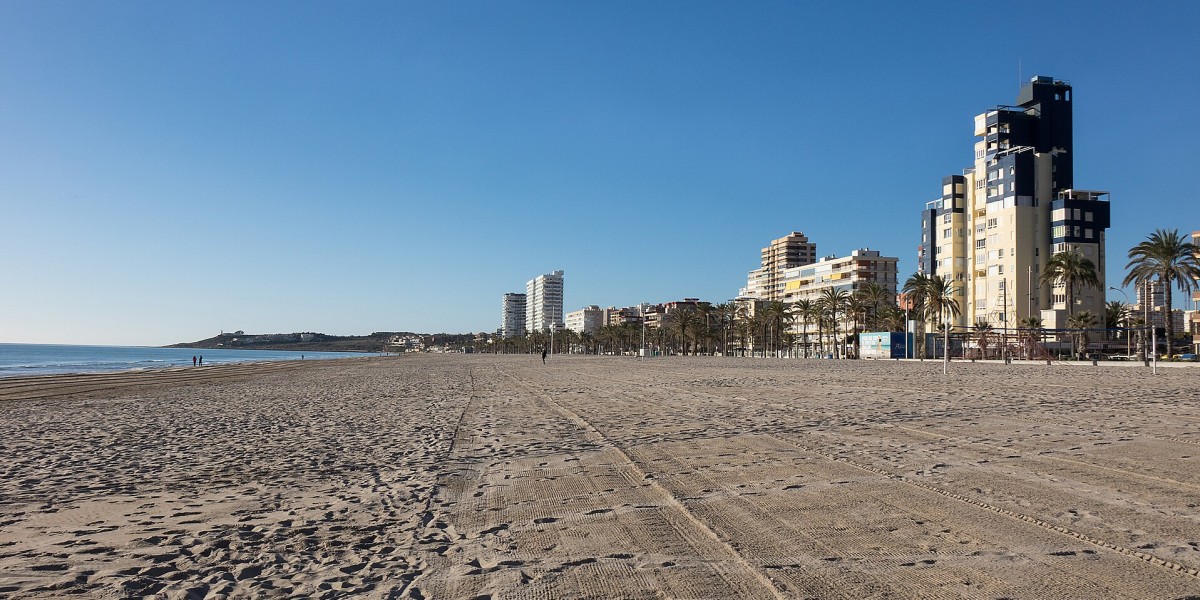
San Juan beach stretches for nearly three kilometres from Cabo de las Huertas to the town of El Campello. It's a large, urban beach with ample space for strolling, playing on the shore or relaxing without getting too close to the water.
The promenade that runs parallel to the beach is lined with restaurants, cafes and shops, and is also connected to Alicante city centre by tram. The sports facilities and the spacious beach keep the atmosphere lively for much of the year.
Cala del Moraig (Benitatxell)
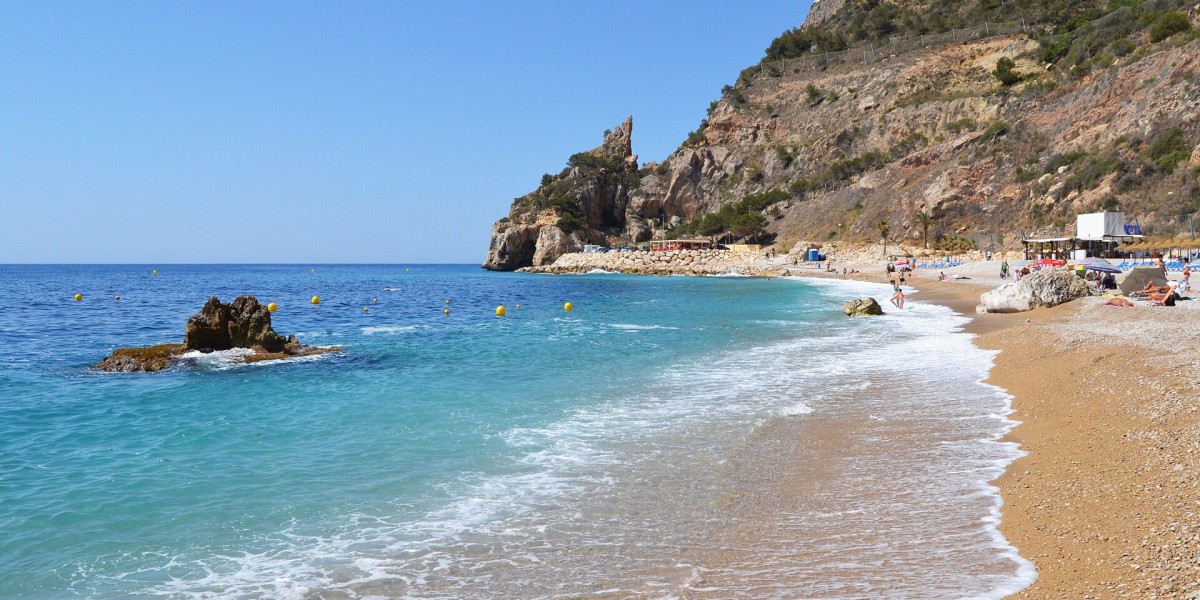
The Puig Llorença massif drops almost directly into the Mediterranean at Cala del Moraig, located in El Poble Nou de Benitatxell. The entrance between the cliffs hints at a corner of white pebbles and deep waters, quite different from the large sandy beaches in the south of the province.
One of its most striking features is the Cova dels Arcs, a rock formation open to the sea located next to the cove. Vehicle access and parking spaces are regulated during peak season.
Carabassí Beach (Santa Pola and Elche)
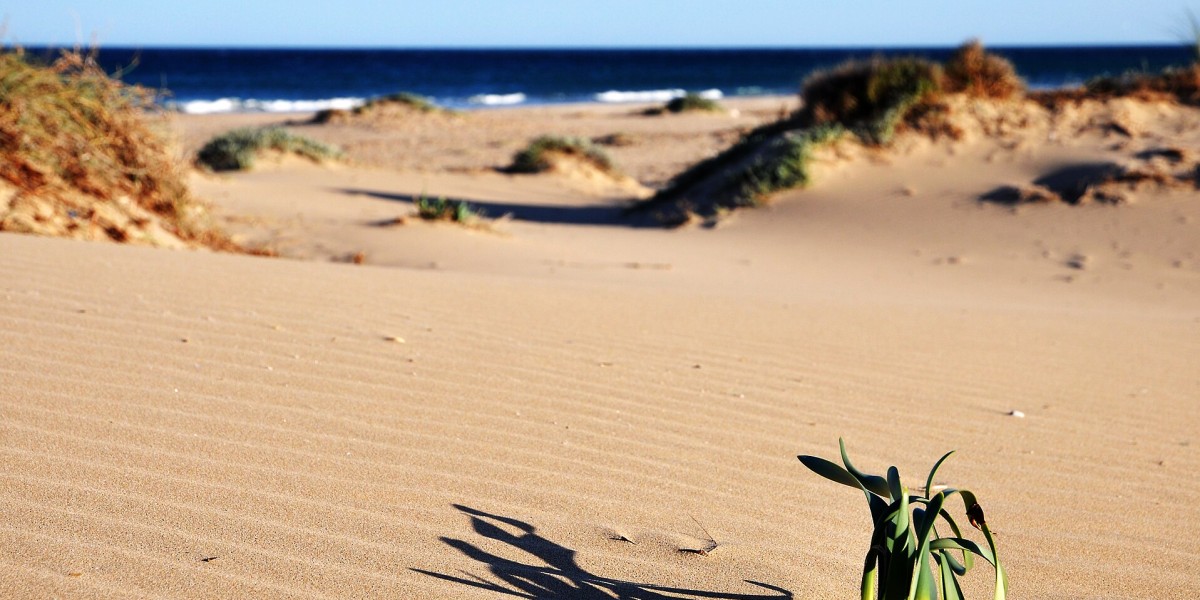
At the foot of the Santa Pola mountain range lies Carabassí, a long stretch of light-coloured sand separated from the road and residential areas by dunes and coastal vegetation. Wooden walkways cross this protected area, allowing access to different points along the shore without stepping on the most sensitive zones.
Its open profile means it's windy on some days, something that water sports enthusiasts take advantage of. It retains a less urbanised appearance despite being close to Arenales del Sol and Gran Alacant.
Portet Beach (Moraira)
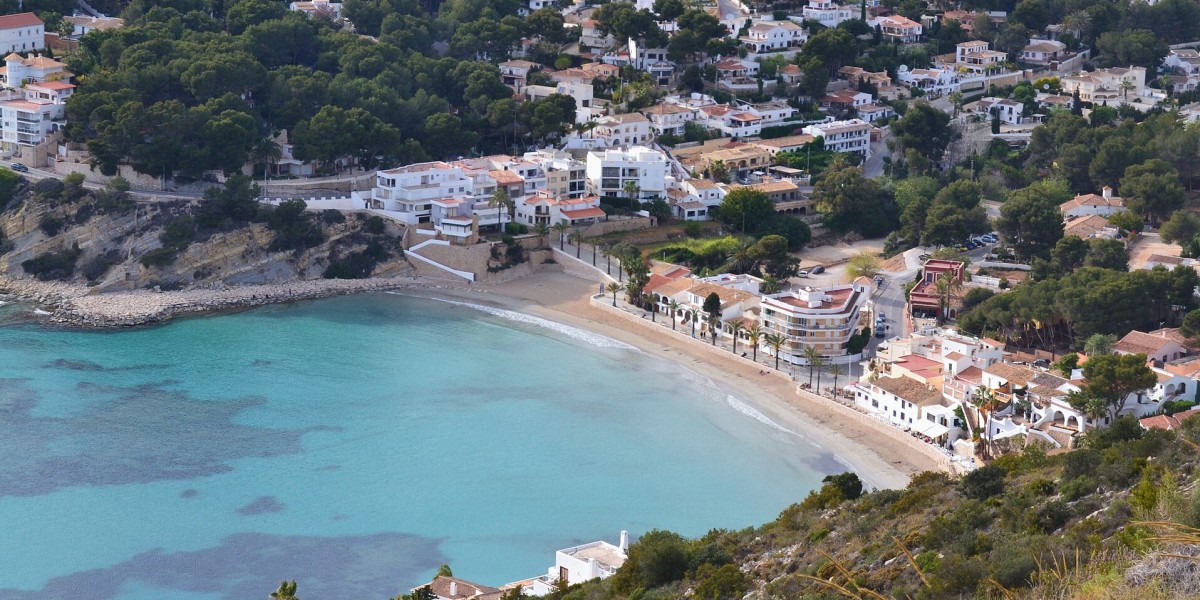
Sheltered by the Cap d'Or headland, Portet beach forms a small crescent shape facing generally calm waters. It is located a short distance from the centre of Moraira, but its surroundings of low houses and green hillsides give it a secluded atmosphere.
The shallow waters in much of the bay make swimming, kayaking or paddleboarding easy. Its small size means it gets crowded quickly during July and August, especially since nearby parking is limited.
La Fossa Beach (Calpe)
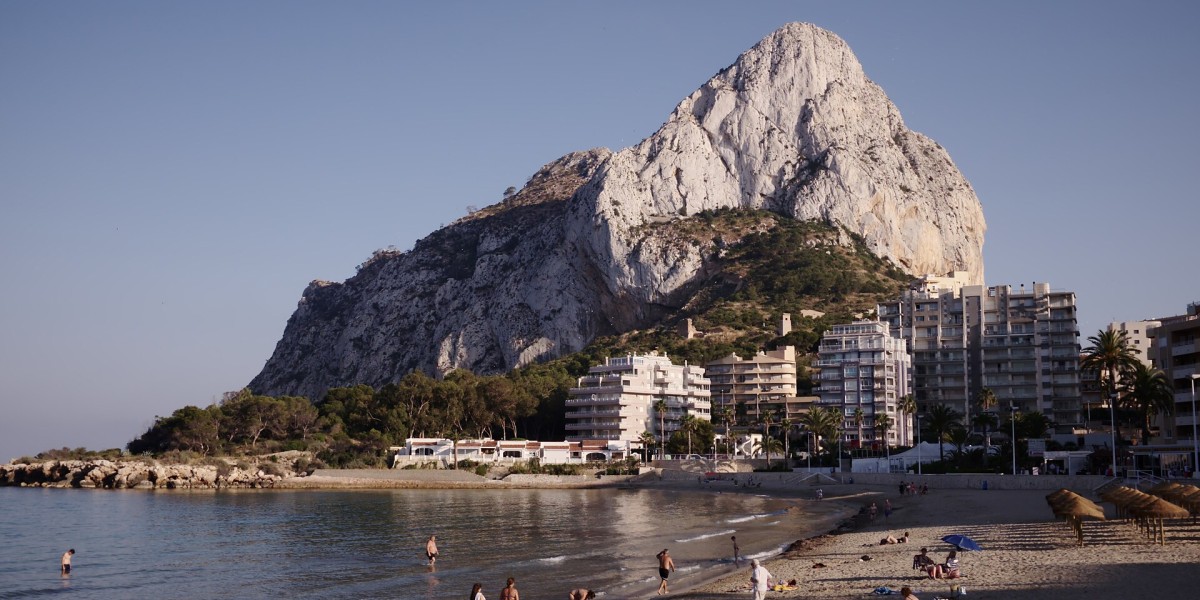
The Peñón de Ifach dominates the view from almost anywhere on La Fossa beach in Calpe. Its fine sand stretches north of the natural park and is lined with a promenade full of terraces and restaurants. The shallow waters in the first few metres make it a popular destination for families.
At one end are the remains of the Queen's Baths, ancient Roman fish farms carved into the rock. Towards the other side appears the base of the crag, from where you can connect to the Prince of Asturias ecological trail.
Playa de la Mata (Torrevieja)
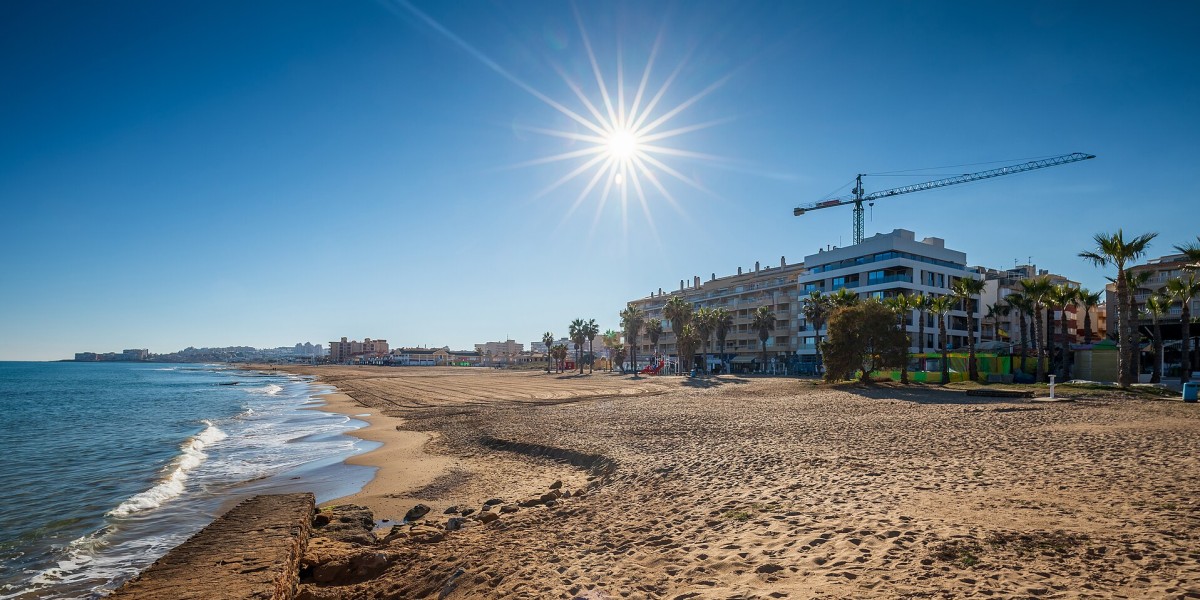
La Mata occupies the northernmost part of Torrevieja and offers a more open landscape than other urban beaches in the municipality. Its long and wide sandy beach is bordered in some sections by a dune system and the Molino del Agua park.
Most of the terraces and services are concentrated around the Plaza del Embarcadero and the town centre of La Mata. Further south, you'll find less crowded areas, although the seaside area is usually busier.
Playa del Paradís (Villajoyosa)
South of Villajoyosa's town centre, Paradís beach retains a typical Mediterranean coastline, characterised by a pebbly shore and clear water. Its length allows for relatively unobstructed areas even when it gets crowded. Because it lacks fine sand, the water tends to be less murky.
The beach is backed by vegetation and low-rise residential areas, lacking the continuous stretch of buildings typical of other parts of the Costa Blanca. Water shoes are advisable both for walking along the shore and for paddling in the sea.
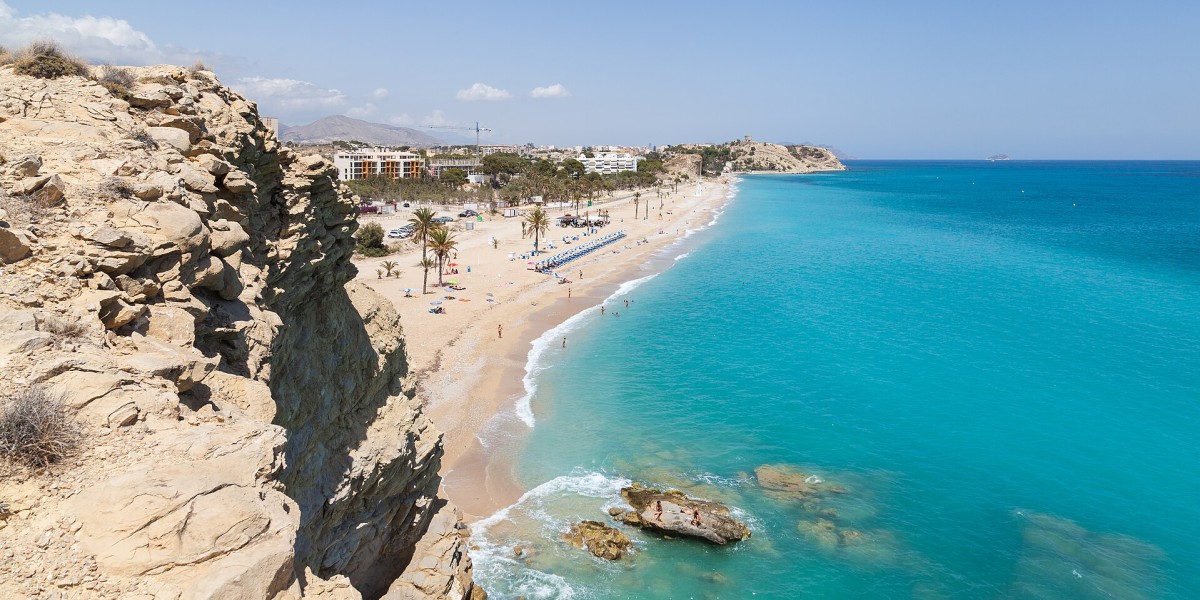
All the Blue Flag beaches in Alicante in 2026
The province of Alicante boasts 77 Blue Flag beaches in 2026. This year, Calpe adds Puerto Blanco and Racó, El Campello debuts Cala Lanuza, Benissa adds l'Advocat, while Altea, Santa Pola and Jávea recover l'Espigó, Tamarit and Arenal, respectively. The complete list, ordered by municipality, is as follows:
- Denia: Els Molins, Les Bovetes, Les Deveses, Les Marines, Marineta Cassiana, Punta Negra and Punta del Raset.
- Jávea: Arenal, Granadella and La Grava.
- El Poble Nou de Benitatxell: Cala del Moraig.
- Teulada: Del Portet and Les Platgetes.
- Benisa: Cala del Baladrar and l'Advocat.
- Calpe: Cantal Roig, La Fossa, l'Arenal-Bol, Puerto Blanco and Racó.
- Altea: Cap Blanch, El Bol, La Roda and l'Espigó.
- Alfaz del Pi: Racó de l'Albir.
- Benidorm: Llevant and Ponent.
- Villajoyosa: Bon Nou, Ciutat (Center), De Torres, La Caleta, Paradís and Varadero.
- El Campello: Cala Lanuza, Carrer la Mar and Mutxavista.
- Alicante: Postiguet, Saladar-Urbanova, Sant Joan and Tabarca.
- Elche: Arenals del Sol-Sur, Carabassí, l'Altet, La Marina and Les Pesqueres-El Rebollo.
- Santa Pola: Calas del Este, Calas de Santiago Bernabéu, La Ermita, Tamarit and Varador.
- Guardamar del Segura: Centre, Dels Vivers, Ortigues-Campo, Del Moncaio and La Roqueta.
- Torrevieja: Cabo Cervera, Cala de las Piteras, El Cura, La Mata, Los Locos and Los Náufragos.
- Orihuela: Calas de Aguamarina, Barranco Rubio, Cabo Roig-La Caleta, Cala Capitán, Cala Cerrada, Cala Estaca, Campoamor-La Glea, La Zenia-Cala Bosque, Mil Palmeras and Punta Prima.
- Pilar de la Horadada: Del Conde, Higuericas, Jesuitas, Mil Palmeras, Puerto and Rocamar.