Prefabricated home construction has evolved from being a niche alternative into one of the most sought-after options for people looking for a modern, efficient and custom-built property. If you're considering buying one, it's worth understanding the different types of prefabricated homes available.
Types of prefabricated houses by material
There is a wide range of prefabricated homes on the market, built using different materials:
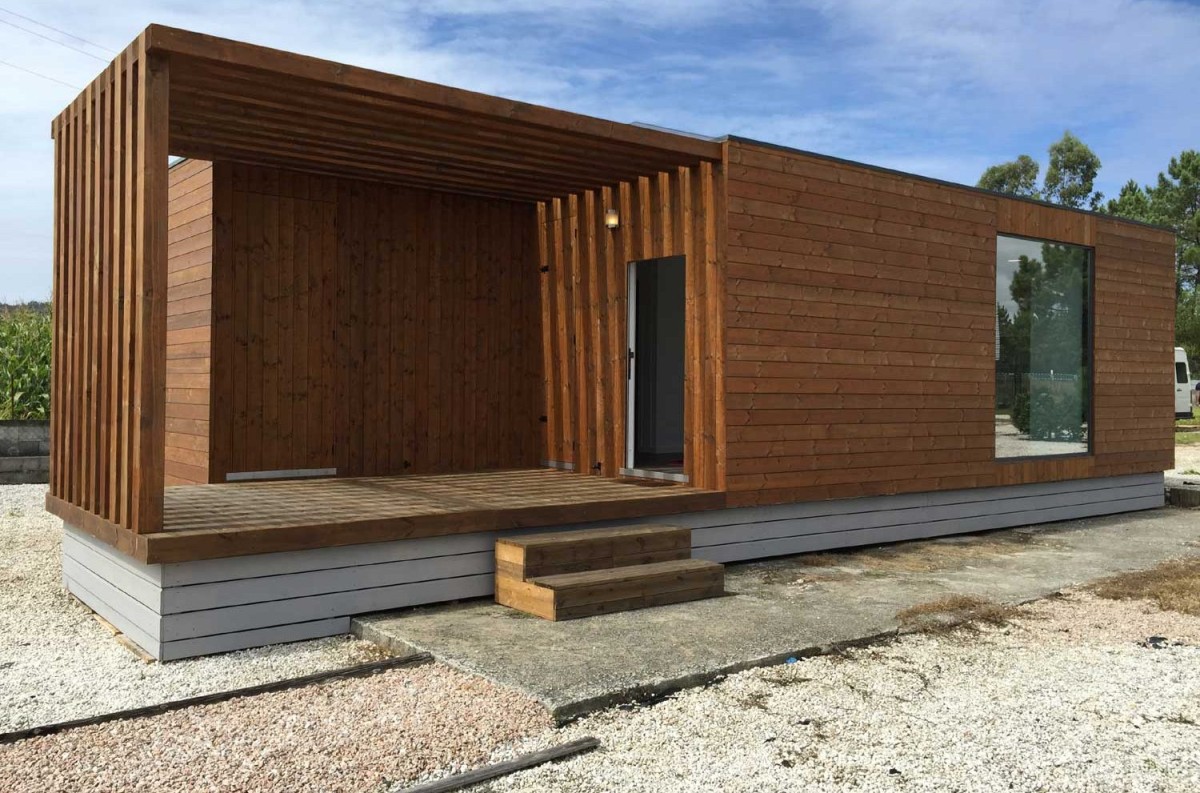
- Prefabricated timber homes: Timber is a sustainable, durable, attractive and resilient material. It is also cost-effective and easy to assemble, making it one of the most popular choices. However, it generally offers lower thermal inertia than some alternative materials.
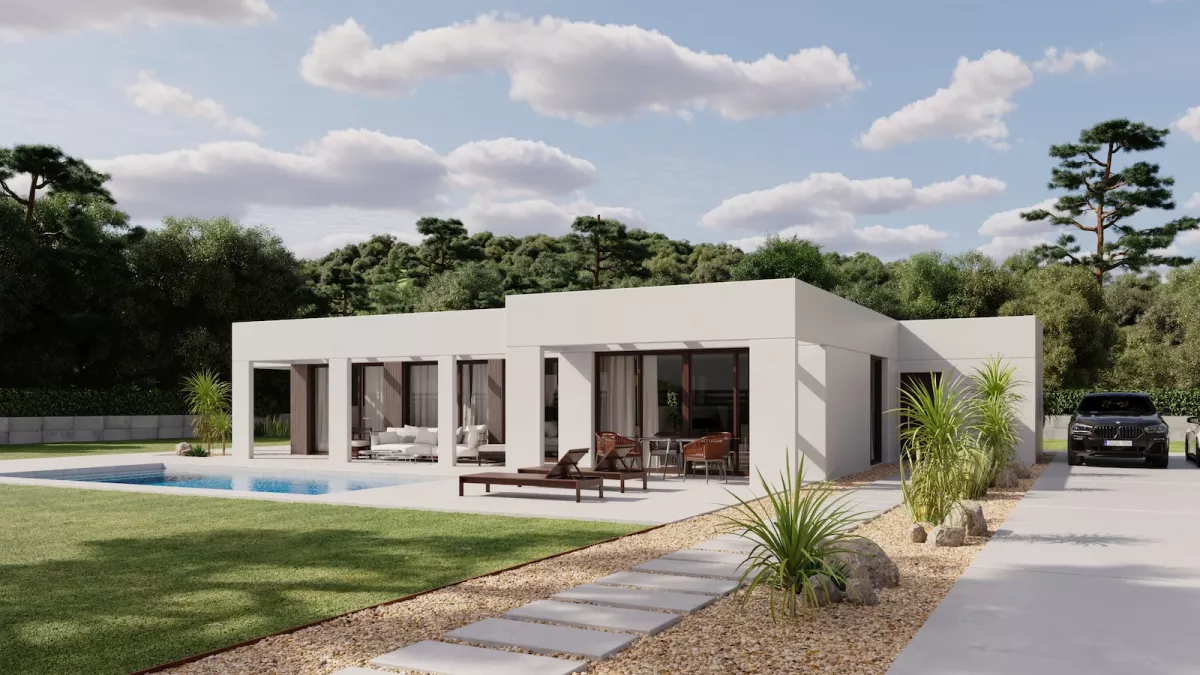
- Prefabricated concrete homes: These tend to be more expensive than timber homes, but the additional investment is often justified. Concrete is highly durable, resistant and offers excellent insulation properties. Although its production process is less sustainable, it can provide superior energy efficiency. Its structural strength also makes it suitable for larger projects.
- Prefabricated steel homes: These are known for their strength, flexibility and relatively lightweight structure. Steel is also easy to transport and assemble while generating minimal construction waste. In most cases, steel is used as the structural framework in combination with other materials.
Types of prefabricated homes by construction technique
Based on the construction process, these are the main options available:
- Modular homes: This is one of the most widely used systems because it allows complete sections of a home, manufactured in a factory using 3D prefabrication techniques, to be assembled on-site. They are quick to install, can often be added to in the future and are available in a wide variety of designs and configurations.

- Panelised homes: This method involves more work on-site and is based on the manufacture of 2D panels that are assembled once delivered to the plot. Its main advantage is its ability to adapt to the specific characteristics of the location.

Prefab homes by design and intended use
There are also different types of prefabricated homes based on their design:
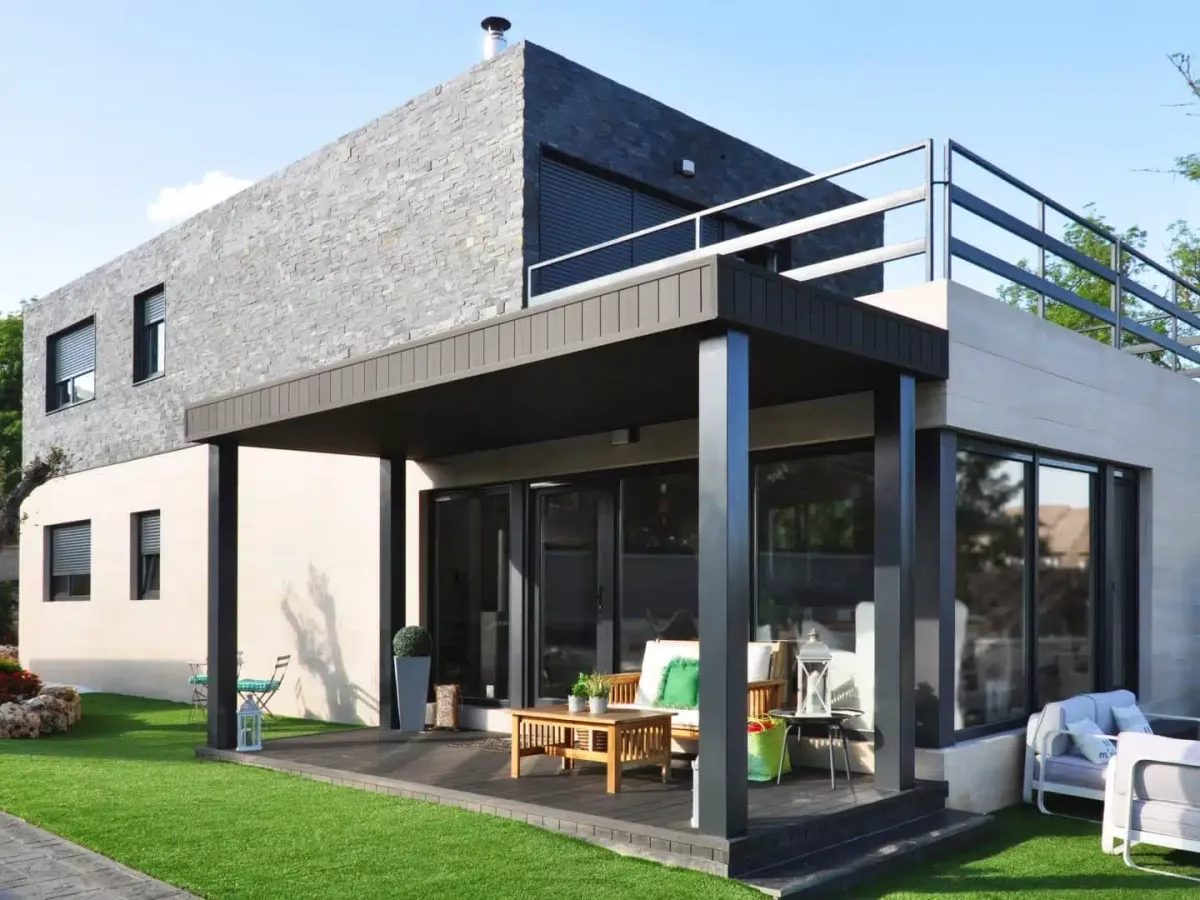
- Modern prefabricated homes: These properties feature clean lines, minimalist design, large windows, monochromatic finishes and the use of materials such as concrete and steel.

- Traditional or rustic homes: These properties replicate the appearance of traditional houses. They typically feature pitched roofs, classic doors and windows, straightforward floor plans and materials such as timber.

When categorised by intended use, the main types include:
- Primary residence: These homes generally offer high specifications. As they are used year-round, they require good insulation, durable materials and designs suited to local climatic conditions.

- Second home or holiday properties: These usually feature lighter structures and less complex designs than primary residences. As they are used less intensively, the specification may be more modest and the overall size is often smaller.
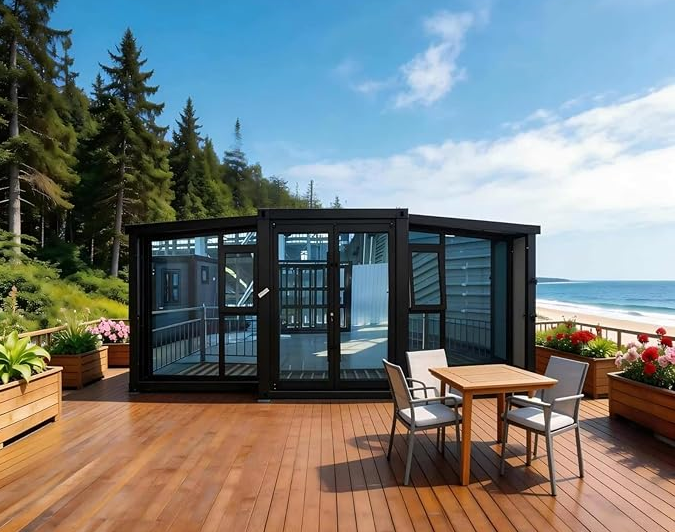
- Tiny houses, mobile homes or mini-homes: These are designed either for minimalist living or temporary accommodation. Mobile homes are not permanently fixed to the ground, making them relatively easy to transport.

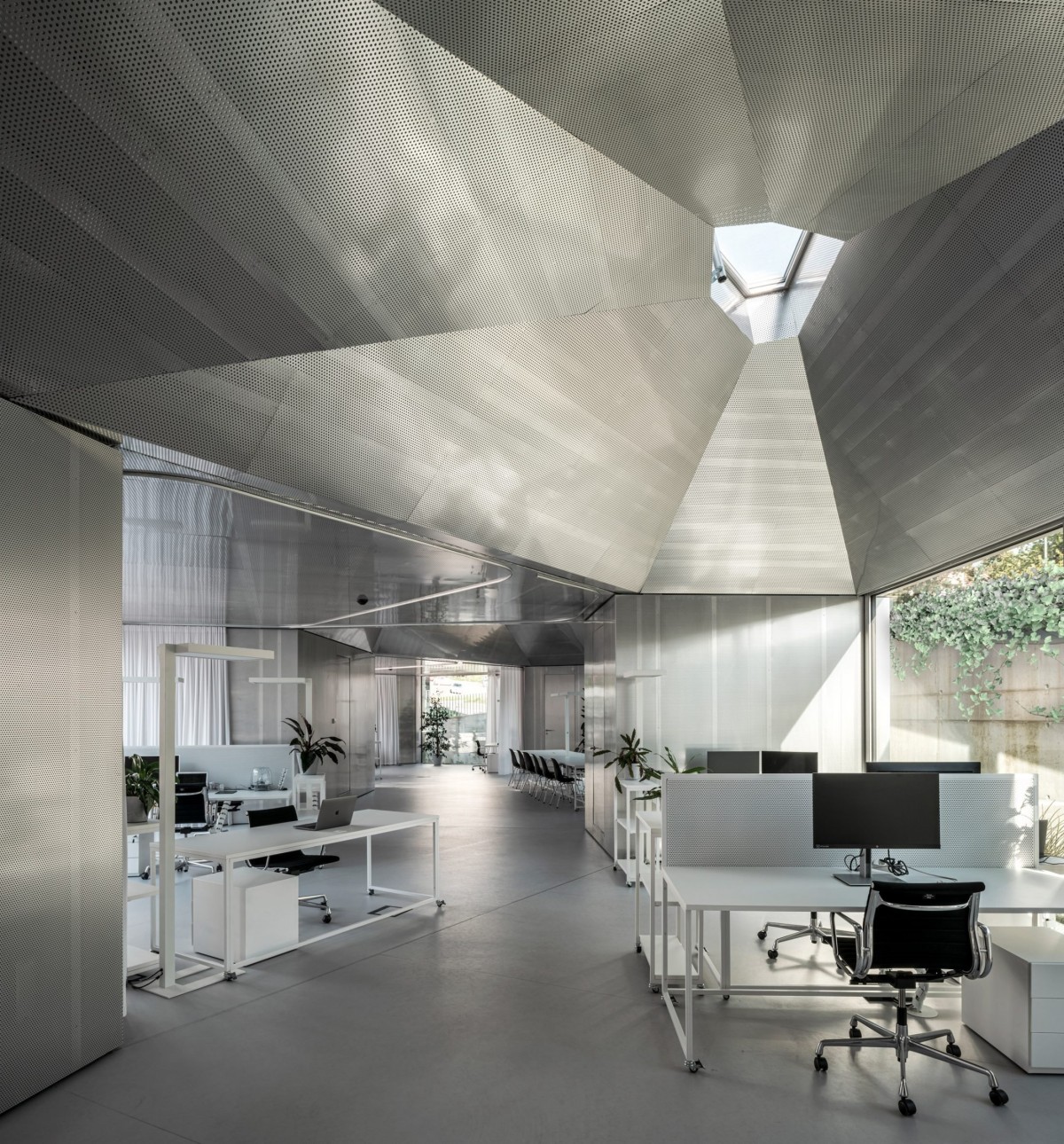
- Professional use: Businesses and self-employed professionals also make use of prefab buildings, benefiting from the high degree of customisation they can offer.
What is the best material for a prefab home?
The most suitable material, or combination of materials, will depend on several factors, including:
- The characteristics of the terrain and the local climate: For example, timber can perform very well in colder climates, while concrete is often preferred in hotter regions.
- The intended use of the property: The type and intensity of use will influence the features and performance requirements that the home should provide.
- Your budget: While the ideal solution is durable, efficient, environmentally conscious and fully adapted to your needs, financial considerations will inevitably play an important role.
In many cases, the best solution combines the strengths of several materials. Indeed, most modern prefabricated homes incorporate different materials in varying proportions, allowing them to maximise performance, efficiency and versatility while appealing to a broader range of buyers.