As much as there is to love about Puerto de la Cruz itself, one of its best-kept secrets is just how perfectly placed it is for exploring the rest of the island’s incredible north. It's a fantastic feeling to know that within a short bus ride, you can swap the town's seaside charm for the grand, historic streets of a former capital, the misty magic of an ancient laurel forest, or even the wild, volcanic landscapes of Spain’s highest peak. See what else this corner of Tenerife has to offer with some of the best day trips from Puerto de la Cruz.
- Getting around the Island
- La Orotava: a glimpse into Tenerife's grand past
- Garachico and Icod de los Vinos: lava pools and an ancient tree
- San Cristóbal de La Laguna: a walk through a UNESCO city
- Teide National Park: a journey to the volcano
- Anaga Rural Park: hiking in an ancient laurel forest
- Living in Puerto de la Cruz
Getting around the Island
While there are plenty of things to do in Puerto de la Cruz to fill your days, the real beauty of staying here is how easy it is to explore further afield. Getting around is surprisingly straightforward, and you've got a couple of solid options depending on how much freedom you want.
Exploring by bus (Guagua)
The first thing you need to know is that nobody here calls it a bus—it’s a guagua (pronounced wah-wah). The island’s network is run by a company called TITSA, and their green buses are pretty much everywhere. For the best value, grab a ‘Ten+’ travel card from a bus station or a local newsagent. It’s a reliable and very cost-effective way to get to most of the main towns.
The freedom of a hire car
If you want to get to the more remote spots, like the heights of Teide National Park or the hidden corners of Anaga, then renting a car is your best bet. It gives you the complete freedom to stop whenever you see a stunning viewpoint, which will happen a lot. Just a little heads-up, though: some of the mountain roads can be very narrow and winding, so it helps to be a fairly confident driver.
La Orotava: a glimpse into Tenerife's grand past
Just a stone's throw from Puerto, you'll find the elegant town of La Orotava. Climbing up the valley side, it feels like you’ve stepped back into a grander, more stately era of Tenerife's history. It’s all steep cobbled streets, historic churches, and beautifully preserved mansions.

What to see and do in La Orotava
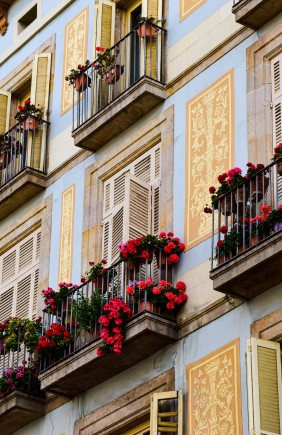
The main joy here is simply wandering through the historic centre. What it's really known for is its stunning Canarian architecture, especially the intricately carved wooden balconies. The most famous example is the Casa de los Balcones (House of the Balconies). You can also pop into the Hijuela del Botánico, a small but beautiful botanical garden that feels like a hidden, tranquil secret. If you happen to be there for Corpus Christi in June, you'll see the streets covered in incredible carpets made from flowers and colourful volcanic sand.
How to get to La Orotava
Hop on a guagua from the main bus station in Puerto de la Cruz, and you’ll be there in about 15 or 20 minutes. You can easily just go for a morning and be back in Puerto for a late lunch by the sea.
Garachico and Icod de los Vinos: lava pools and an ancient tree
This is a brilliant two-for-one day trip. The towns of Garachico and Icod de los Vinos are quite close to each other along the coast, so it makes perfect sense to see them both on the same day.

What to see and do in Garachico and Icod
The star of the show in Garachico is the wild swimming paradise of El Caletón. These are pools that were forged by nature when a volcanic eruption in 1706 sent lava flowing into the sea. The result is a network of natural rock pools, sheltered from the open ocean.
In Icod de los Vinos, you'll meet the town's most famous resident: the Drago Milenario. This ancient Dragon Tree is a true icon of the Canary Islands, a massive, gnarled living monument that is said to be around a thousand years old. As the town's name suggests, it's also a good spot to try some of the local wine.

How to get there
You can catch a guagua from Puerto de la Cruz that will take you along the scenic north coast road to both towns. The journey itself is beautiful. Having a hire car for this trip does give you a bit more freedom to hop between the two, but it's perfectly doable by bus.
- Holiday rentals in Icod de los Vinos
- Long-term rentals in Icod de los Vinos
- Property for sale in Icod de los Vinos
San Cristóbal de La Laguna: a walk through a UNESCO city
If you're interested in history, architecture, and soaking up a bit of culture, you should spend a day in La Laguna. This isn't a coastal resort; it's Tenerife's former capital and its intellectual and cultural heart.
What to see and do in La Laguna
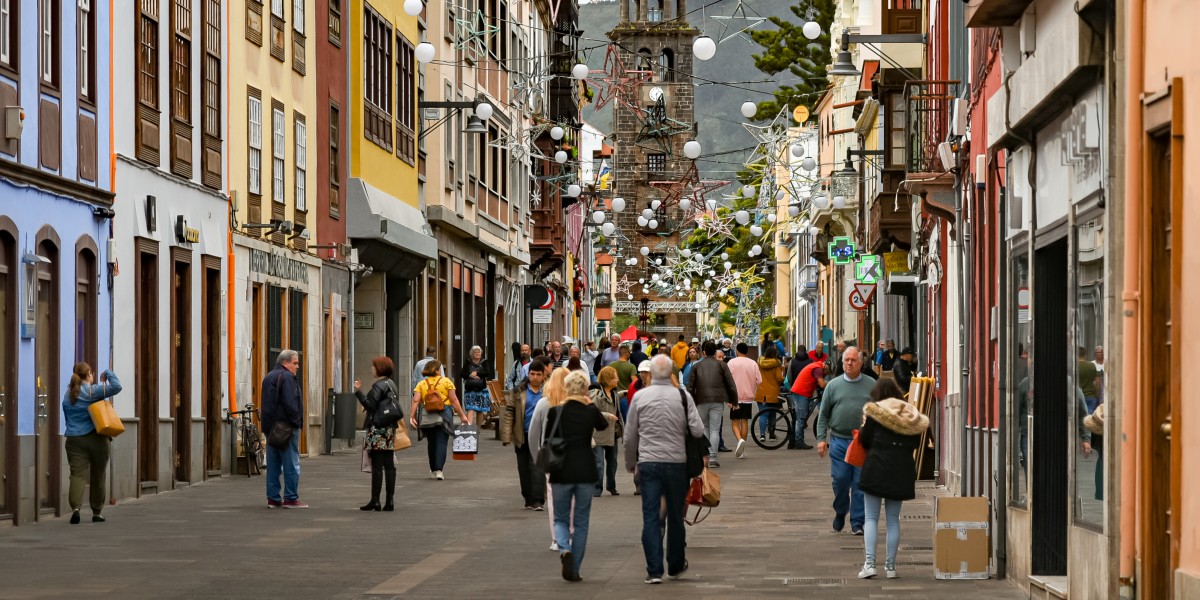
The entire old town is a UNESCO World Heritage site, and you’ll quickly see why. It was one of the first unfortified colonial towns. Its grid layout of straight streets was used as a blueprint for many cities in the Americas, like Havana and Lima. The real pleasure is just walking around, admiring the colourful, historic mansions and popping into the many independent shops, bakeries, and traditional tapas bars.
How to get to La Laguna
There's a frequent and direct bus service from the main bus station in Puerto de la Cruz that takes you right to the heart of La Laguna.
Teide National Park: a journey to the volcano
You can't stay in Tenerife without making the pilgrimage to the island's volcanic heart. The drive itself is an experience, as you leave the green coast behind and climb into a stark, lunar landscape that feels like another planet.
What to see and do in Teide National Park
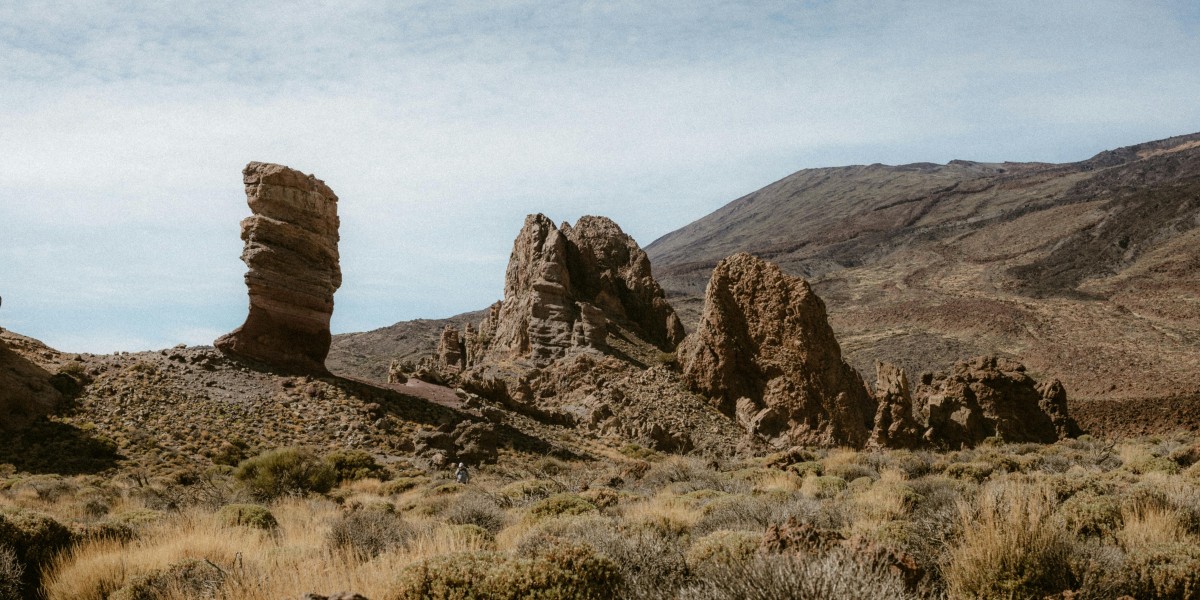
The main event, of course, is Mount Teide itself, Spain's highest peak. The best way to get up close is by taking the cable car, which whisks you up over the lava fields to the upper station, just below the summit. The views from up there are staggering. A word of advice: book your tickets online in advance to avoid massive queues. Away from the cable car, make sure you stop at the Roques de García. These are a collection of bizarre rock formations, eroded into strange shapes by the elements.
How to get to Teide
For this trip, a hire car is by far the best option. It gives you the freedom to drive the loop through the park and stop at the countless miradores (viewpoints) along the way. There is a public guagua service from Puerto de la Cruz, but be aware that there’s usually only one bus a day, and it gives you a very limited amount of time in the park before it makes the return journey.
- Holiday rentals in Santiago del Teide
- Long-term rentals in Santiago del Teide
- Property for sale in Santiago del Teide
Anaga Rural Park: hiking in an ancient laurel forest
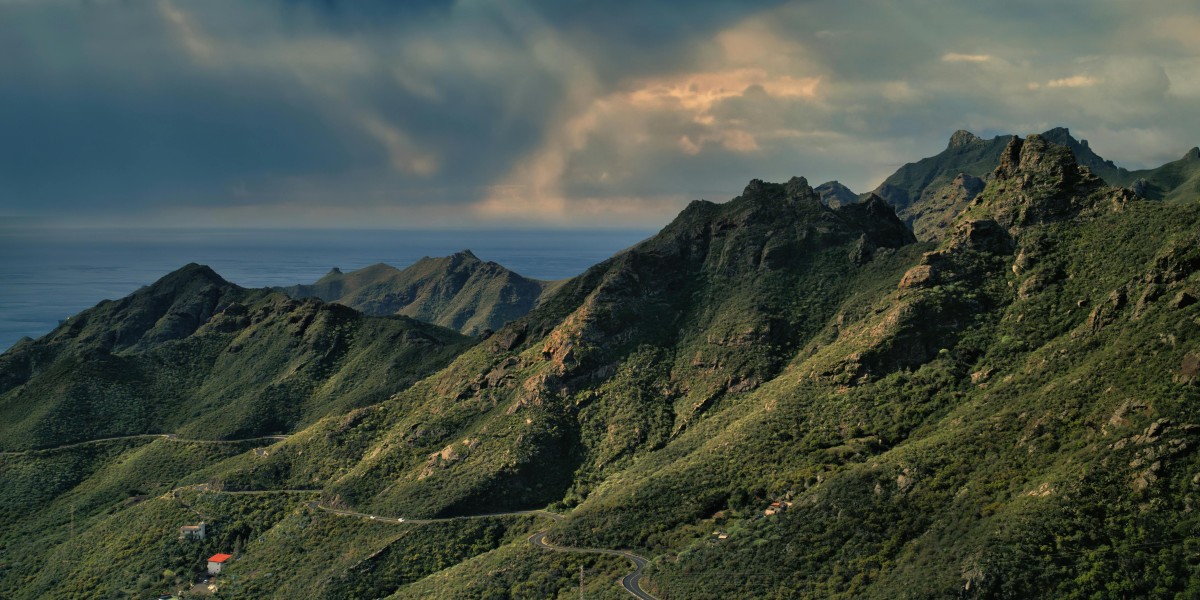
If Teide is all about fire and rock, Anaga is its opposite: a world of mist, moss, and ancient green forests. Tucked away in the island's north-eastern tip, not far from Santa Cruz de Tenerife, this mountain range is a paradise for hikers and anyone who loves nature.
What to see and do in Anaga
Anaga is home to one of the last surviving laurisilva (laurel) forests in the world, a type of subtropical forest that covered much of Europe millions of years ago. The best way to experience it is on foot. For an easy introduction, head to the Cruz del Carmen visitor centre and try the ‘Path of the Senses’ (Sendero de los Sentidos), a short trail on wooden boardwalks that’s perfect for all abilities.
How to get to Anaga
Similar to Teide, this is another trip where a hire car really is your friend. While you can get a bus to the main hub of La Laguna and then another into the park, public transport within Anaga itself is very limited.
- Holiday rentals in Santa Cruz de Tenerife
- Long-term rentals in Santa Cruz de Tenerife
- Property for sale in Santa Cruz de Tenerife
Living in Puerto de la Cruz
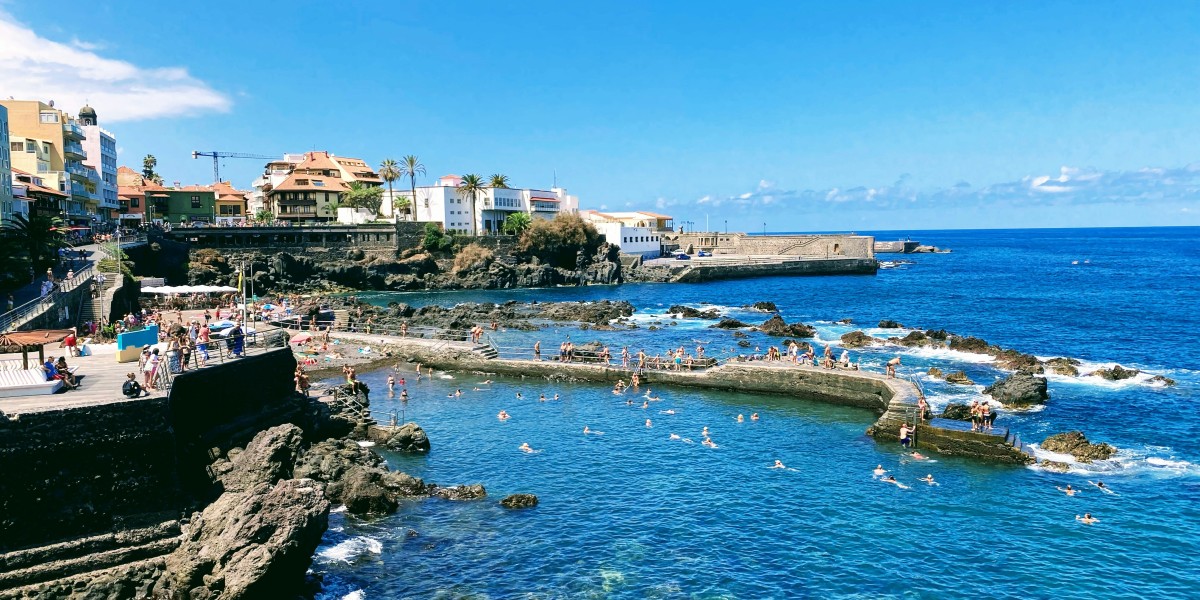
Looking at all these incredible day trips, you start to see the real secret to living in Puerto de la Cruz. It’s not just about the charm of the town itself, but about its perfect position as a base camp for adventure. Living here means having one of the most diverse natural landscapes in Europe as your back garden. You could spend a Saturday hiking through a misty, prehistoric forest in Anaga, a Sunday exploring the lunar landscapes of a volcano, and still be back home for dinner by the sea. It's a lifestyle that gives you the best of both worlds: the comfort and community of a lovely coastal town with all its amenities, combined with the constant pull of the mountains, historic cities, and wild coastlines that are just a short guagua ride away.