The country’s network of parques naturales is vast, and many of the most rewarding hidden natural parks in Spain are tucked away beyond the headline-grabbing national parks. They’re protected for their ecological value, yet many remain lived-in landscapes shaped by farming, fishing and centuries of local history.
Cabo de Gata-Níjar Natural Park
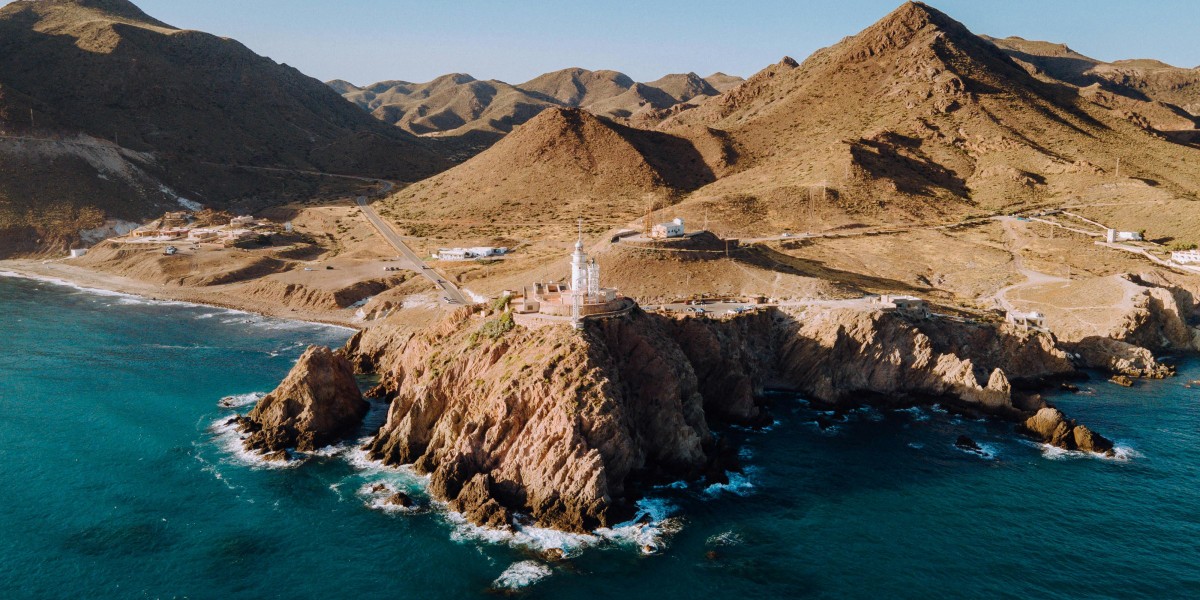
Tucked into the eastern edge of Almería province, Cabo de Gata-Níjar stretches across roughly 38,000 hectares of volcanic coastline, salt flats and arid hills.
It’s mainland Europe’s only true desert climate, with stark, sunbaked scenery shaped by ancient eruptions and relentless wind. Whitewashed fishing villages such as San José and Las Negras sit between cliffside coves and turquoise water.
Declared a natural park in 1987, it has long been a refuge for artists and those after a quieter Mediterranean.
Highlight: The rugged volcanic cliffs and lighthouse at Cabo de Gata itself, especially at golden hour.
Best thing to do: Swim or kayak into Cala Media Luna, a wild crescent-shaped cove backed by dramatic lava formations.
Sierra y los Cañones de Guara Natural Park

North of Huesca in Aragón, this 47,000-hectare park forms a limestone barrier between the Pyrenees and the Ebro basin. Over millennia, rivers have carved deep gorges and narrow canyons through the rock, creating one of Europe’s top canyoning landscapes.
The area also shelters prehistoric cave art and small stone villages that feel untouched by time. Its mix of Mediterranean and mountain climates supports vultures, wild boar and dense woodland in the higher reaches.
Highlight: The Vadiello Reservoir and the sheer canyon walls sculpted by the Río Vero.
Best thing to do: Tackle a guided canyoning route in the Río Vero, scrambling, swimming and abseiling through the gorge.
Arribes del Duero Natural Park
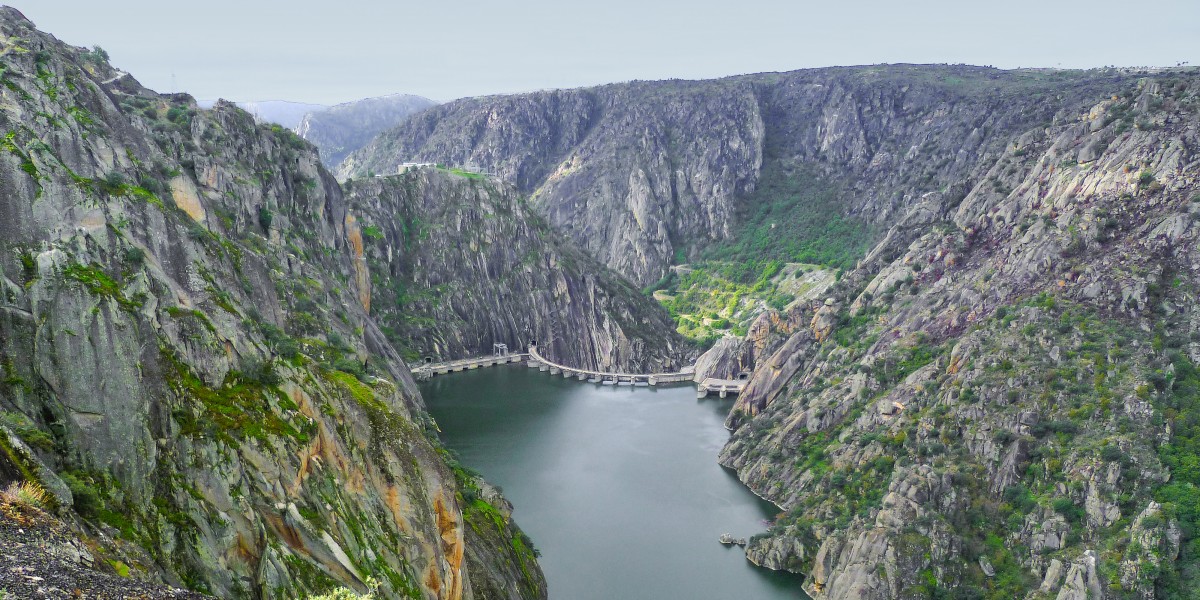
Straddling the Spanish side of the Duero River along the border with Portugal, Arribes del Duero covers more than 100,000 hectares of dramatic river canyon. Here, the river slices through granite, creating cliffs that plunge over 200 metres down to the water.
The microclimate within the gorge allows olive trees, almond trees and even vineyards to thrive in what is otherwise a stark plateau. It’s a deeply rural corner of Salamanca and Zamora provinces, dotted with quiet villages and stone viewpoints.
Highlight: The Pozo de los Humos waterfall after heavy rain, when the spray rises in a cloud above the gorge.
Best thing to do: Take a boat trip along the Duero to appreciate the scale of the canyon and spot griffon vultures circling overhead.
Sierra de Aracena y Picos de Aroche Natural Park
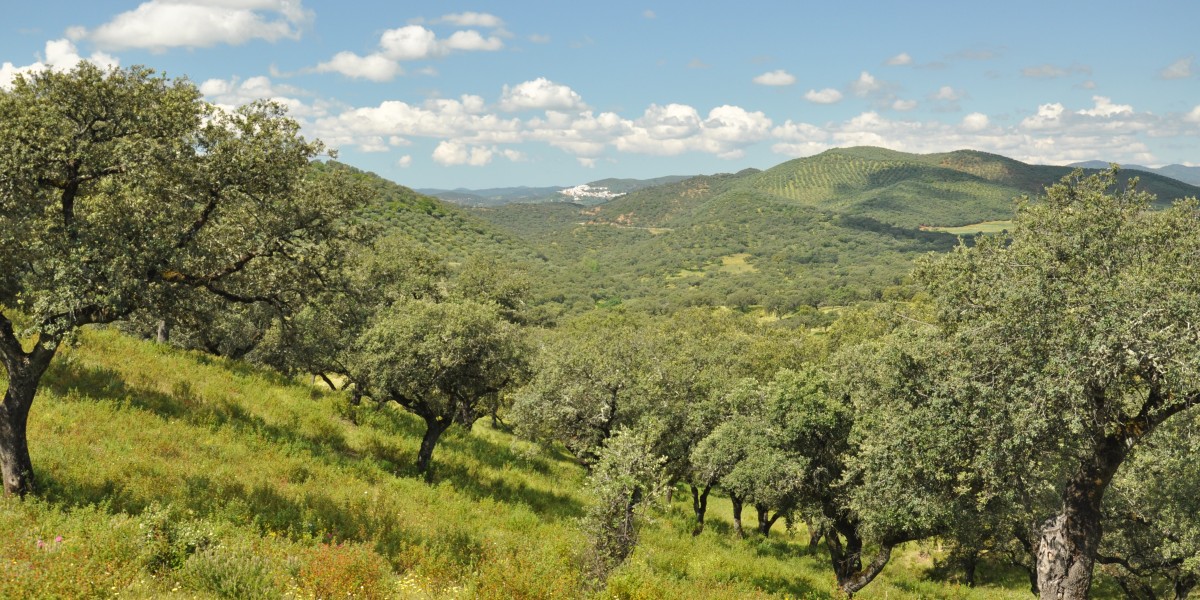
In the western stretch of the Sierra Morena in Huelva province, this park spans around 186,000 hectares of rolling hills and oak-covered pasture. It’s a softer, bucolic landscape compared to high mountain parks, with chestnut groves, cork oaks and white villages such as Aracena and Alájar.
The area’s history is closely tied to Iberian pig farming, and the region remains a stronghold of traditional jamón ibérico production. Declared a natural park in 1989, it protects both biodiversity and long-standing rural livelihoods.
Highlight: The Gruta de las Maravillas in Aracena, a vast cave system of underground lakes and stalactites.
Best thing to do: Walk a section of the Linares–Alájar trail through oak woodland, keeping an eye out for black storks and free-roaming Iberian pigs.
- Holiday rentals in Sierra de Aracena y Picos de Aroche Natural Park
- Property for sale in Sierra, Huelva
Bardenas Reales Natural Park

In southeast Navarra, Bardenas Reales spreads across roughly 42,000 hectares of semi-desert badlands sculpted by wind and erosion. The terrain is all ochre ridges, clay gullies and isolated rock formations that feel almost otherworldly.
Although sparsely populated, it has been used for centuries by shepherds under a unique communal land system. Its stark beauty has drawn filmmakers and photographers in recent years, yet large areas remain wonderfully empty.
Highlight: The Castildetierra rock formation rising like a natural tower from the desert floor.
Best thing to do: Cycle the circular route through La Blanca Baja at sunrise, when the light turns the landscape copper and shadows stretch across the plains.
Stay inspired for your travels in Spain—get our weekly newsletter for the latest travel guides, cultural news, and lifestyle tips.