Spain has launched a national monthly public transport pass, officially called the Abono Único (or Single Season Ticket). It’s part of a broader push to make public transport cheaper and cut reliance on cars, building on earlier rail subsidies.
What is Spain’s monthly public transport pass?
The travel card is a personal, non-transferable 30-day subscription. You choose a start date (within 30 days of purchase), and it’s valid for 30 calendar days from that date.
What does the transport pass include?
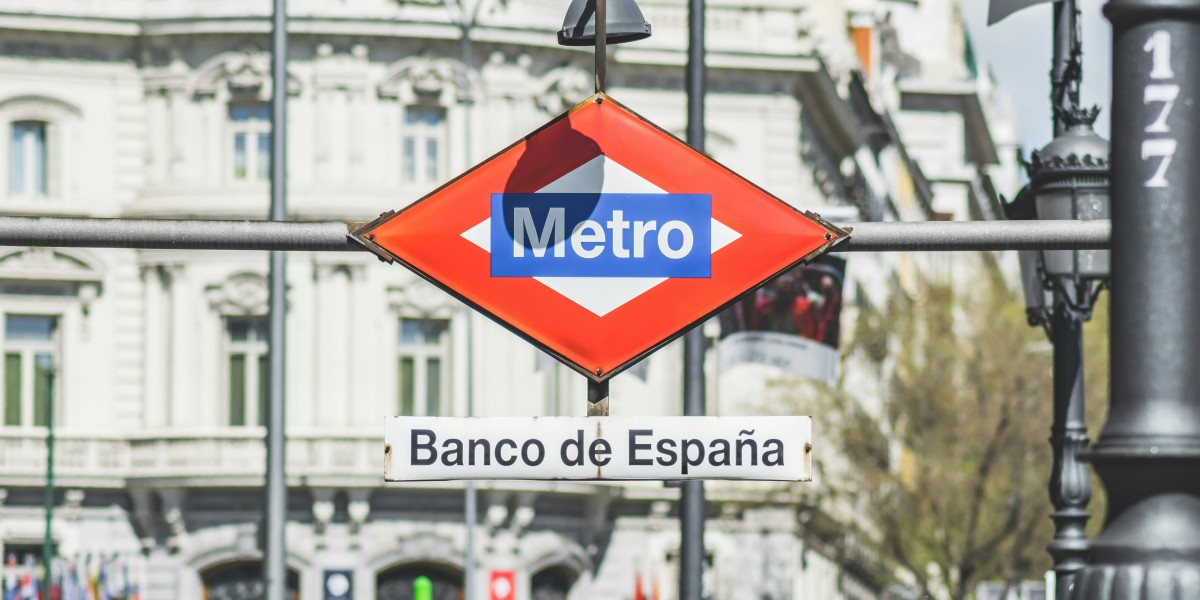
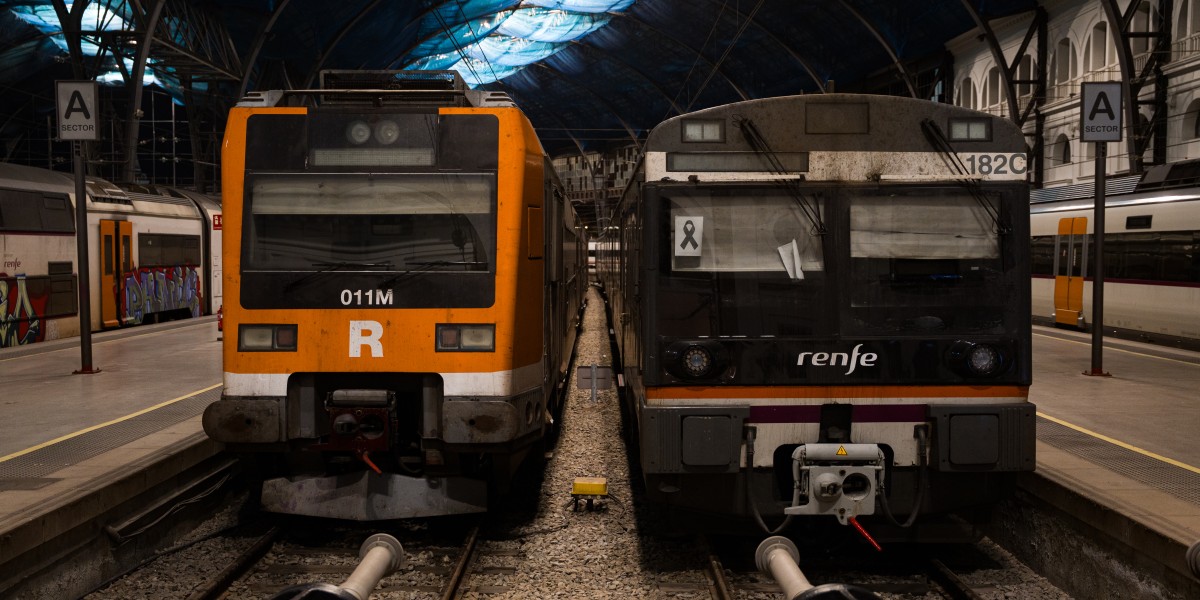
It allows unlimited travel on state-owned interregional buses, Renfe Cercanías and Rodalies (commuter trains), and Renfe Media Distancia (medium-distance trains). It also includes selected AVANT services, including Madrid–Salamanca, Alicante–Murcia, Ourense–A Coruña, and Barcelona–Tortosa.
“Unlimited” travel, but with rules
- Buses: generally one reservation per direction per day, unless you cancel the previous one. On some short routes, you may be allowed two.
- Media Distancia: you can’t book consecutive trains with less than 180 minutes between departures, and you’re limited to four return trips with a seat reservation on the same day.
Who can use Spain’s monthly travel pass
The travel pass is aimed at residents in Spain, not short-term tourists. To use it, you need a valid NIE (or DNI if you’re Spanish), and you must carry it with you when travelling.
There’s also a youth version at €30 per month for anyone aged 26 or under. To get this discounted pass, you have to register in advance on the Ministry website, obtain a discount code, and then use that code when buying the Youth Single Pass.
How the travel pass affects daily life for expats and commuters
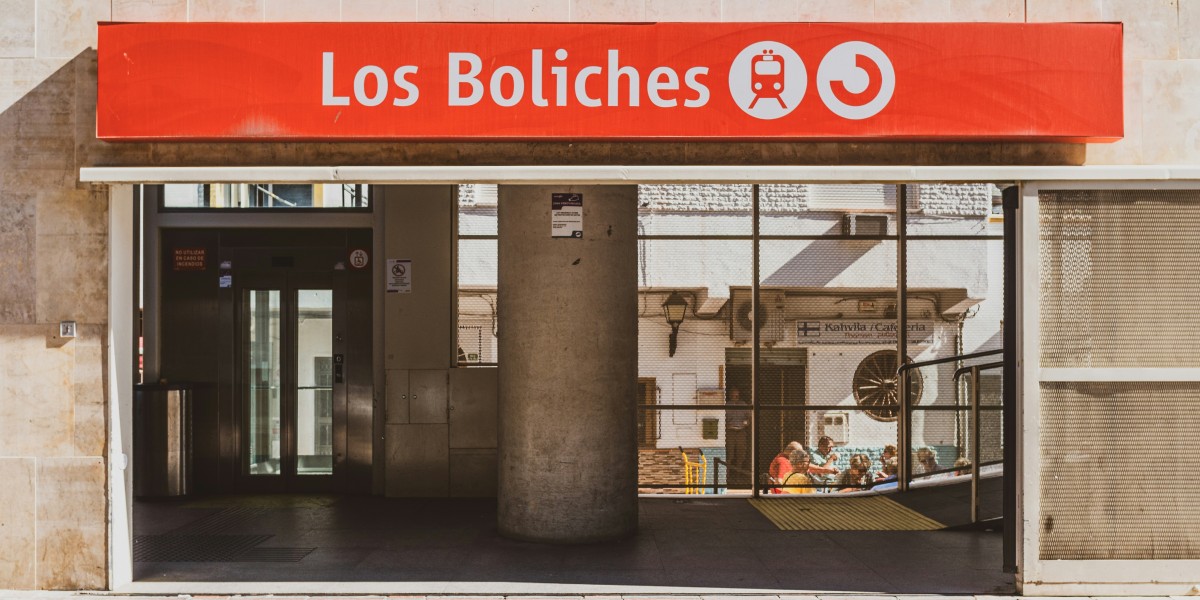
If you’re based in a commuter town outside Madrid, Valencia or Seville, your monthly transport costs are now predictable and capped. That stability changes the equation. Living further from the centre suddenly feels realistic, especially in areas where the commuter belt shows how much more space your housing budget can stretch.
It opens up the option of basing yourself in a smaller, cheaper city while working regionally, choosing a larger flat outside the urban core, or even reconsidering whether you need a car at all.
The scheme also builds on earlier national subsidies such as the Spain-wide Cercanías travel pass for €20 a month, which gave residents a glimpse of what genuinely affordable public transport could look like.
Spain transport pass vs Renfe Spain Pass: what’s the difference?
The Renfe Spain Rail Pass is aimed at tourists. It’s designed for long-distance and high-speed journeys and typically gives you a set number of trips. On the other hand, the Abono Único is a monthly subscription geared towards residents rather than short-term visitors
If you’re moving here, commuting regularly and building a life, the Single Pass makes far more sense. If you’re visiting for a couple of weeks and want to zip between cities on the AVE, the tourist-focused Renfe Spain Pass is the better fit.

Stay in the know about living in Spain as a foreigner—get our weekly newsletter for the latest travel, legal, and lifestyle news.
For a taste of the high life, sign up for the monthly luxury market round-up.