Every year on 29 June, the small town of Haro turns into a sea of purple as thousands gather for the legendary Batalla del Vino. What starts as a religious pilgrimage quickly becomes one of Spain’s most unusual and photogenic festivals.
Set against the vineyards and limestone cliffs of the Riscos de Bilibio, the Haro Wine Festival blends devotion, local pride and a surprisingly organised fight in the wine capital of Rioja.
What is the Haro Wine Festival?

The Haro Wine Festival, also called the Batalla del Vino de Haro, is held every 29 June to mark the feast day of San Pedro. Its centrepiece is a mass pilgrimage to the hermitage of San Felices de Bilibio, followed by a huge wine battle using thousands of litres of Rioja red.
Participants traditionally wear white clothes with a red scarf. By mid-morning, everyone is drenched in wine, and the landscape takes on a distinctly purple tint.
What happens during the Batalla del Vino?
The day begins early in Plaza de la Paz, Haro’s main square.
- At 6:45 am, a marching drum band plays lively wake‑up tunes that echo through the old town.
- At 7:15 am, the pilgrims set off on foot towards the chapel.
At 8:00 am, mass is held at the chapel.
Once the rocket is fired, the wine battle officially begins. Bands provide live music while participants soak each other using buckets, bottles and water pistols filled with red Rioja.
- By around 11:00 am, many head back to town, where Plaza de la Paz fills again with music.
- At 12:00 pm, the pilgrims arrive back in the square and perform a traditional dance.
- They then parade to the Plaza de Toros, where several young bulls are run in a traditional display.
- At 2:00 pm, a special San Pedro lunch is held, marked by the final rocket signalling the end of the official festivities.
Haro Wine Festival 2026: key dates and practical details

- Date: Monday 29 June 2026
- Main event: Batalla del Vino at 8:00 am after mass
- Location: Riscos de Bilibio, around 6 km outside Haro
- Town centre events: Plaza de la Paz and Plaza de Toros
No ticket is required for the wine battle itself. Some additional events around town may require booking, particularly organised winery visits.
It’s worth noting that this is a working agricultural region and a traditional religious festival at heart. While the atmosphere is lively, locals take the pilgrimage element seriously.
History and origins of the Haro Wine Festival

The roots of the festival lie in medieval pilgrimages to honour San Felices de Bilibio, a 6th‑century hermit who lived in the cliffs above the River Ebro. Each year, residents of Haro would walk to the hermitage, attend mass and share food and wine.
Over time, the wine‑sharing became more playful and competitive. By the late 19th century, it had evolved into the organised soaking that defines the modern Batalla del Vino. It was officially declared a Festival of National Tourist Interest in Spain, cementing its place in the country’s cultural calendar.
Haro and La Rioja’s wine culture

You can’t separate the Haro Wine Festival from the wider identity of La Rioja, Spain's least visited region. Haro has long been at the centre of the region’s wine trade, particularly around the historic Barrio de la Estación, where several major bodegas sit side by side.
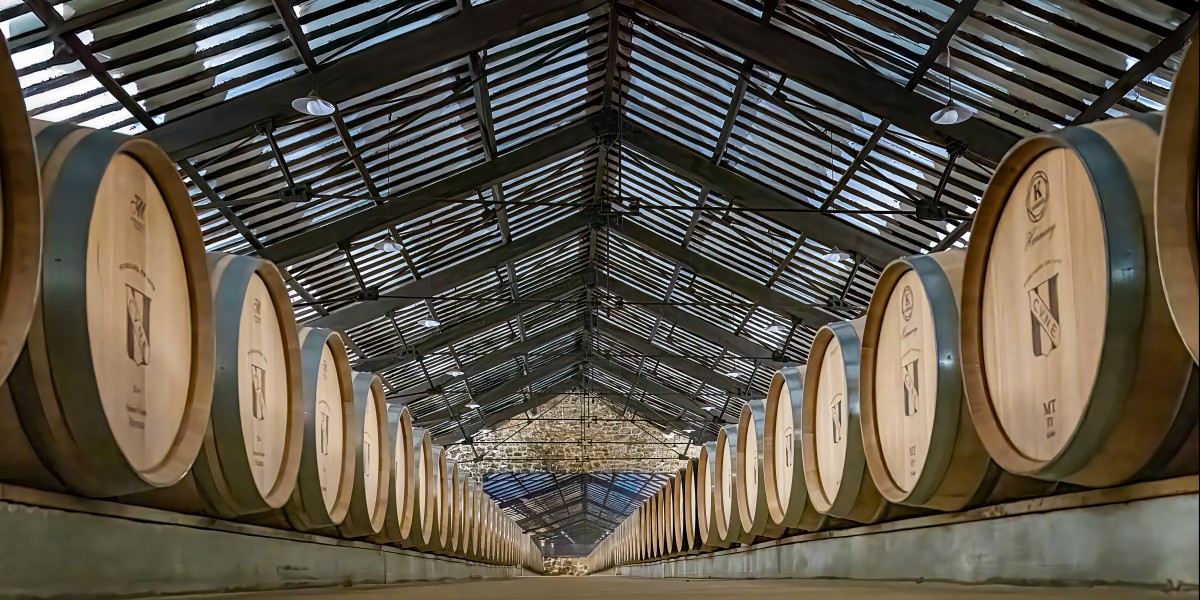
Names such as López de Heredia, La Rioja Alta, CVNE and Bodegas Muga draw wine lovers throughout the year. Many offer guided tastings and cellar tours, giving context to the very wine being thrown around during the festival.
Outside festival week, Haro is a relaxed base for exploring vineyards, cycling quiet country roads and visiting smaller family‑run producers across Rioja Alta.
Attending the Haro Wine Festival in 2026
Haro is well connected by road and rail. It’s around 45 minutes by car from Logroño and just over an hour from Bilbao. Train services link Haro with both cities, though festival day timetables can be busy.
Accommodation fills up quickly for the night of 28 June. Many visitors stay in Logroño or even Bilbao and travel in early.
A few practical tips that make the day easier:
- Wear old white clothes and closed shoes with grip.
- Protect your phone and valuables in sealed plastic.
- Bring a change of clothes for the journey back.
- Expect staining. Rioja red does not wash out easily.
Despite appearances, the atmosphere is generally good‑natured and family‑friendly earlier in the day. By mid‑afternoon, things settle into a more traditional town‑festival rhythm.
Stay informed on visiting and living in Spain with our weekly newsletter, delivering the latest travel, legal, and lifestyle news.