Spain welcomed nearly 96.8 million tourists in 2025, the highest figure in its historical series. In June 2025 alone, Cataluña recorded almost 2 million tourists and Andalucía 1.4 million. La Rioja, by contrast, recorded just over 18,000 tourists in the same month, making it the least visited region in Spain.
According to the Telegraph, only around 10,000 Britons visit the region annually, out of a staggering 19 million who come to Spain each year.
For anyone looking at where to go in Spain without crowds, the numbers speak for themselves.
Why is La Rioja so little visited?
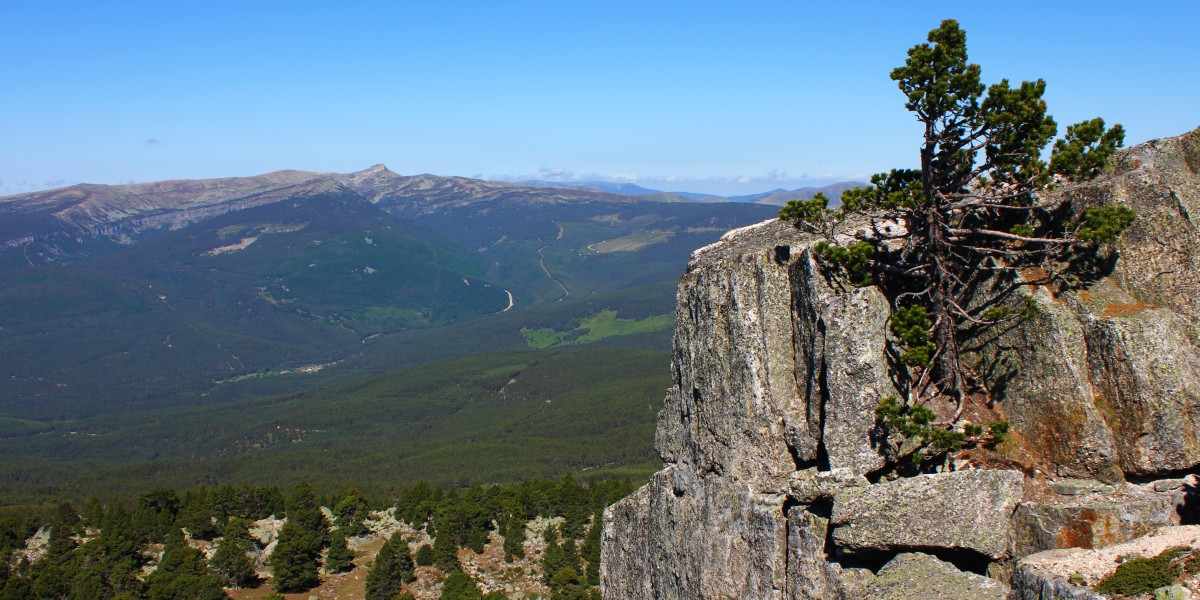
La Rioja’s low visitor figures are arguably largely down to scale and geography.
It is Spain’s smallest mainland autonomous community. There is no coastline and no major international airport. Most international visitors arrive via Bilbao, in the Basque Country, and continue by road.
Despite being labelled one of the most underrated regions in Spain, La Rioja is not empty. In fact, 2024 was a record year with around 850,000 visitors, as reported by NueveCuatroUno, 180,000 of which were international arrivals. Yet when compared with regions receiving 15–20 million tourists annually, it remains exceptionally quiet.
That difference shapes the experience. Historic centres feel lived-in rather than staged, and vineyard visits tend to unfold at a slower pace.
A wine region without the mass tourism of Tuscany
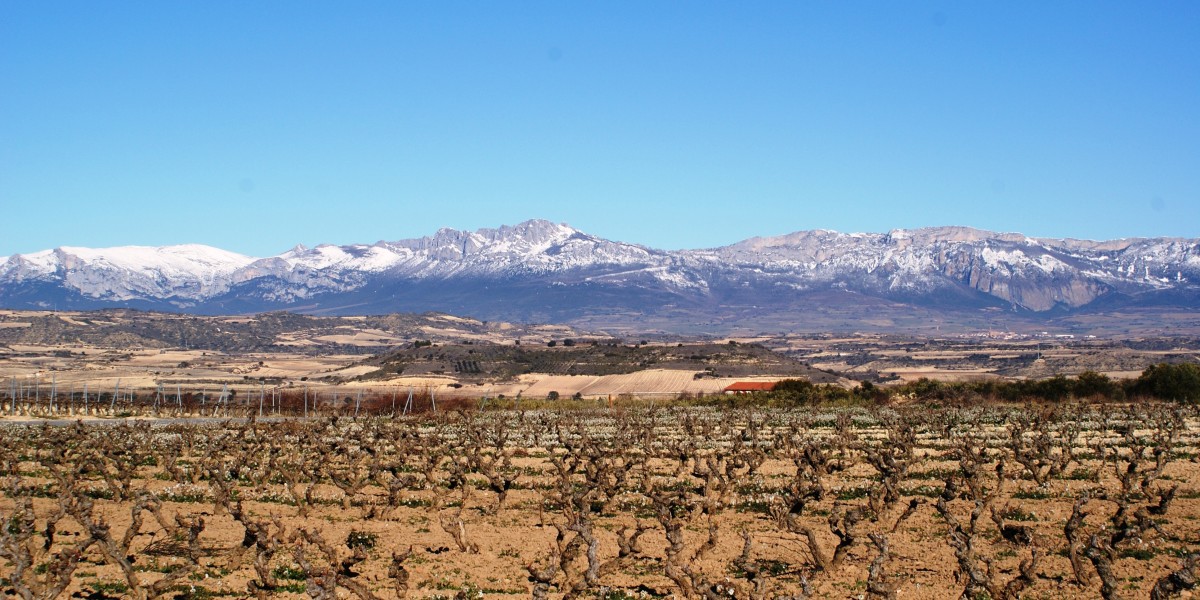
Among wine regions in Spain to visit, Rioja holds serious weight. The Denominación de Origen Calificada (DOCa) Rioja is internationally respected, and wine tourism in Spain has grown steadily in recent years. What sets La Rioja apart is the contrast between global reputation and modest visitor numbers.
Rioja’s global standing is reflected in international accolades, including Forbes’ 2025 ranking of the best wineries in the world, where Spanish cellars feature prominently.
International demand for Rioja’s wineries
Interestingly, while La Rioja is described as Spain’s least visited region, its wineries draw a notably international audience.
According to La Rioja newspaper, in 2025 international visitors accounted for just over one third of all recorded winery visits within the DOCa Rioja territory. The largest share came from the United States, followed by the UK, with Germany in third place.
So while overall tourist numbers remain modest, the region’s enotourism sector clearly resonates well beyond Spain. For wine lovers looking for the next route, that balance between global prestige and manageable visitor flows is part of the appeal.
Medieval monasteries and the origins of written Spanish
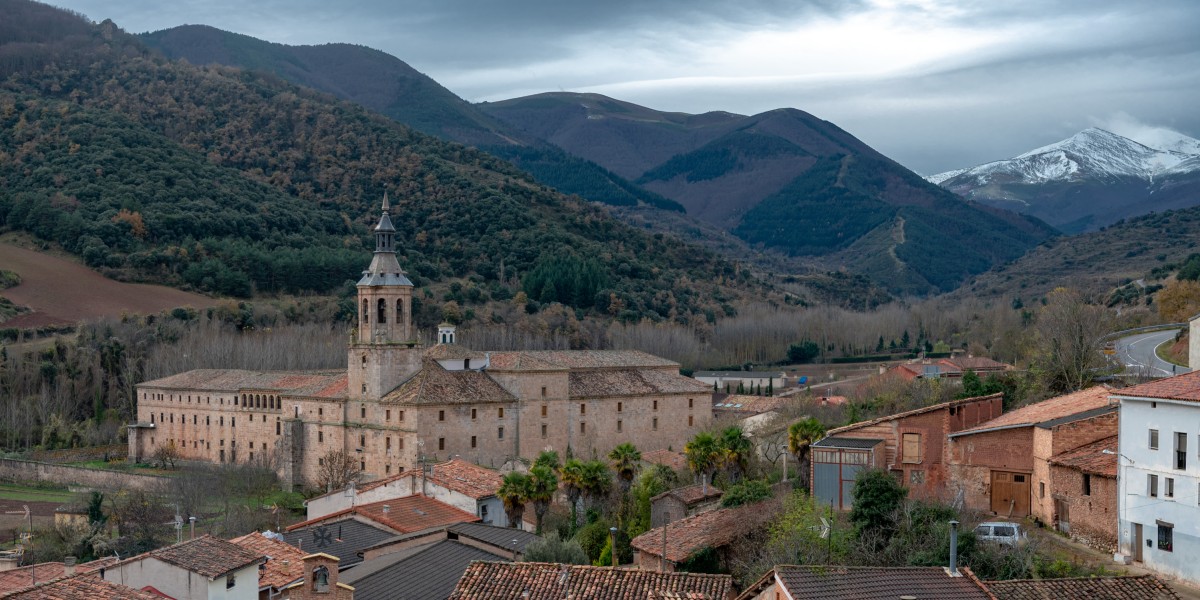
Beyond vineyards, La Rioja carries considerable historical significance.
San Millán de la Cogolla is closely associated with some of the earliest written words in Spanish. The monastic complex is recognised internationally and sits in a rural setting rather than a heavily urbanised one.
The Camino de Santiago also passes through La Rioja, linking the region to centuries of pilgrimage routes across northern Spain. Romanesque churches and medieval settlements form part of the landscape.
Beyond the vineyards: natural La Rioja
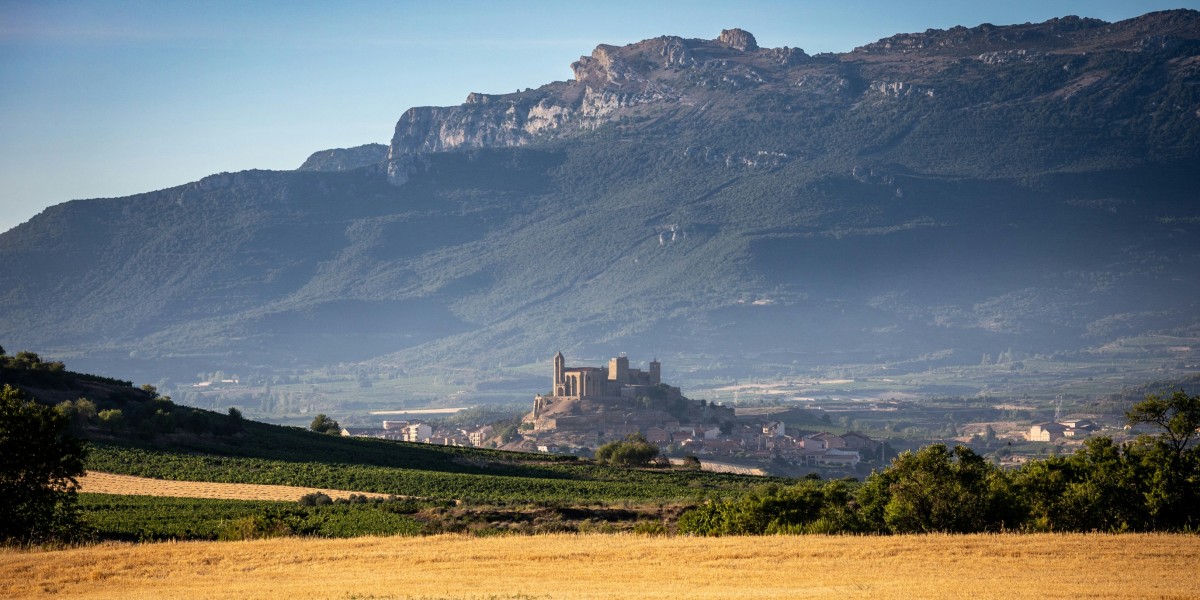
La Rioja has corners that feel far more low-key and locally rooted than other parts of Spain.
Termas de Arnedillo: hot springs by the river
In the small town of Arnedillo, you’ll find the Termas de Arnedillo — open-air thermal pools that are free to use and accessible year-round.
The water emerges at high temperatures and cools as it flows into stone basins beside the river. This is a simple, communal bathing spot where locals and in-the-know visitors soak under the open sky.
Sierra de Cebollera: La Rioja’s mountainside
If La Rioja is usually associated with vineyards, the Sierra de Cebollera Natural Park reveals a very different landscape. Located in the south-west of the region, the park is shaped by its glacial past, with features such as wide valleys and sweeping pine and beech forests.
Peaks rise above 2,000 metres, and marked trails cut through wooded valleys and open mountain terrain, creating a cooler, more rugged setting than the wine-producing plains below.
Landscapes made for slow travel
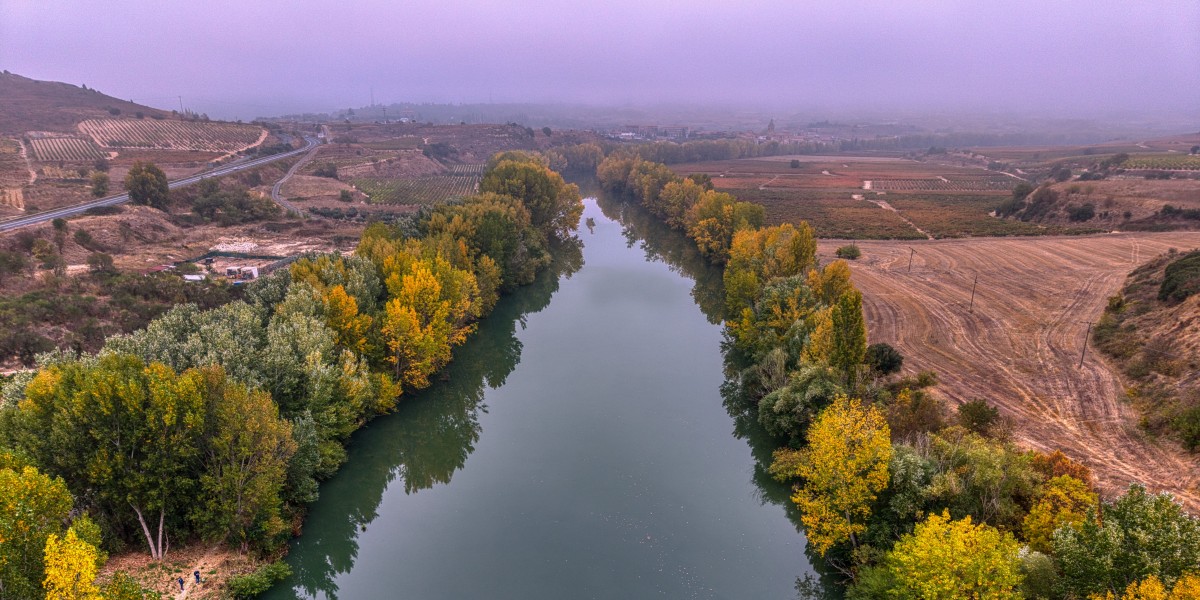
La Rioja’s scenery shifts within short distances:
- Vineyard-covered plains in the Ebro Valley
- Agricultural land interspersed with small villages
- Mountainous areas such as the Sierra de la Demanda
Harvest season in September and October brings particular activity to the region, as grape collection marks the peak of the agricultural calendar.
Who is La Rioja ideal for?
La Rioja tends to appeal most to:
- Wine enthusiasts interested in vineyard visits within the DOCa Rioja
- Travellers who have already explored Spain’s larger cities
- Couples seeking quieter short breaks
- Visitors combining northern Spain with the Basque Country or Navarra
- Remote workers looking for a calmer environment
It may feel less suited to those prioritising beaches or large-scale nightlife. The region’s character is defined more by vineyards, medieval heritage and landscape than by resort infrastructure.
Living in Rioja
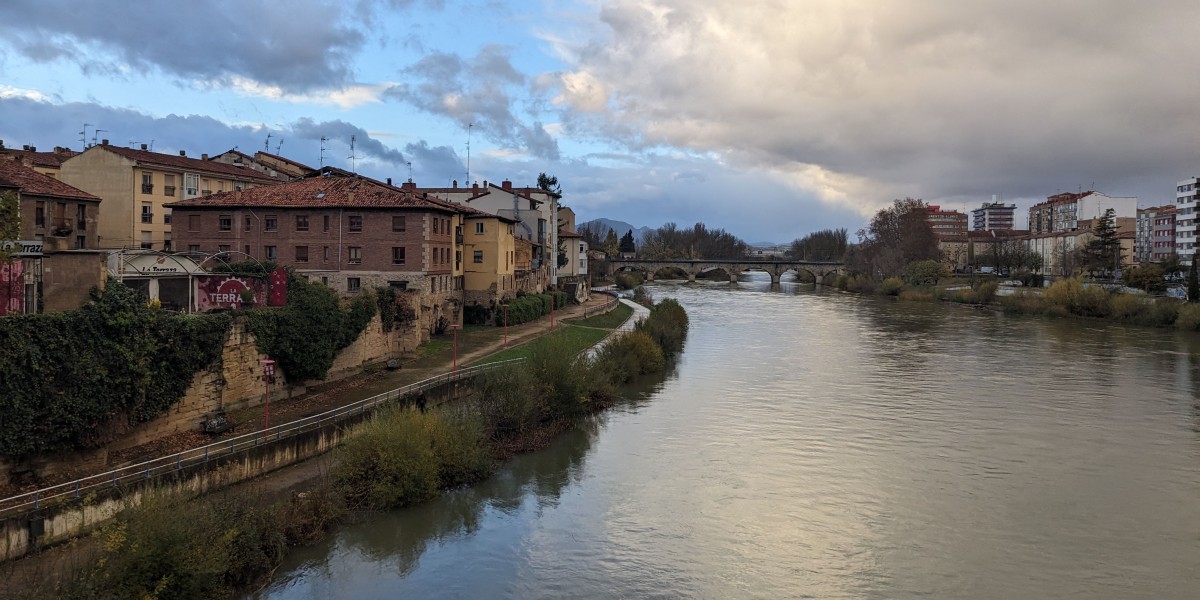
If the idea of staying longer has crossed your mind, La Rioja is one of those places where daily life feels manageable rather than overwhelming.
- Logroño functions as the practical hub, with shops, healthcare and schools.
- Smaller towns like Calahorra, Arnedo or the village of Haro, famous for its annual wine festival, move at a much slower pace.
One particularly interesting development is that the regional government has introduced incentives aimed at younger buyers, including schemes where La Rioja pays under-45s to buy homes in its smallest villages. It reflects a broader effort to tackle depopulation in rural areas and attract new residents.
Property market in La Rioja
Property prices in La Rioja averaged €1,487 per m² in May 2026, well below the Spanish national average of €2,795 per m² and dramatically lower than Madrid’s €5,984 per m² during the same month.
Even in Logroño, the regional capital, prices stood at €2,109 per m², which remains modest compared with Spain’s larger metropolitan areas. The trade-off, however, is fewer job opportunities and more limited public transport in remote areas.
Stay in the know about living in Spain as a foreigner—get our weekly newsletter for the latest travel, legal, and lifestyle news.
For a taste of the high life, sign up for the monthly luxury market round-up.