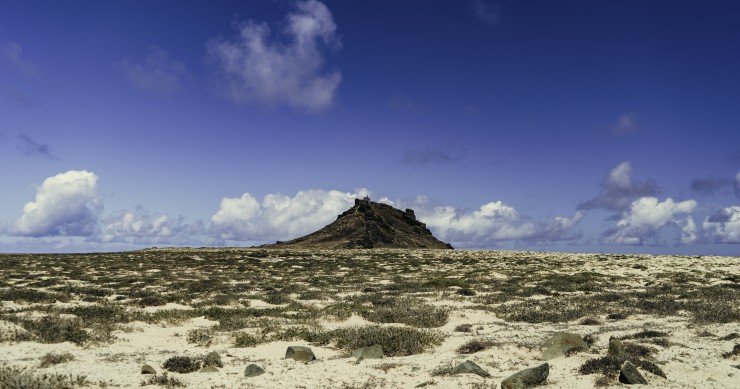
In the heart of the vast Atlantic Ocean lies a remarkable corner of Spanish territory where time appears to stand still and silence dominates the landscape.
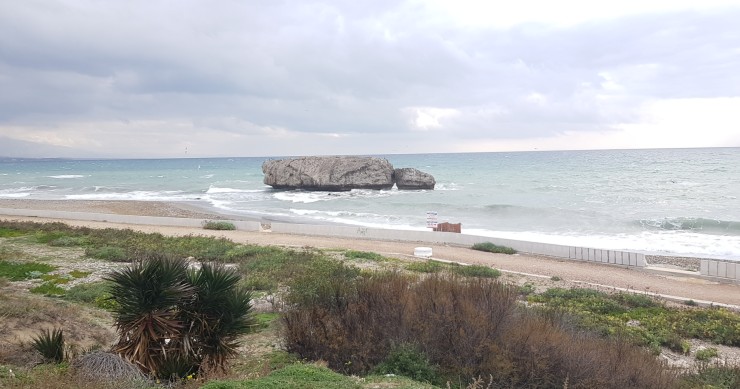
Perched on the Atlantic edge of Cádiz province, Chipiona is one of those places that manages to fly under the international radar, even though Spaniards have loved it for generations.
Set on the sunny Costa Brava, Lloret de Mar draws sunseekers, students and families with its lively beaches, blue Mediterranean waters, and reputation for resort life.
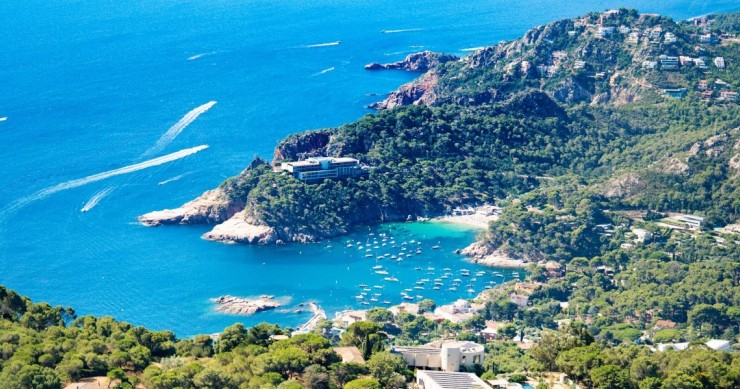
Tossa de Mar is one of those rare Costa Brava towns where time slows down as you wind your way through its cobbled medieval streets and gaze out over the Mediterranean. With a population of around 6,000, living in Tossa de Mar means swapping the bustle for a more local rhythm.
Ask around in Spain’s wild swimming community and you’ll quickly learn that this country is about more than just its sun-drenched coast. Spain's rich mix of emerald-green rivers, sparkling mountain gorges and hidden lagoon-like pools means wild swimming isn't just a summer escape.
Andalusia is a region renowned for its exquisite gastronomy and, notably, its rich winemaking heritage. Its diverse array of wines has garnered international recognition, making wine a cornerstone of the region’s culinary culture.
Situated in the heart of Ibiza, Las Dalias is a market that epitomises the bohemian and multicultural spirit that has defined the island for decades.Founded in 1954 as a modest artisan market, Las Dalias has evolved into an iconic gathering place where art, music, fashion and spirituality seamlessly
Join us on a journey along the Spanish coast, where we'll uncover hidden treasures nestled in charming seaside towns that often escape the tourist radar.
Spain’s coastline is world-famous, attracting millions of visitors each year to its beaches, from the Costa Brava and Andalusia to the Canary and Balearic Islands.
The Ses Salines Natural Park is one of the most iconic and valuable natural areas in the Balearic Islands between Ibiza and Formentera. It is protected for its exceptional biodiversity, rich ecosystems and significant historical and cultural heritage.
If you’re dreaming of a new adventure in sunny southern Spain, Paymogo might just catch your eye. With a population of only around 1,100 residents, this small town near the Portuguese border is now taking bold steps to welcome newcomers.
Tucked away in a picturesque corner of the Pyrenees lies a small town that defies geographical logic and sparks curiosity due to its unique location. Os de Civís, situated in the province of Lleida, is a pene-exclave – a place on the Iberian Peninsula that can only be accessed from Spain by passing through another country. Remarkably, the only way to reach this Catalan village is via Andorra.
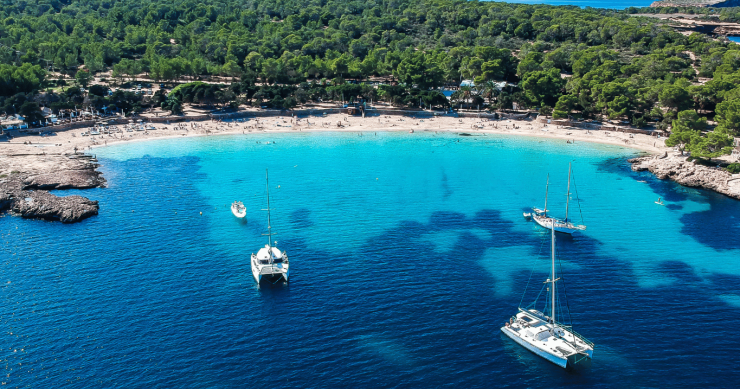
Set in the crystal-clear waters of the Mediterranean, Ibiza is much more than just a party island—it’s a place with breathtaking beaches, charismatic towns, and a relaxed way of life that appeals to a diverse international community.
Tucked just inland from the golden sands of the Costa Dorada, Reus is one of those Catalan towns that quietly wins people over. With just over 100,000 residents, it is known for its rich Modernist architecture, lively street life, and that unmistakably local feel.
Set on the banks of the Guadalquivir River in southern Spain, Córdoba is a city where ancient beauty rubs shoulders with everyday life. Famous for its Mezquita and pretty, flower-filled patios, Córdoba offers a slower, sun-soaked pace without losing its buzz.
Three hundred eighty-two metres above the sea off the southwest coast of Ibiza, is the island of Es Vedrà, one of the most iconic and mysterious landmarks on the Balearics.
Orihuela is a historic inland town in the Alicante province, well-known for its stunning old town, traditional fiestas, and beautiful mountain backdrop.