Spain’s coastline continues to lead the way in 2026, with 677 Blue Flag beaches in total, four more than last year and the highest number of any country worldwide.
The recognition goes beyond the sand. This year, 111 marinas and six tourist boats have also been awarded Blue Flags, underlining the overall quality, safety standards and environmental management across Spain’s coastal areas.
- Blue Flag beaches by region
- What is a Blue Flag beach, and why does it matter in Spain?
- Special Blue Flag mentions
- Standout Blue Flag beaches for 2026
- New 2026 Blue Flag beaches
- Fuente de los Baños: Spain’s Blue Flag thermal river beach
- Madrid's one Blue Flag Beach
- 7 beaches have held the Blue Flag for over 30 years
- Spain's most beautiful Blue Flag beaches
Blue Flag beaches by region
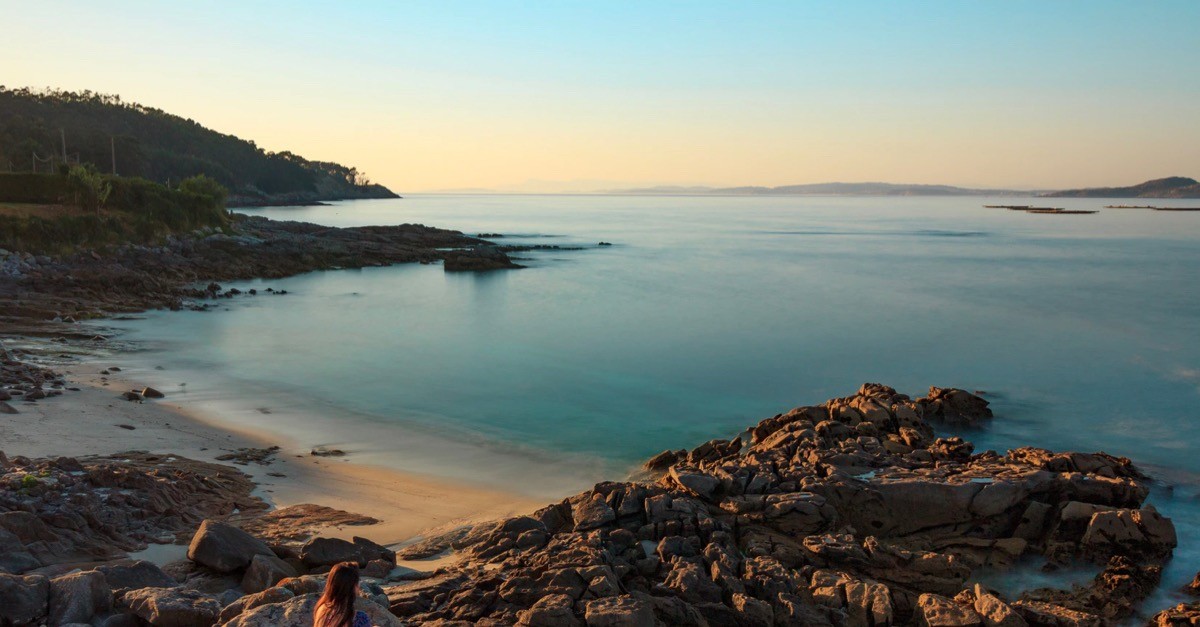
The Valencian region comes out on top this year with 152 Blue Flag beaches, so if you fancy a dip somewhere with a stamp of quality, you know where to start looking. Andalusia is not far behind with 143 Blue Flags - eight more than last year - and Galicia comes third with 118.
What is a Blue Flag beach, and why does it matter in Spain?
A Blue Flag beach in Spain meets strict international standards for water quality, cleanliness, safety, accessibility and environmental management. To qualify, beaches must have clean bathing water, lifeguards, proper facilities, disabled access and clear environmental practices in place.
For anyone living in or visiting Spain, the Blue Flag system is a reliable sign of a clean, safe and well-managed beach. It highlights coastal spots that take swimmer safety, sustainability and accessibility seriously, backed up by Spain’s beach regulations and enforcement.
Special Blue Flag mentions
For 2026, the Special Blue Flag Mentions recognise municipalities that have gone further in key areas such as lifeguard services, environmental education, universal accessibility and promoting healthy beach initiatives.
Among those highlighted this year are Chiclana de la Frontera (Cádiz), Arucas (Las Palmas), Alcúdia and Muro (Illes Balears), Gandía (Valencia), Los Realejos (Santa Cruz de Tenerife), Fuengirola, Torremolinos and Mijas (Málaga), and Santa Pola (Alicante).
Standout Blue Flag beaches for 2026
Alongside the official Blue Flag awards, a handful of beaches stand out this year for their setting, facilities and the overall experience they offer on the ground.
- El Socorro in Los Realejos (Tenerife) is a dramatic stretch of dark volcanic sand backed by cliffs, popular with surfers and walkers.
- El Campello on the Costa Blanca holds two Blue Flags and combines long, well-kept sandy beaches with a lively promenade, good seafood spots and easy tram links into Alicante.
- San Pedro del Pinatar in Murcia sits beside the Mar Menor’s salt flats, so you get calm, shallow waters on one side and Mediterranean waves on the other.
- Oropesa del Mar in Castellón brings together family-friendly urban beaches with quieter coves, along with a marina, summer events and easy access to the old town.
- The Playas de Isla in Arnuero (Cantabria) continue to set the standard in northern Spain, with wide sandy bays framed by green hills and rock formations.
- Palafrugell on the Costa Brava ties together small coves such as Calella de Palafrugell and Llafranc with coastal paths, clear water and a strong food scene.
New 2026 Blue Flag beaches

Spain has added another batch of first-time Blue Flag beaches for 2026, stretching right across the north coast, the Mediterranean and the Canary Islands. The new entries include:
- El Franco, Porcia (Asturias): a rugged Asturian beach of sand and pebbles backed by green cliffs.
- Navia, Navia (Asturias): a broad sandy beach at the mouth of the Navia estuary.
- Las Burras, Tirajana (Gran Canaria): a sheltered, golden-sand beach in the south of Gran Canaria with an easy-going, residential feel.
- L’Advocat, Benissa (Alicante): a small cove edged by rocky outcrops and clear water that draws snorkellers.
- Puerto Blanco, Calp (Alicante): a compact beach near Calp’s marina, with clear Mediterranean water and views towards the Peñón de Ifach.
- Racó, Calp (Alicante): set at the foot of the Peñón de Ifach, Racó is a pebbly stretch with transparent water that suits swimmers and divers.
- Cala Lanuza, El Campello (Alicante): a quieter cove north of El Campello, with a mix of sand and pebbles.
- Pla de la Torre, Almassora (Castellón): a wide, open beach with coarse sand and a more peaceful feel than busier stretches.
- El Brosquil, Cullera (Valencia): a quieter part of Cullera’s coastline, offering a broad sandy beach away from the main resort centre.
- El Mareny de Sant Llorenç, Cullera (Valencia): a relaxed, residential beach area with fine sand and open views along the Valencian shoreline.
- Niñóns, Ponteceso (A Coruña): a crescent-shaped Galician beach framed by rocky hills, with Atlantic waves and a distinctly untamed feel.
- O Laño, Poio (Pontevedra): a small beach along the Ría de Pontevedra with calm waters typical of the sheltered Galician rías.
- Pampaído, Sanxenxo (Pontevedra): a compact beach near one of Galicia’s best-known seaside towns.
Fuente de los Baños: Spain’s Blue Flag thermal river beach

Fuente de los Baños picked up a Blue Flag last year, marking a real milestone. It’s the first inland beach in Castellón to be awarded, and only the second in the whole of the Valencian region. Plus, it's the only spot in Spain set along a thermal river to receive this recognition.
Madrid's one Blue Flag Beach
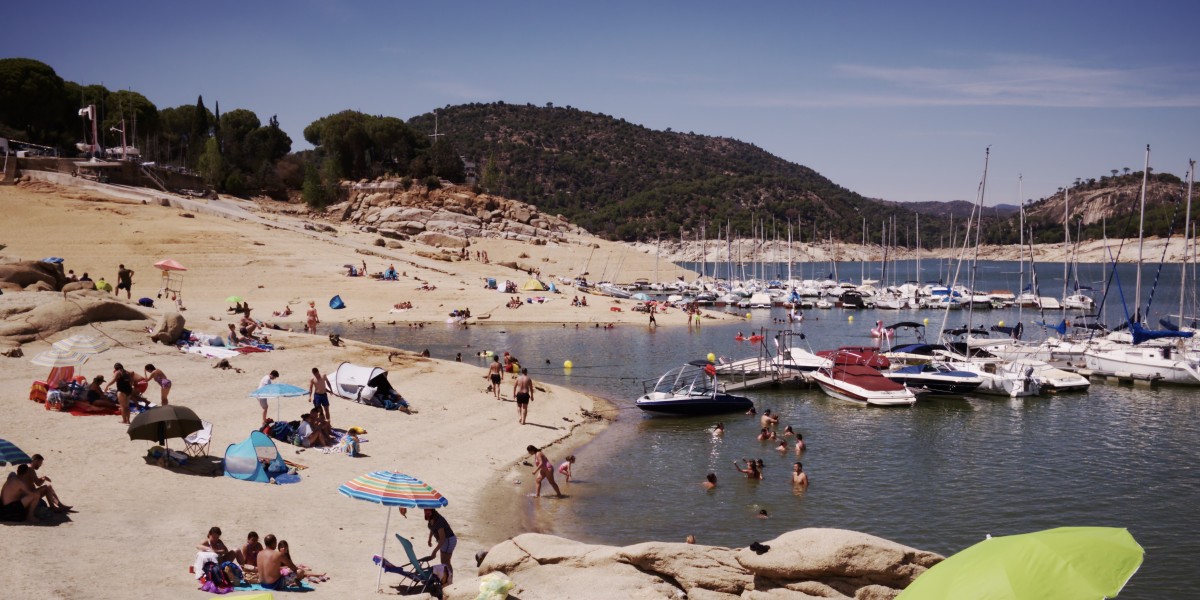
Madrid isn’t the first place that springs to mind for a day at the beach, but Virgen de la Nueva beach in San Martín de Valdeiglesias is breaking the mould.
Tucked beside the San Juan reservoir, it’s the region’s only Blue Flag beach, offering clean water and a genuine slice of summer just over an hour from the city.
7 beaches have held the Blue Flag for over 30 years
A handful of beaches in Spain have never missed a beat, keeping their Blue Flag flying for an impressive 37 years straight. Since the very beginning in 1987, El Carregador in Alcalá de Xivert, Sant Joan in Alicante, La Fossa in Calpe, Carrer de la Mar in Campello, Sant Antoni in Cullera, Nord in Gandia and Bastiagueiro in Oleiros have all managed to hold onto this top coastal award without a single break.
Spain's most beautiful Blue Flag beaches
With such a large and varied coastline, it's hard to pinpoint which are the top Blue Flag beaches in Spain. It comes down to preference and whether you're looking for a great family-friendly beach to spend the day with the kids, a doggy beach where four-legged friends are welcome, or a wild, surfing spot to ride the waves.
Stay inspired for your travels in Spain—get our weekly newsletter for the latest travel guides, cultural news, and lifestyle tips.