On the eastern edge of the Costa del Sol, things to do in Nerja stretch well beyond a day on the sand. Its historic centre has a lived-in rhythm, the Mediterranean is never far away, and the mountains rise sharply behind town.
A sizeable international community lives here, but daily life still runs largely on local Spanish timetables, particularly outside summer.
What to see in Nerja in one day
A sensible first day in Nerja combines the old town, the coast and the Nerja Caves, allowing time for a proper lunch rather than trying to tick off every beach.
Balcón de Europa
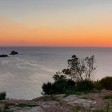
The Balcón de Europa is Nerja’s central seafront promenade and lookout point, built around the former site of a fortress. It sits above small coves and gives broad views across the Mediterranean and along the coast towards the cliffs of Maro-Cerro Gordo.
Nerja Caves
A few kilometres east of the centre, the Nerja Caves (Cueva de Nerja) are the town’s headline cultural site. The vast chambers contain striking rock formations, including the Great Column in the Cataclysm Gallery, regularly cited among the largest cave columns in the world.
The cave has considerable archaeological importance, although access to areas containing prehistoric art is restricted for conservation. The adjacent Nerja Caves Museum and botanical garden add context for anyone interested in the site beyond its dramatic geology.
Burriana Beach
Burriana Beach is Nerja’s best-equipped beach, with sunbed hire, watersports and plenty of places for lunch. It is broad by local standards, yet it gets packed in July and August, particularly around the central access points.
For a more low-key swim, the smaller beaches near the Balcón de Europa, including Calahonda and Carabeo, have a much more enclosed setting.
Nerja old town
Nerja’s old town is compact enough to explore without a plan. Around Calle Pintada, Plaza de España and the lanes behind the Balcón de Europa, whitewashed façades, small squares and local bakeries sit alongside the inevitable holiday shops.
The Church of El Salvador, completed in the 17th century and altered over time, is worth a quick stop for its ceiling paintings and position beside the viewpoint.
Parque Verano Azul
Parque Verano Azul holds a replica of La Dorada, the boat associated with the much-loved Spanish television series Verano Azul. The show aired in the early 1980s, but its Nerja locations remain a point of nostalgia for Spanish visitors.

What to see in Nerja in two days
A second day works well for Nerja’s lesser-known heritage, a quieter stretch of coast and time in nearby Maro.
Acueducto del Águila
The Eagle Aqueduct (Acueducto del Águila) is a 19th-century brick aqueduct built to carry water to the former Maro sugar factory. Its four tiers of arches cross a lush ravine near the road between Nerja and Maro.
Museo de Nerja
Museo de Nerja is a small but well-curated museum near Plaza de España. It traces local history from prehistory and the Nerja Caves through Roman and Islamic periods to the town’s more recent development.
Maro and the coastal cliffs
The village of Maro lies just east of Nerja, near the protected Acantilados de Maro-Cerro Gordo coastline. The scenery here is more rugged, with cliffs, clear water and small beaches reached by winding roads or paths.

What to eat in Nerja
Nerja’s food scene leans strongly towards Málaga and Axarquía cooking. Beachfront menus can be hit-and-miss in the busiest spots, so it pays to look for places with short menus, seasonal fish and plenty of local custom.
- Pescaíto frito: lightly floured and fried fish, often including anchovies, squid or red mullet.
- Espetos de sardinas: sardines grilled on skewers over an open fire, particularly associated with the Málaga coast.
- Ajobacalao: a local-style salted cod dish, often served around Easter and in traditional kitchens.
- Ajo blanco: a chilled almond and garlic soup, especially welcome in warmer weather.
- Migas: breadcrumb-based comfort food, commonly served with peppers, meat or grapes depending on the season.
- Axarquía raisins and sweet wine: the surrounding area has long produced muscat grapes, raisins and fortified wines.
Paella appears on plenty of menus, but it is not a Nerja speciality. For something more rooted in the area, grilled fish, sardine skewers and Axarquía produce are the better bet.

Day trips and surroundings of Nerja
Nerja is well placed for day trips around eastern Málaga province, though rural journeys are easier with a car.
Frigiliana
Frigiliana sits inland above Nerja and has a steep, maze-like historic quarter with views down to the sea. It is attractive, but very popular in daytime, so early morning or late afternoon feels more relaxed.
Río Chíllar
The Río Chíllar walk has long been popular for wading through shallow water and narrow gorge sections. Its popularity also created environmental pressure and safety concerns, so access rules and seasonal restrictions can change.
Sierras de Tejeda, Almijara y Alhama Natural Park
The Sierras de Tejeda, Almijara y Alhama Natural Park begins close to Nerja and contains demanding mountain terrain, marked trails and far-reaching coastal views.
Torrox
About 10 kilometres west of Nerja, Torrox has a coastal promenade, wide beaches and a separate inland old town. It is less compact and photogenic than Nerja’s centre, but it can feel more practical for a long beach walk, particularly around Torrox Costa.

Living in Nerja in 2026
Living in Nerja appeals to people after a smaller coastal base with access to nature, a settled international community and a manageable town centre. English is widely heard in hospitality and property circles, but Spanish remains essential for administration, healthcare, tradespeople and getting properly involved in local life.
The climate is mild by European standards, though summers are hot and dry, and water restrictions are a recurring reality across parts of Andalucía. Winter is quieter, but Nerja is not a ghost town: it has year-round residents, schools, health services and everyday shops.
The trade-offs are transport and housing. Without a car, getting around the wider area can feel limiting, while Málaga’s airport and city amenities are not as close in practice as a map suggests when traffic is heavy. Long-term rental supply can also be tight, particularly in central Nerja and near the beach.

Stay in the know about living in Spain as a foreigner—get our weekly newsletter for the latest travel, legal, and lifestyle news.