Madrid and Barcelona have drifted well past the point where €200,000 secures a comfortable, centrally located flat. But there’s a new mid-priced sweet spot emerging.
In several provincial capitals with solid infrastructure, steady demand and a proper cultural scene, €200,000 is still enough for an 80m² apartment and a genuinely urban lifestyle.
Spain’s under-€200k city shortlist
City | Approx. price for 80m² (Feb 2026) | City profile | High-speed rail? |
|---|---|---|---|
Oviedo | €178,560 | Provincial capital (Asturias), administrative centre | Yes |
Zaragoza | €176,640 | Provincial capital (Aragón), major regional hub | Yes |
Valladolid | €160,480 | Provincial capital (Castile and León), university city | Yes |
León | €148,400 | Provincial capital, university city | Yes |
Córdoba | €138,000 | Provincial capital (Andalucía), historic centre | Yes |
Almería | €132,720 | Coastal provincial capital (Andalucía) | No AVE |
Castellón de la Plana | €126,240 | Coastal provincial capital (Valencian Community) | Yes |
Zaragoza: big skies, big avenues and proper urban scale
Sitting between Madrid and Barcelona, Zaragoza has wide boulevards, Roman ruins and a dry continental climate with hot summers and crisp winters. It feels self-contained and confident, with enough size to avoid small-city claustrophobia. Retiring in Zaragoza is becoming a trend thanks to its great quality of life.

Property
As of February 2026, property prices in Zaragoza averaged around €2,208 per m², putting an 80m² apartment at roughly €176,640. Although affordable, it's worth noting that Zaragoza has become one of the most in-demand cities in Spain this year.
Housing stock is varied: 1960s–1980s apartment blocks with lifts in residential districts, elegant older buildings around Plaza del Pilar, and newer developments on the outskirts.
Why move here
Zaragoza is Spain’s fifth-largest city, with hospitals, universities, shopping districts and a strong rental market driven by students and public-sector workers. The AVE puts you in Madrid in about 1 hour and 15 minutes, which boosts its appeal for hybrid workers.
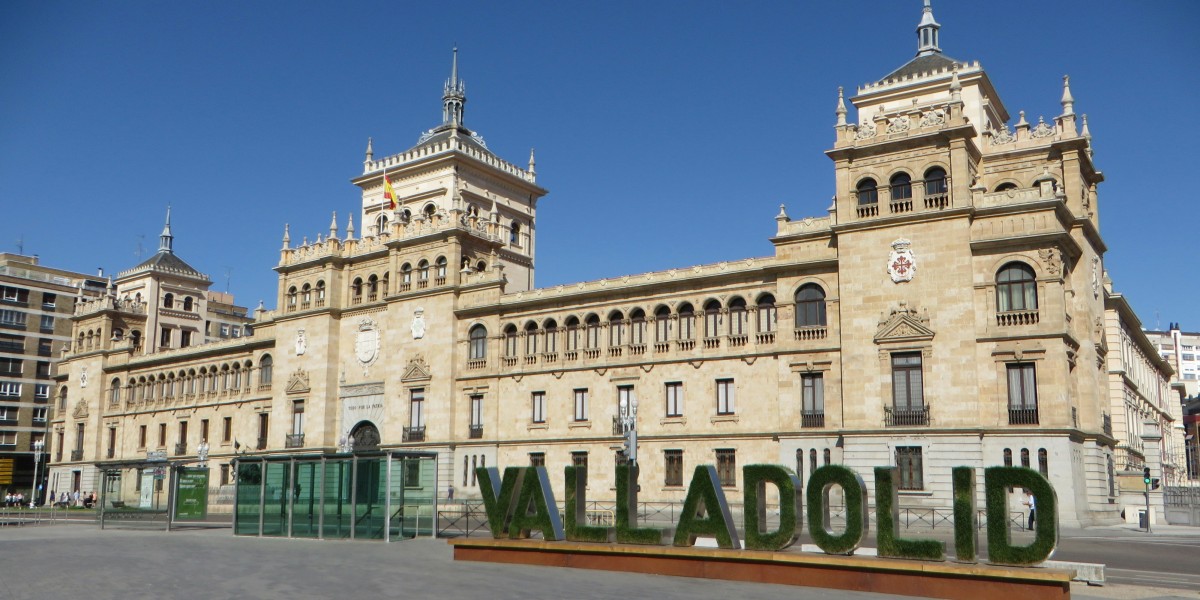
Valladolid: compact, cultured and well-connected
Valladolid, in Castile and León, is orderly, elegant and easy to navigate on foot. Winters are cold, and summers are dry, but the city centre around Plaza Mayor has a lived-in warmth that surprises people.
Property
Property prices in Valladolid averaged €2,006 per m², meaning a standard flat costs around €160,480. You’ll find solid mid-century apartments, townhouses in central streets and newer builds in expanding districts.
Why it works
The AVE reaches Madrid in roughly an hour, which changes the equation for anyone not tied to a daily commute. It also has a steady professional class, a respected university and a food scene that punches above its weight.
Oviedo: green hills and northern polish
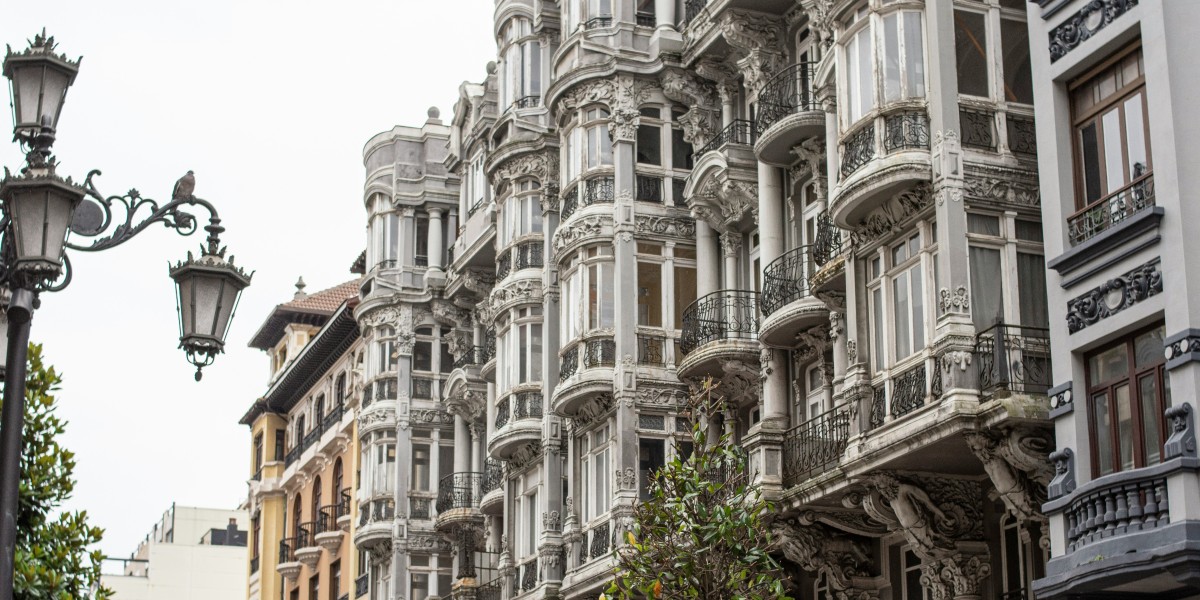
Tucked into the Asturian hills, Oviedo is compact, clean and quietly prosperous, with Atlantic air and plenty of rain to keep everything green.
Property
Property prices in Oviedo averaged roughly €2,232 per m², putting an 80m² apartment at around €178,560. Expect well-kept apartment blocks from the 1970s onwards, plus classic buildings in the old town near the cathedral.
Why it works
Oviedo works because it’s the administrative heart of Asturias. Public-sector jobs, healthcare infrastructure and year-round local demand keep the market stable. For retirees or anyone craving a cooler climate and access to beaches and mountains within 30 minutes, it offers substance rather than flash.
Córdoba: history at your doorstep
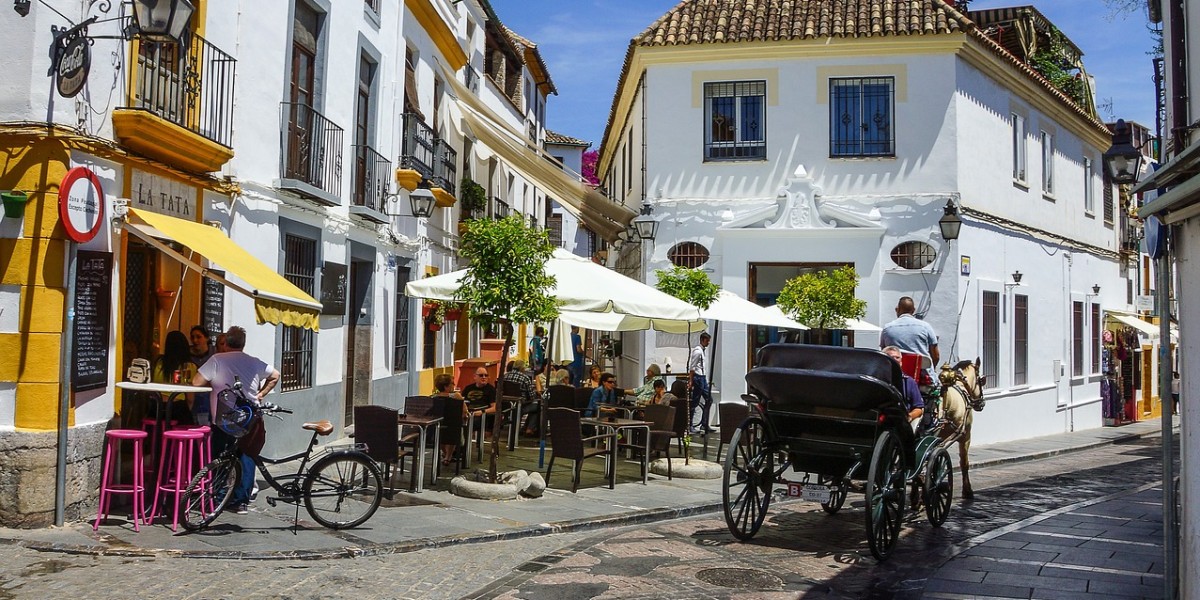
Inland Andalucía can be brutally hot in summer, and Córdoba is no exception, but the city’s UNESCO-protected historic core around the Mezquita is one of the most atmospheric in Spain. Beyond the postcard centre, it’s a functional provincial capital with everyday neighbourhoods, colourful festivals and local rhythm.
Property
Property prices in Córdoba averaged €1,725 per m² in February this year, which means an apartment costs roughly €138,000. There’s a mix of traditional townhouses with internal patios, 1980s apartment buildings and newer estates on the outskirts.
Why it works
The AVE connects Córdoba to Madrid and Sevilla, which keeps it plugged into larger economic centres. Tourism provides rental potential, but this isn’t a purely tourist city. Schools, hospitals and regional administration create year-round stability, and daily costs remain noticeably lower than in Sevilla or Málaga.
Almería: sun, sea and space to breathe
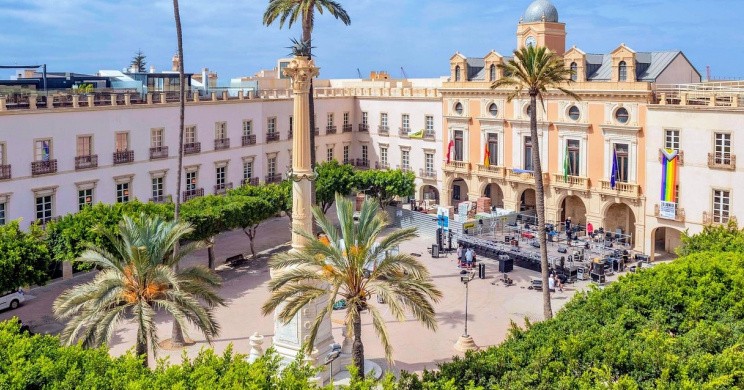
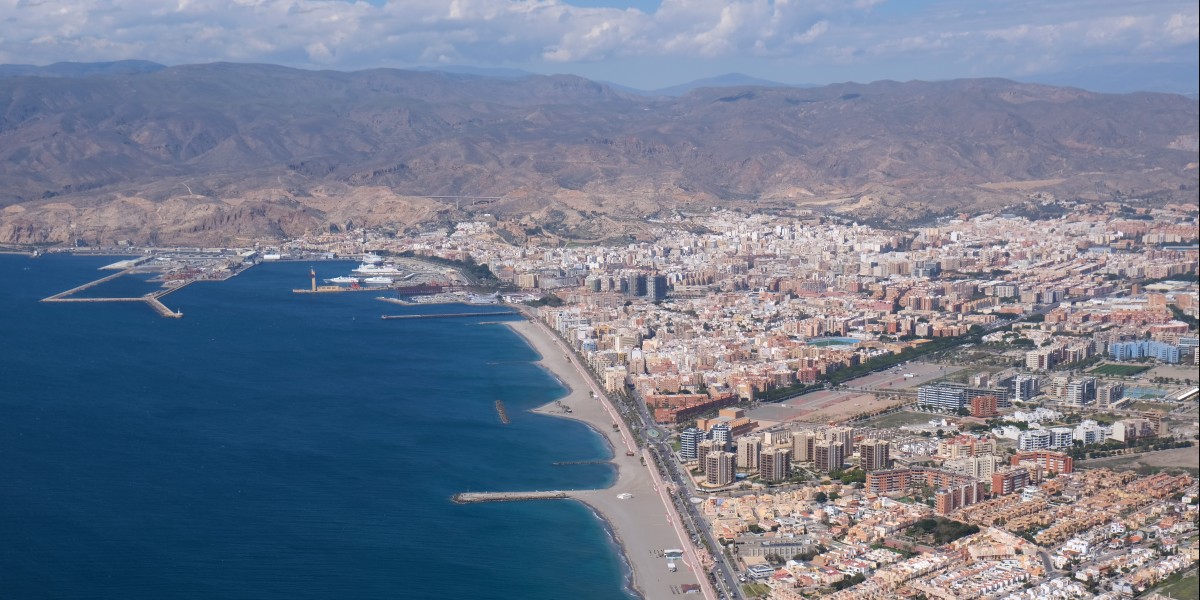
On Spain’s south-eastern coast, Almería is bright, dry and more relaxed than the Costa del Sol hotspots further west. The city sits between desert landscapes and clear Mediterranean beaches, with a working port and a strong local identity.
Property
Property prices in Almería in early 2026 averaged approximately €1,659 per m², putting an 80m² apartment at about €132,720. Expect practical apartment blocks close to the seafront, modest flats in residential areas and the occasional modern development near the marina, including new prefab projects.
Why it works
What gives Almería an edge aside from its fascinating history is the entry price. It remains one of the most affordable provincial capitals on the coast, yet still offers an airport, hospital infrastructure and a steady local population. For buyers seeking warmth and walkable seaside living without Marbella-level pricing, it feels refreshingly realistic.
Castellón de la Plana: Valencia region without Valencia costs
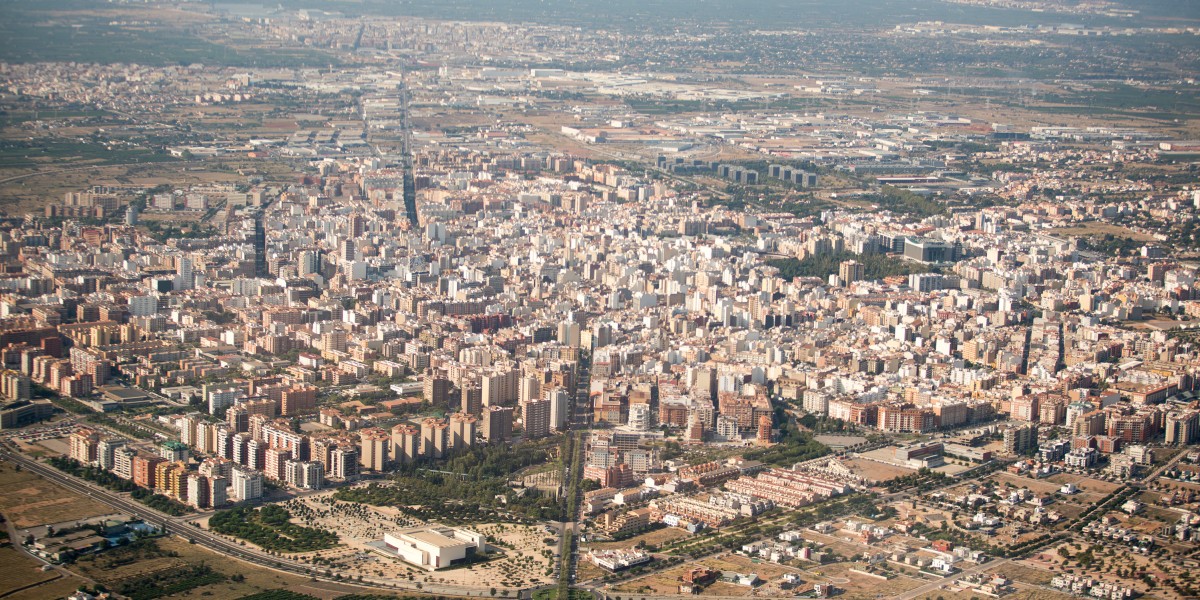
North of Valencia, Castellón de la Plana is low-rise, practical and close to long sandy beaches. The climate is Mediterranean, with hot summers and mild winters, and life moves at a noticeably gentler pace than in Valencia city.
Property
In February 2026, property prices in Castellón averaged around €1,578 per m², so an 80m² apartment costs roughly €126,240. Housing stock includes spacious older flats, compact central apartments and newer developments towards the coast in El Grao.
Why it works
Castellón benefits from proximity. Valencia is within easy reach by train, but property prices in Valencia are significantly higher per m². That gap keeps demand steady among locals who work regionally but prefer lower housing costs and less urban intensity.
León: small city, strong backbone
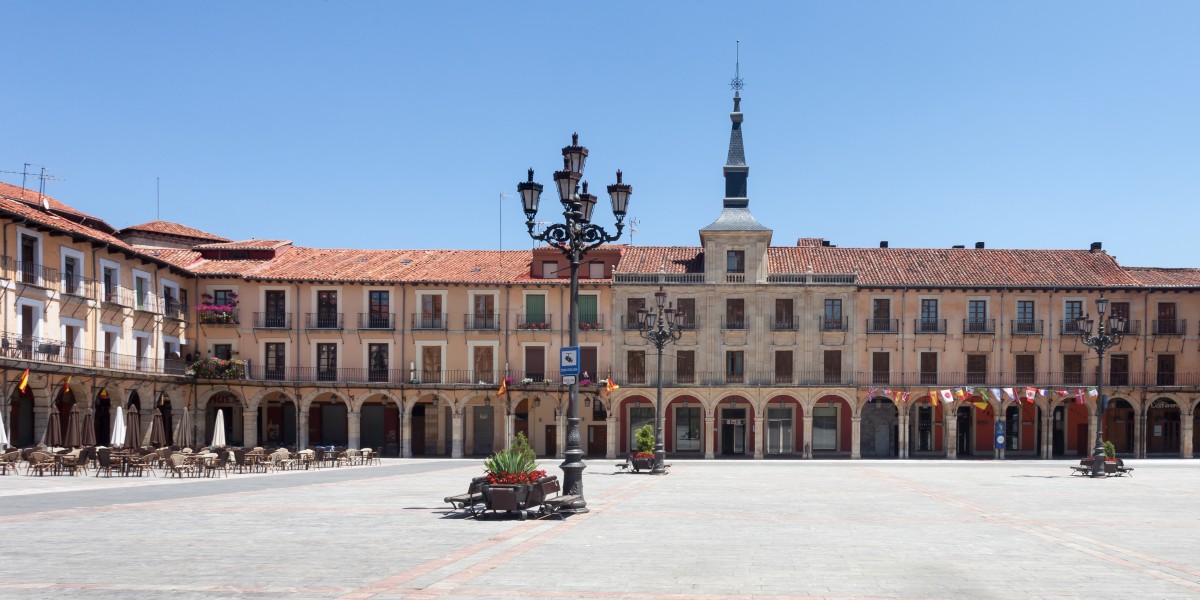
In north-west Spain, León blends medieval architecture with a youthful edge thanks to its university. Winters are cold and crisp, summers short and warm, and the historic centre around the cathedral feels intimate rather than overwhelming.
Property
Property prices in León were about €1,855 per m², meaning a flat would cost roughly €148,400. You’ll find affordable flats in 1970s buildings, renovated homes in the old town and family-sized properties in quieter residential zones.
Why it works
León works because it functions properly as a regional capital. There’s a student population, administrative employment and enough cultural life to avoid stagnation. For buyers who prioritise affordability and authenticity over international buzz, it offers solid value within a liveable urban framework.
Whether you’re looking for vibrant city life in Valencia, Málaga or Zaragoza, €200,000 can still open doors in Spain. If one of these under-€200,000 properties catches your eye, it’s also worth thinking about how you’ll transfer your funds. idealista has launched a dedicated currency exchange service for buyers moving money from outside the Eurozone to Spain, helping you secure a competitive exchange rate and protect your budget from unnecessary fluctuations.
How this compares with Spain’s most expensive cities
The contrast with Spain’s top-tier markets is sharp. An 80m² flat now averages around €473,120 in Madrid and approximately €411,520 in Barcelona.
That puts both cities well beyond the €200,000 threshold for a standard two- or three-bedroom apartment and in line with the latest data on the most expensive cities to live in Spain.
What’s more, price pressure is no longer limited to the big two. A growing list of surprisingly expensive cities that rival Madrid and Barcelona shows how competition has intensified in other popular urban markets.
Against that backdrop, the cities highlighted above sit in a different bracket altogether. While they may also feature in discussions around Spain’s cheapest cities to live in, they are established provincial capitals with steady year-round demand.
Stay in the know about living in Spain as a foreigner—get our weekly newsletter for the latest travel, legal, and lifestyle news.
For a taste of the high life, sign up for the monthly luxury market round-up.