Crossing a Tibetan bridge is undoubtedly a test of balance and concentration, often dozens of metres above the ground. These minimalist structures, made up of steel cables and narrow rungs or planks, allow visitors to cross ravines, rivers and gorges while experiencing a thrilling sense of exposure. Several Tibetan bridges can be found across Spain, offering unique adventures in spectacular natural settings.
La Hermida (Cantabria)
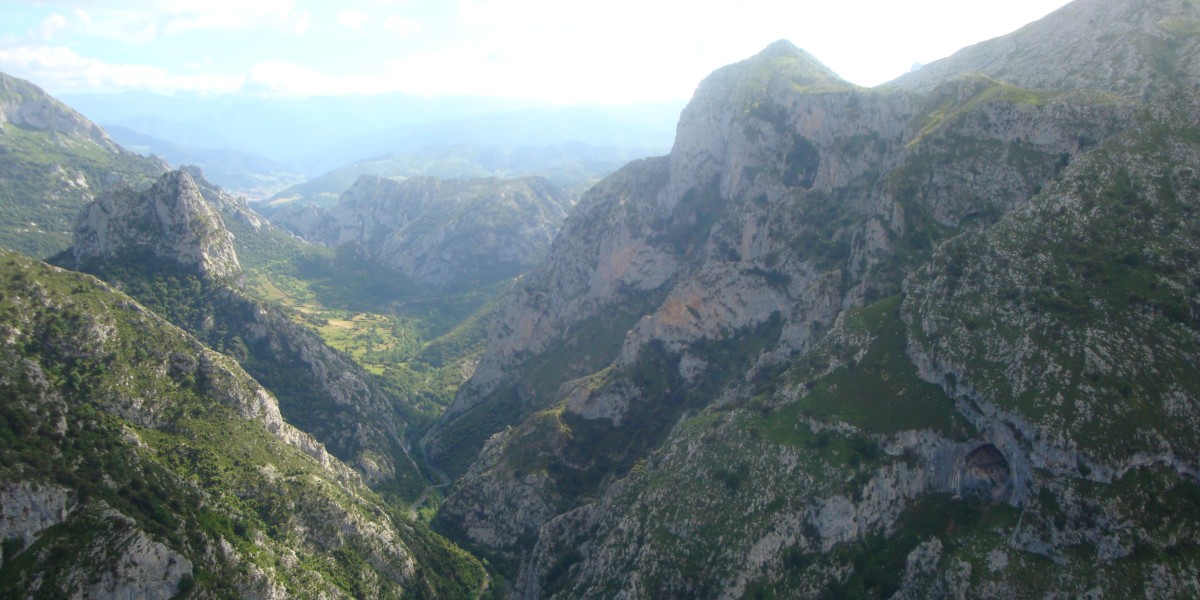
Deep within the La Hermida Gorge, one of the deepest canyons in northern Spain, lies one of Cantabria’s most famous Tibetan bridges. It forms part of the La Hermida via ferrata route, close to the Picos de Europa National Park.
The bridge, inspired by traditional Nepalese designs, requires visitors to cross a narrow span suspended high above the landscape, with an 80-metre drop below. The full route extends for more than four kilometres and is generally considered moderately difficult.
Sabero (León)
The Sabero Tibetan Bridge, in the eastern mountains of León, forms part of the Valdeltorno via ferrata in Sahelices de Sabero, within the valley of the same name. Measuring 110 metres in length, it is considered the longest Tibetan bridge on a via ferrata route in Spain.
The bridge is suspended by several steel cables and features a distinctive central arrow-shaped section that heightens the sensation of exposure and altitude. The complete via ferrata route covers around 460 metres and requires prior authorisation from the local council before undertaking the activity.
Vidosa Bridge (Asturias)
In the Beyos Gorge, high above the Sella River, the Puente Vidosa Adventure Park features a network of via ferratas and Tibetan bridges set within a dramatic mountainous landscape. The complex is located at the entrance to Ponga Natural Park, one of Asturias' most striking natural areas.
One of its best-known attractions is the Bridge of the Clouds, a suspended crossing measuring more than 100 metres in length and hanging high above the canyon floor. The park offers routes of varying difficulty, combining Tibetan bridges, zip lines and equipped climbing trails, making it a popular destination for adventure enthusiasts seeking both adrenaline and spectacular scenery.
Comares (Málaga)
The province of Málaga is home to several via ferratas, including the Puerta del Agua via ferrata in the municipality of Comares. Known for its Tibetan bridges and panoramic views over the Axarquía region, the route takes place in a dramatic setting, with the village itself perched on a rocky outcrop above the surrounding landscape.
The itinerary includes a number of cable crossings and stepped sections, with aerial elements extending for approximately 120 metres. Rated K3 (medium difficulty), it offers an accessible challenge for those with some experience of via ferratas and can be completed as a circular route.

IrriSarri Land (Navarra)
At IrriSarri Land Adventure Park, in northern Navarre, visitors can cross one of the longest Tibetan bridges found within a multi-adventure complex. The bridge stretches for 140 metres and rises approximately 50 metres above the valley floor.
The crossing is completed under controlled conditions using safety equipment provided by the organisers, and it is generally undertaken in one direction only. Due to its length, the bridge develops a noticeable swaying motion in the central section, adding to the sense of adventure and making it important to maintain a safe distance from other participants during the crossing.
Valdeón (León)
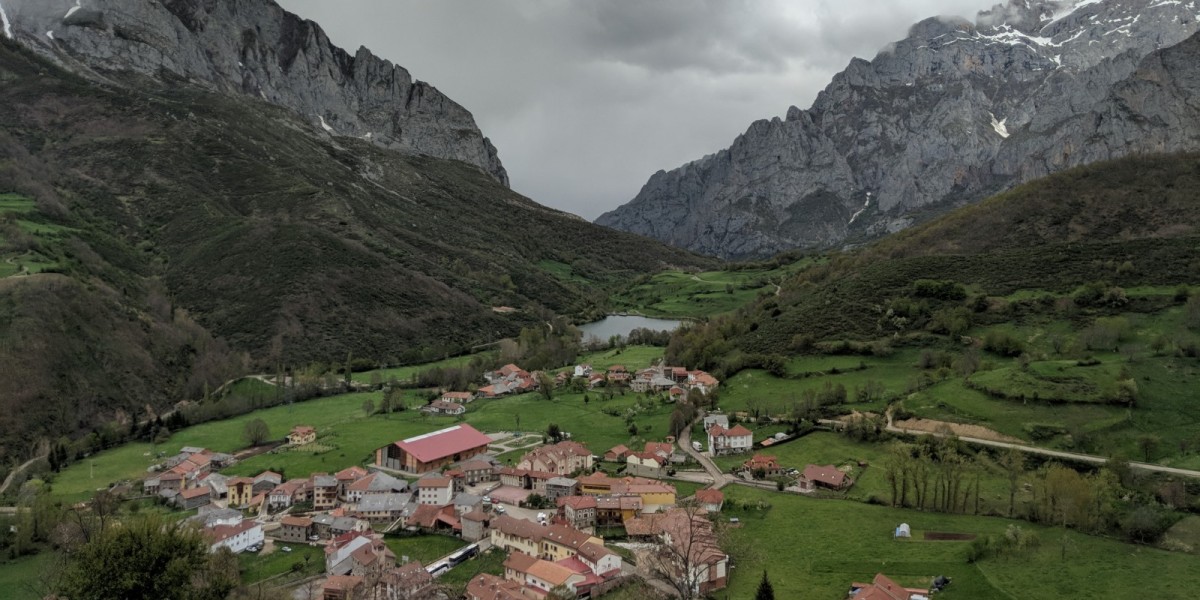
In the Picos de Europa National Park, the Valdeón via ferrata features a 35-metre Tibetan bridge suspended above the Cares River. The route is accessed from Cordiñanes de Valdeón, with the bridge appearing near the beginning of the climb.
Although it is not among the longest Tibetan bridges in Spain, its position around 30 metres above the riverbed heightens the sense of exposure and adventure. The route is classified as K4, making it suitable for experienced participants, and advance booking is usually required during peak season due to high demand.
- Property for sale in Posada de Valdeón
- Long-term rentals in Posada de Valdeón
- Holiday homes in Posada de Valdeón
Enguera (Valencia)
In the interior of the province of Valencia, the Fuente Godalla Tibetan bridge has helped establish Enguera as one of the Valencian Community’s leading destinations for high-altitude adventure routes. Measuring 82 metres in length and suspended around 50 metres above the ravine below, it is the second-longest Tibetan bridge in Spain.
The structure consists of steel cables and widely spaced wooden slats, allowing visitors to see the gorge floor beneath them with every step. It forms part of a K3-rated via ferrata, making it suitable for beginners with a reasonable level of fitness. The route also includes a 70-metre zip line, adding an extra element of adventure to the experience.
Canillo (Andorra)
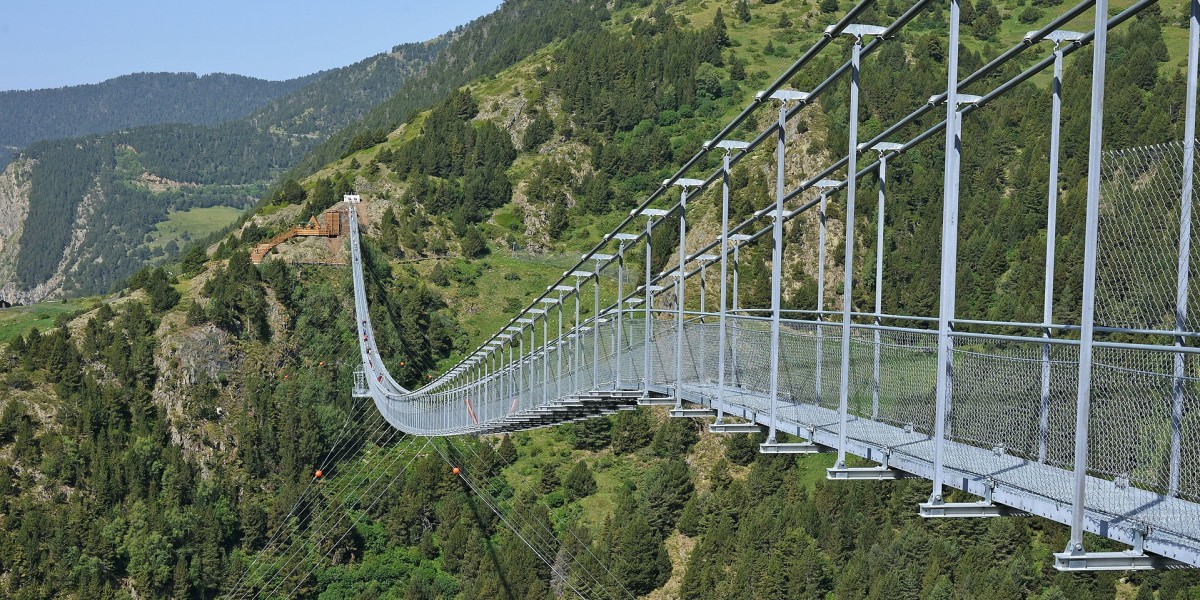
Although not located in Spain, the Pont Tibetà de Canillo in Andorra has become one of the most iconic attractions in the Pyrenees. At 603 metres in length, it is among the longest pedestrian suspension bridges in the world.
Suspended at an altitude of more than 1,800 metres above the Vall del Riu valley, the bridge is approximately one metre wide and allows visitors to cross in both directions. Access is provided via a dedicated transport service from the village of Canillo.
What you need to access a Tibetan bridge
Most Tibetan bridges in Spain form part of via ferrata routes, making the use of appropriate safety equipment mandatory. Visitors are generally required to wear a helmet, a certified harness and an energy absorber connected to the safety lifeline throughout the crossing. Gloves and suitable hiking footwear are also strongly recommended.
In many cases, a climbing federation licence or specific insurance cover is required, while some routes and facilities operate with advance booking systems or require prior authorisation. To minimise movement and ensure safety, users should maintain adequate distance from one another and, where indicated, cross the bridge one at a time.