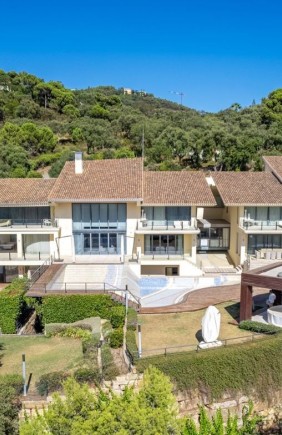
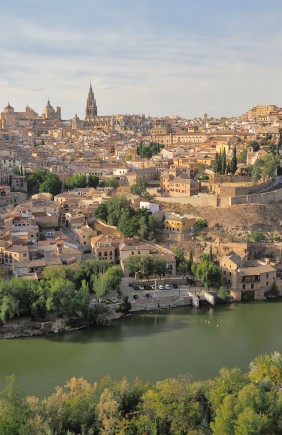
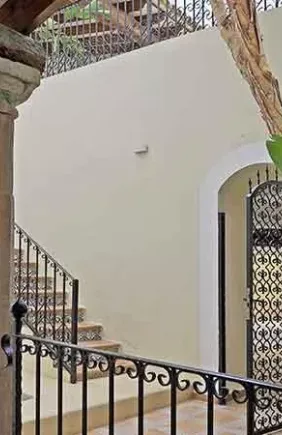
Luxury in 2027 and 2028 has little to do with the size of the living room or with a kitchen and bathroom fitted with exclusive materials or a showstopping bath. Today, luxury is synonymous with wellbeing. Luxury homes are now designed as spaces that can improve everyday life, where layout and the way people move around the home are central considerations.
So, what does that look like in practice? It means spaces that feel calm, reflect the identity of the people who live in them and are not designed simply to impress, but to stand the test of time.
In other words, they should age well. Real luxury today is no longer about making technology visible or invisible, a relatively minor point that is now taken for granted. It lies in creating personalised spaces designed to be enjoyed for years. These are four of the main trends shaping luxury homes today.
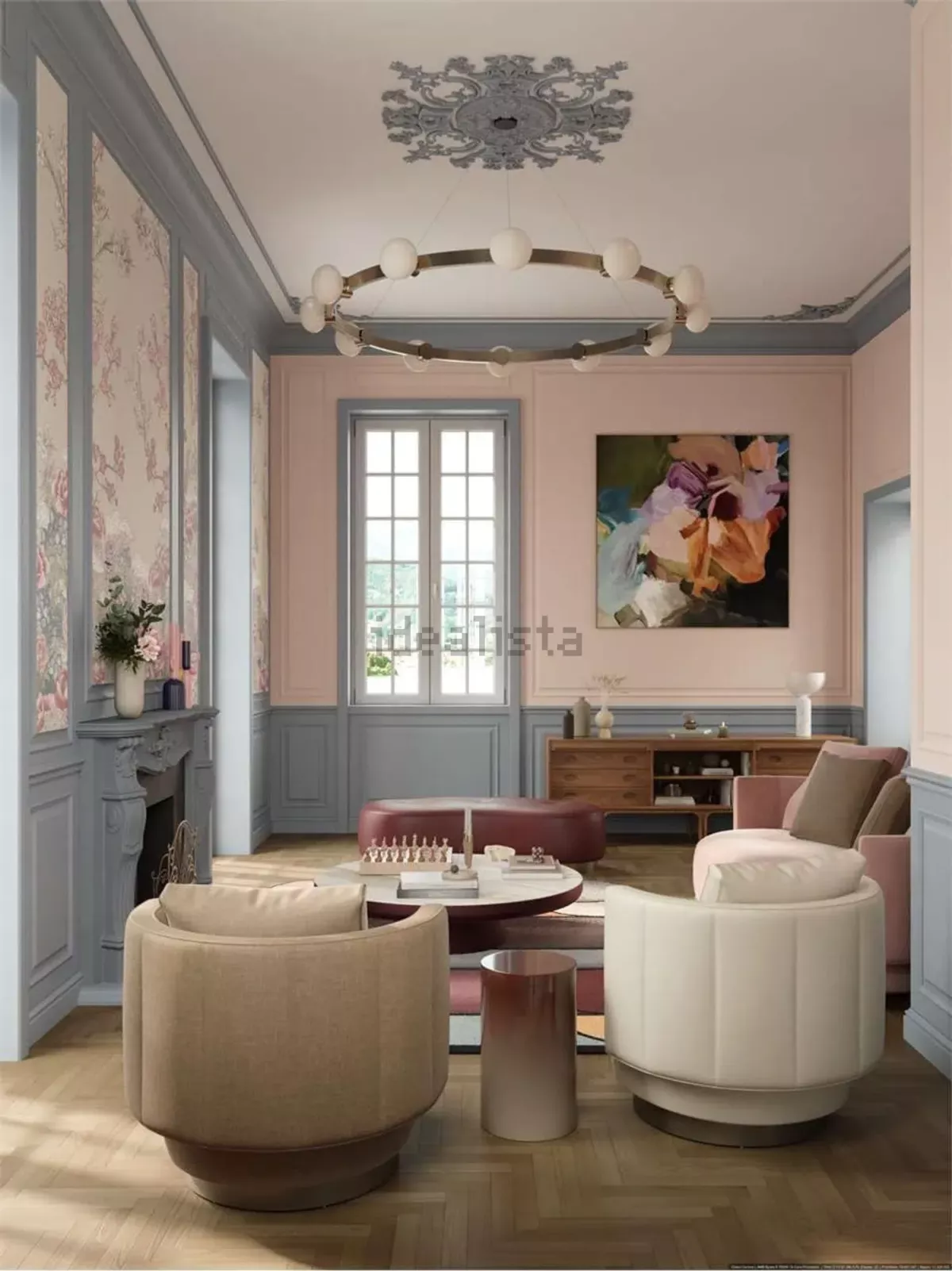
Craftsmanship and original features are a new symbol of exclusivity
The era of quiet luxury, neutral Nordic-style interiors and straight lines that dominated interior design throughout the 2010s and early 2020s has come to an end. Rather than uniform interiors, homeowners, particularly in premium properties, are looking for authenticity.
That authenticity is linked to restoring original elements, including hydraulic tile floors, old beams and original joinery, then pairing them with contemporary, bespoke pieces made by craftspeople.
Keep this in mind: brand-new materials are no longer considered luxurious. Restoring a property’s own features and history is. This is why personalisation and craftsmanship are so highly valued in high-end homes.
Luxury homes are designed around sensory wellbeing
Anyone interested in interior design and architecture will have noticed that temperature, scent, noise, natural light and thermal comfort have moved from the sidelines to centre stage. These considerations are now assessed as soon as a project is drawn up, and architects and interior designers increasingly speak about engaging the senses when designing and experiencing a home.
Design in general, and luxury-home design in particular, is no longer conceived without ideas linked to wellbeing, bioarchitecture and neuroarchitecture.
Luxury means preparing not to ‘suffer’ at home in the future
Internal courtyards, cross ventilation, green roofs and façades that improve energy performance are helping luxury homes respond to extreme weather and heatwaves, which are becoming increasingly common in Spain and elsewhere in Europe.
As a result, what is now described as climate resilience has become a marker of luxury, and premium homes are incorporating these types of passive solutions.
Luxury is about multi-purpose spaces and intuitive layouts
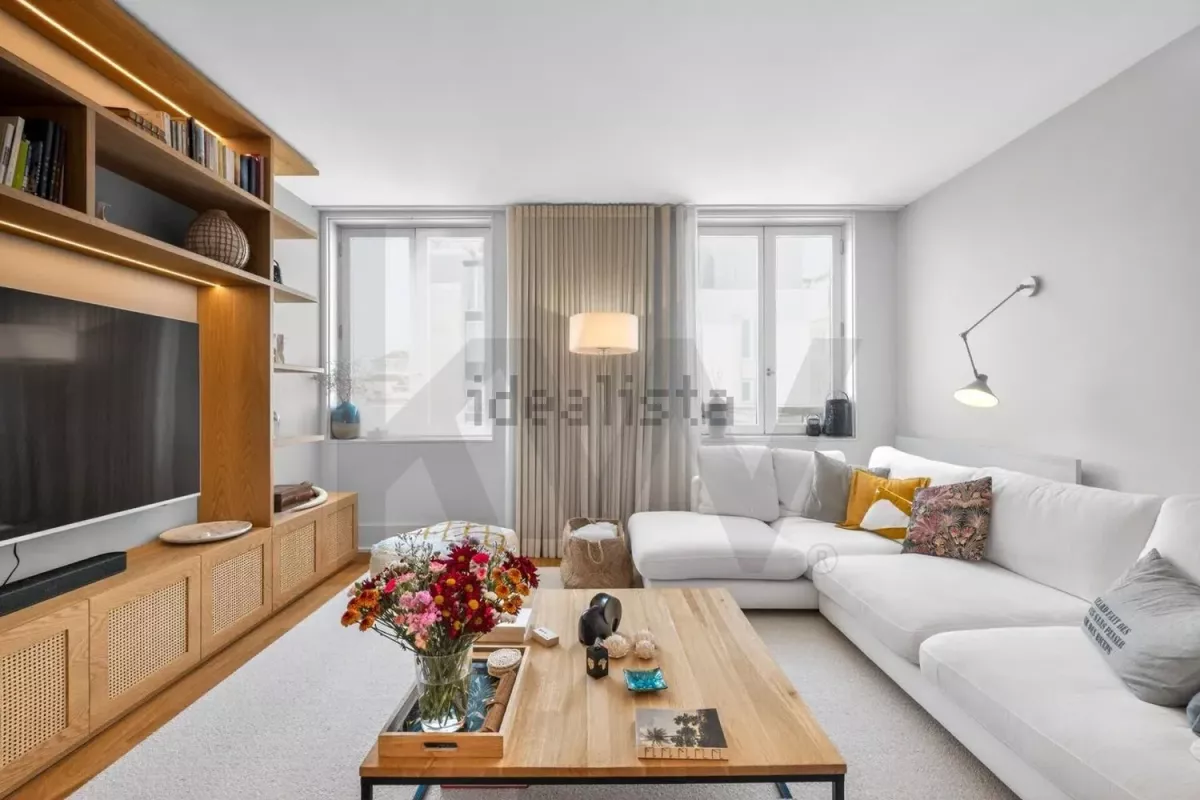
Most architects point to a shift in how the home is understood, as well as changes in family life, to explain why models popular a decade or 15 years ago are beginning to give way to less clearly defined spaces. These are places for listening to music, reading a book or simply doing nothing.
In luxury homes, a gym, home office or cinema room remains in demand, but having square metres without a fixed purpose matters even more. What lies beyond the front door is also important, as is what people encounter as they move through each space and, above all, how easily they can move around their home.