The province of Girona is home to numerous villages that lost their populations due to isolation, economic change and rural depopulation. Far from the bustling Costa Brava and the province's more populated towns, these abandoned villages of Girona offer a chance to explore a lesser-known side of the region. Here are five examples that can still be visited today.
Molinàs
This small village in the municipality of Colera was located very close to the coast and the French border. Founded in 1773, it grew to include several houses between the Sant Miquel and Coma d'Infern streams, features that shaped daily life in the settlement.
The local economy was based on being self-sufficient. Residents sold meat, milk and honey to nearby towns such as Llançà, Portbou and Figueres. Its proximity to France also left its mark on the village, which had a carabinieri post tasked with monitoring border crossings and combating smuggling.
In September 1920, a severe flood caused the streams to overflow, destroying homes and claiming the life of a 14-year-old girl. Decades later, the cold wave of February 1956 devastated much of the area's olive groves. The lack of basic services eventually prompted emigration, and the last resident family left around 1970.
Querós
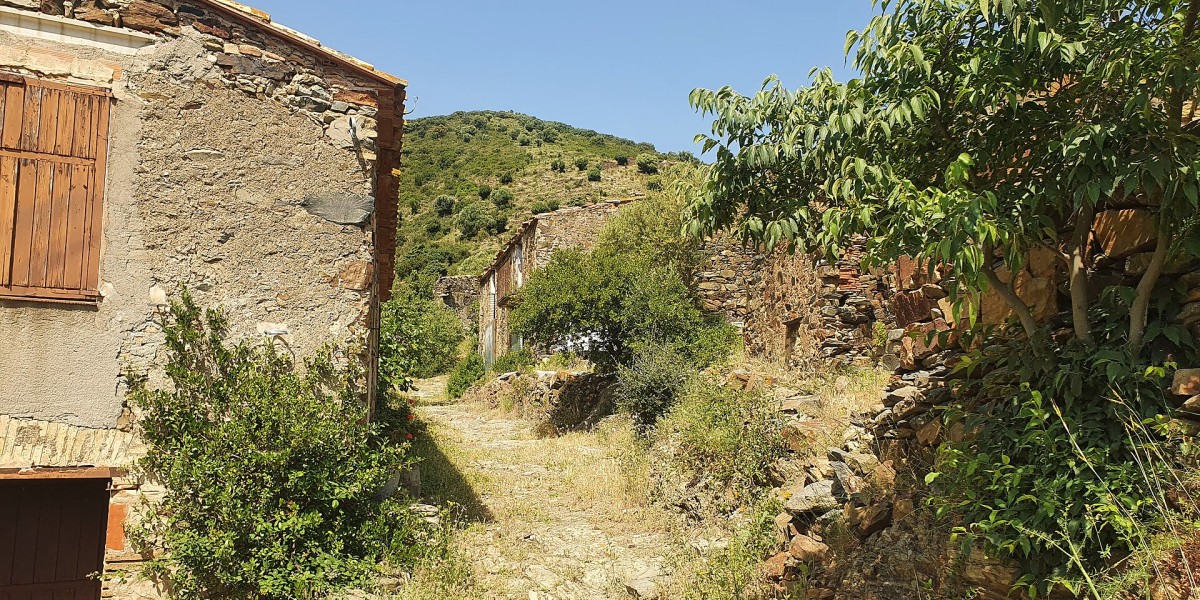
Querós is a depopulated settlement within the municipality of Sant Hilari Sacalm, in the La Selva region, near the Ter basin. The earliest documentary references to the village date back to 923.
In 1940, Querós had just over 100 inhabitants living in scattered farmhouses. However, population decline accelerated during the 1950s and became irreversible in the late 1960s with the construction of the Susqueda reservoir, which, although it did not flood the village itself, left the area too isolated for permanent settlement.
Today, Querós stands as a reminder of the rural communities that once populated Les Guilleries. Its story reflects the profound changes experienced by many inland areas of Girona during the 20th century, driven by poor accessibility and a lack of economic opportunities.
Santa Cruz de Rodas
This village is located in the municipality of Port de la Selva, just one kilometre from the Monastery of Sant Pere de Rodes and beside the Church of Santa Helena. The site is included in Catalonia's Inventory of Architectural Heritage.
The nearby monastery played a key role in the development of Santa Creu de Rodes. Historical documents from the 10th and 11th centuries mention the church, while the village became an important residential centre for religious activity and commerce in the surrounding mountains.
Its decline unfolded over several centuries. Population loss, medieval epidemics and factors linked to coastal insecurity all contributed to its abandonment. In the 16th century, it ceased to serve as a parish centre, and although attempts were made to encourage resettlement in the 18th century, they were ultimately unsuccessful.
- Property for sale in Port de la Selva
- Long-term rentals in Port de la Selva
- Holiday homes in Port de la Selva
Requesens
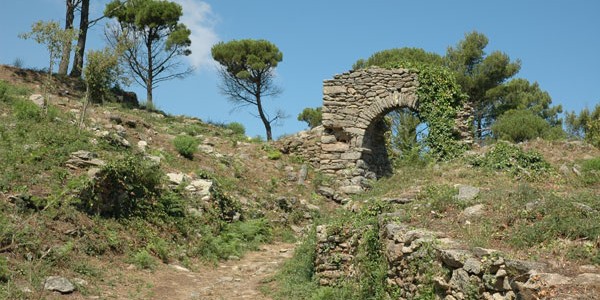
Requesens is a former village in the municipality of La Jonquera, in Alt Empordà. The settlement lies within the Albera Natural Site of National Interest, an area known for its forests of cork oaks, holm oaks, chestnut trees, beeches and other native species.
The village is closely associated with Requesens Castle, a fortress that played a strategic role because of its proximity to the present-day border between Spain and France. The area has served as a transit route since Roman times, and its border location explains the historic presence of checkpoints.
Alongside forestry and livestock farming, smuggling provided a supplementary source of income during certain periods. Rural depopulation eventually emptied the village, and by 2005 it no longer had any registered residents. Today, it is accessible via mountain tracks, mainly from Cantallops.
Ancient village of Susqueda
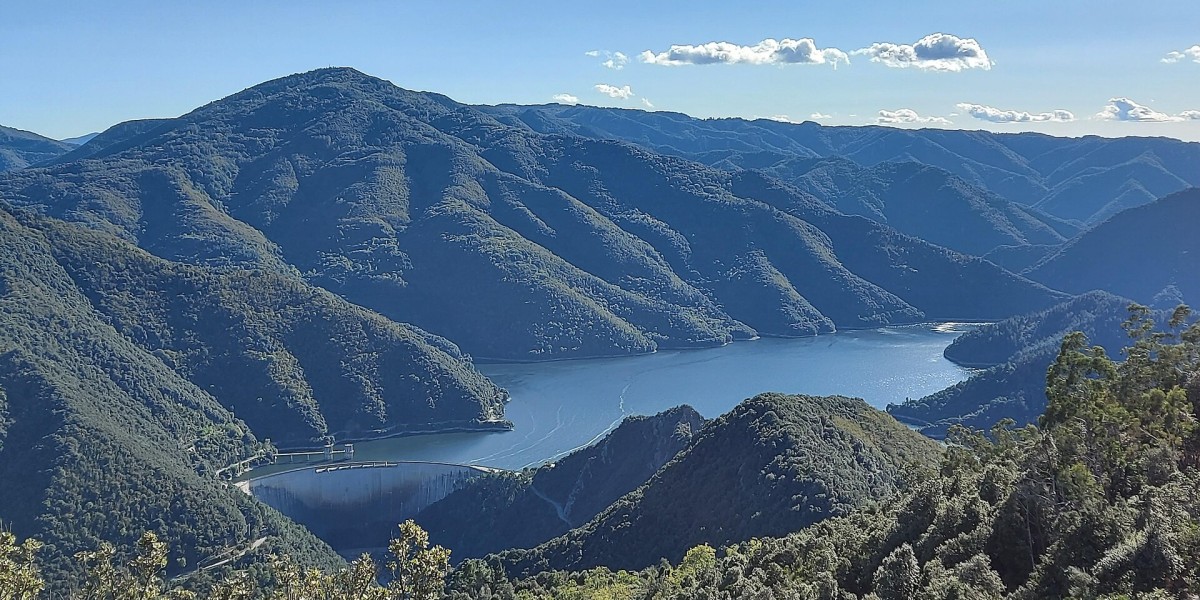
The ancient village of Susqueda is directly linked to the construction of the reservoir on the Ter River, an infrastructure project in the La Selva region connected to the Sau and Pasteral water system.
The construction of the dam transformed the landscape and submerged old homes, fields and roads. During periods of drought, when water levels fall significantly, some of these structures can re-emerge. Among the remains revealed at different times is the Can Marquès farmhouse.
Before its abandonment, the area consisted of farmhouses dedicated to agriculture and forestry. Today, however, access to and visibility of the remains depend entirely on the reservoir's water levels.