CN Traveller included one unusual Spanish landscape in its 17 Most Beautiful National Parks in the World. It is not a mountain range or a remote Atlantic island, but a saltwater lagoon on the Costa Blanca that can take on a striking bubblegum-pink hue.
The colour in Spain's most beautiful national park is entirely natural, although it can look rather unreal in photos. Behind it sits a working salt industry, centuries of local history and an important wetland habitat for birds.
A Spanish salt lake on CN Traveller’s global list
The landscape highlighted by CN Traveller is Las Salinas de Torrevieja, part of the wider Parque Natural de las Lagunas de La Mata y Torrevieja in Alicante province.
The protected area has two main lagoons, La Mata and Torrevieja, separated by El Chaparral, a raised geological formation. Canals connect the two lakes and link them with the Mediterranean, creating a single salt-production system.
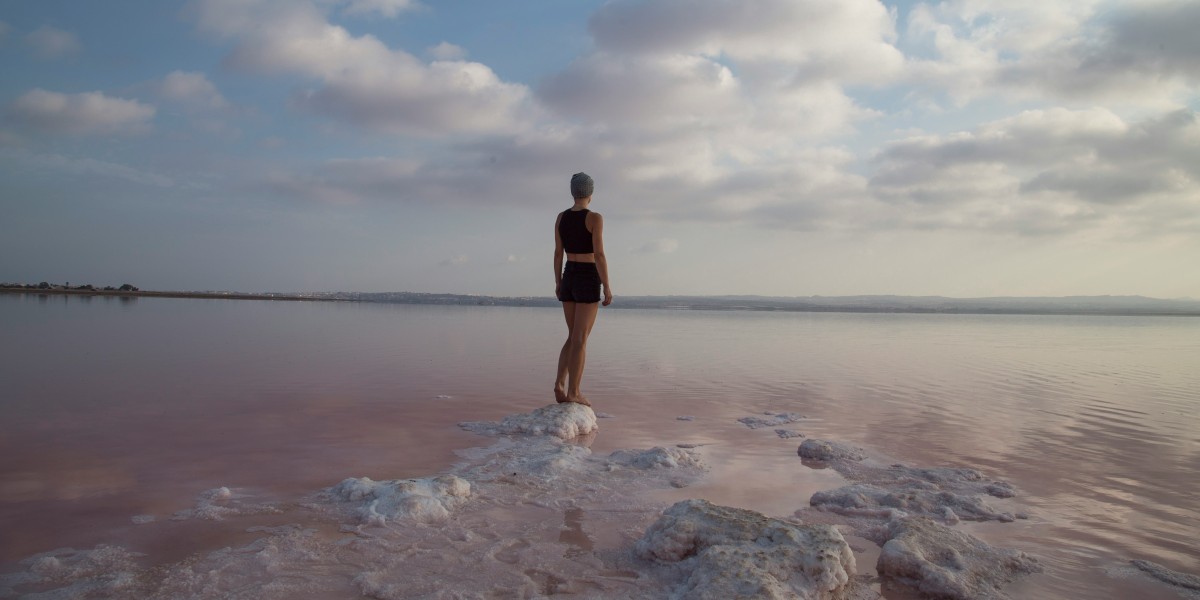
The pink shade is not always equally intense, and the lake can look anything from a pale blush to a deeper rosy pink depending on the light, salinity and time of year.
Why Torrevieja’s lagoon turns pink
The pink water comes down to a microscopic algae, Dunaliella salina. It thrives in water with exceptionally high salt levels and produces pigments that help protect it from strong sunlight. Those pigments tint the lagoon’s water pink.
Hot, sunny conditions can make the colour more noticeable, which is why the lagoon often looks strongest in summer. It is worth treating the colour as a natural and changing phenomenon rather than a guaranteed postcard scene.
High salinity has shaped the identity of the place for far longer than social media has existed. The lagoons are part of a working salt landscape, so the pink colour is tied to a living ecological process and a local industry.
A wetland for flamingos and migratory birds
The park matters well beyond its unusual colour. It is an important nesting and wintering area for more than 100 bird species, including flamingos, ducks, black-necked grebes, black-winged stilts and shelducks.
There are picnic areas with tables for a low-key lunch outdoors, though visitors should keep to marked routes and follow any local notices. The wetland is sensitive, particularly during nesting seasons, and the paths and viewpoints exist for a reason. Swimming, wading and taking salt from the lagoon are not appropriate ways to experience the park.

Salt production and the history of Torrevieja’s lagoons
The history of the La Mata and Torrevieja lagoons goes back several centuries. In 1321, the Crown granted them to the city of Orihuela, on the condition that they could not be sold on. Later, in 1389, Orihuela received permission to turn the Torrevieja lagoon into an albufera, or coastal lagoon, for fishing.
That plan was not a success. The channel connecting the lagoon to the sea, the Acequión, took almost a century to build. By 1482, it had become clear that the water was too saline for the intended fishing project, as fish did not enter the lagoon in sufficient numbers.
A Royal Order returned both lagoons to state ownership in 1759. Initial salt-extraction tests began soon afterwards at La Mata, and the quality of the salt led to a more organised operation.
In 1950, after periods in which private individuals and extraction companies leased the operation, the salt business passed to Nueva Compañía Arrendataria de las Salinas de Torrevieja y La Mata S.A., the current contractor. That industrial role remains central to understanding the park.
Where the pink lagoon is in Spain
Torrevieja is on the southern Costa Blanca in the Valencian Community, roughly 50 kilometres south of Alicante city. The natural park lies inland from the seafront, close enough to fit into a stay based in Torrevieja, Guardamar del Segura or the Orihuela Costa.
The two lagoons are quite different in appearance. Torrevieja is the pink one that gets most of the attention, while Laguna de La Mata is generally greener and supports its own birdlife and saltland vegetation.
Living near Torrevieja’s salt lakes
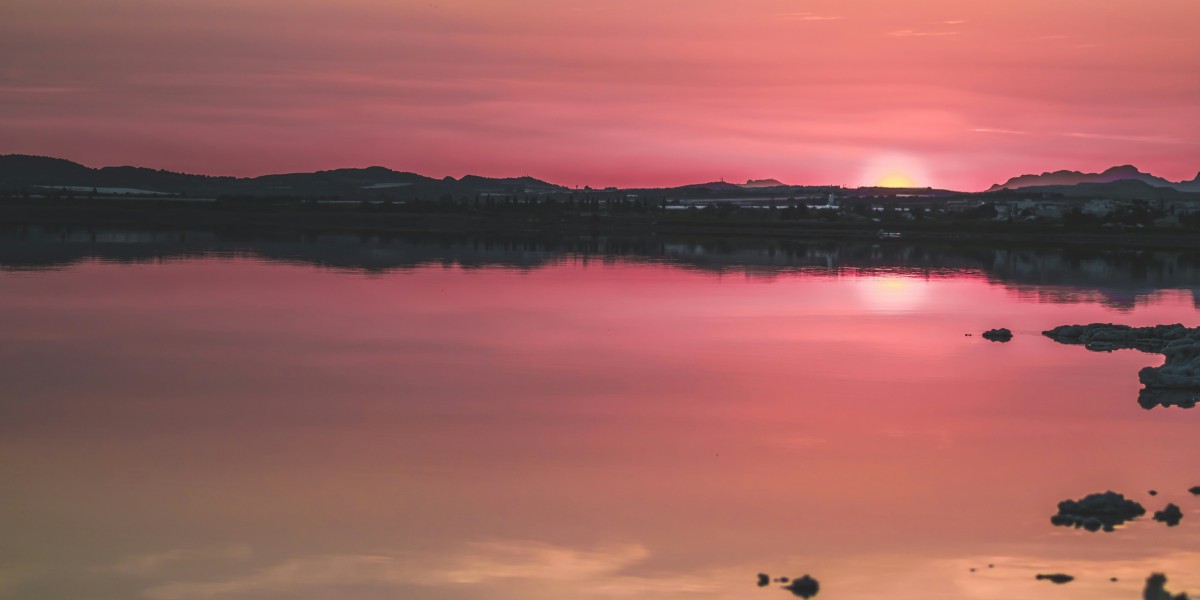
For international buyers and renters, the lagoons give Torrevieja a point of difference from other Costa Blanca resort towns. They add walking routes, open views and birdlife close to urban neighbourhoods, though daily life still has the usual practical considerations.
Housing is no longer the bargain it once was. In August 2026, property prices in Torrevieja averaged €2,553 per m². Prices vary sharply by neighbourhood, property condition and proximity to the sea, with newer developments and coastal locations usually commanding more.
Stay inspired for your travels in Spain—get our weekly newsletter for the latest travel guides, cultural news, and lifestyle tips.