In the wooded foothills of northern Spain, near the French border, a small rural village, often called Spain’s village of witches, carries a rather unsettling reputation.
Its story involves a vast cave carved by water, gatherings said to have taken place by firelight, and a witch-hunt that ended in one of the darkest chapters of the Spanish Inquisition.
The village of witches in Navarre
The village is Zugarramurdi, a tiny settlement in northern Navarre, close to the French Basque Country. It sits among damp forests, grazing land and traditional stone farmhouses.
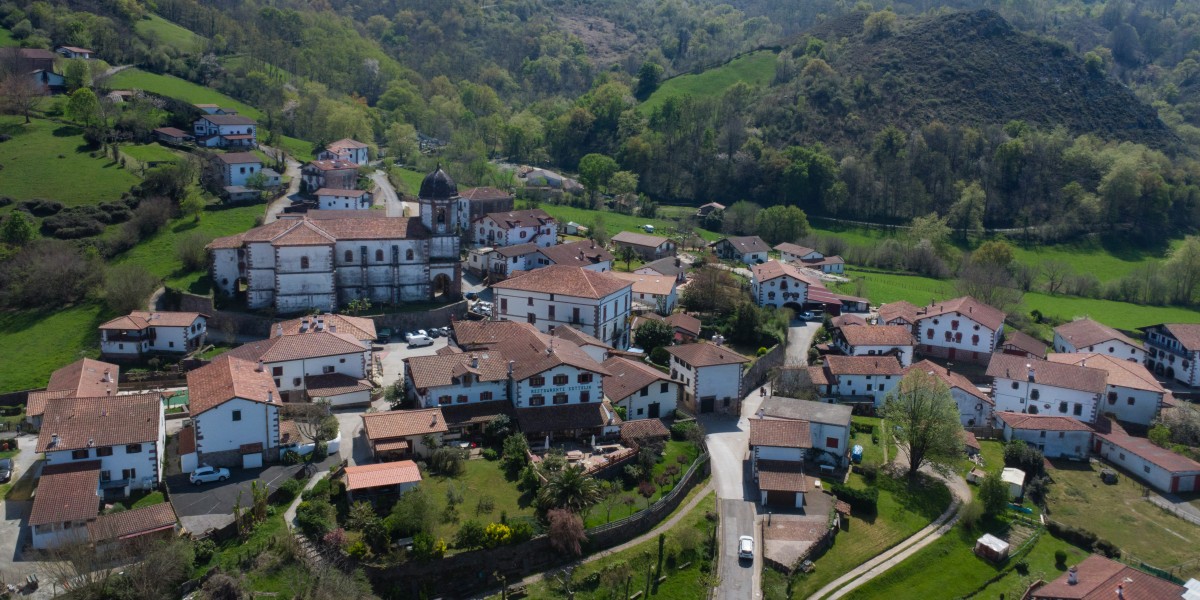
With fewer than 300 residents, Zugarramurdi is no sprawling heritage site. Its streets are easy to walk, and the main points of interest lie close together: the village centre, the Witch Museum of Zugarramurdi and the famous caves are within around a kilometre of one another.
The nickname “village of witches” comes from the sorginak, or witches, said to have gathered nearby centuries ago. Yet the real reason Zugarramurdi has lingered in popular memory is far less fanciful.
At the beginning of the 17th century, local allegations of witchcraft drew the attention of the Spanish Inquisition, with grave consequences for people in the village and the wider region.
A real tragedy behind the witch legends
The history behind the Zugarramurdi witch stories began in 1608, when a young local woman, María Ximildegui, returned after time spent across the Pyrenees in what is now France. She made accusations involving supposed akelarres, gatherings that later became associated with witchcraft and devil worship in Inquisition records.
The Tribunal of the Inquisition in Logroño tried people connected to the case in 1610. The sentences were brutal. Eleven death penalties were issued, although five of those condemned had already died in prison. Six living people were executed afterwards.
The cave where the akelarres were said to take place
A short walk from the village centre leads to the Cave of Zugarramurdi, the setting that has given these stories their lasting visual power. The path runs through woodland before opening onto a huge natural tunnel in the rock.

The main gallery runs for around 120 metres and reaches roughly 12 metres in height in places, shaped over centuries by the Orabidea stream. The watercourse has another, rather more ominous local name: Infernuko Erreka, meaning “Hell’s Brook” in Basque.
Local tradition placed the akelarres here, with stories of gatherings by candlelight or bonfires far from watchful eyes. The cave’s broad galleries and hidden setting make it easy to see why later imaginations seized upon it. The village’s witchy reputation also reached the big screen in 2013 with Las Brujas de Zugarramurdi, a black comedy-horror film directed by Álex de la Iglesia.
The caves have also been linked to more practical forms of secrecy. Their proximity to the French border made this landscape useful for smuggling routes, and hidden paths through the Xareta countryside connected communities on both sides of the frontier.
Visiting Zugarramurdi around Halloween
Zugarramurdi works well as an autumn day trip for travellers interested in folklore, history and slightly eerie landscapes. Late October can be wet and cool in this corner of Navarre.
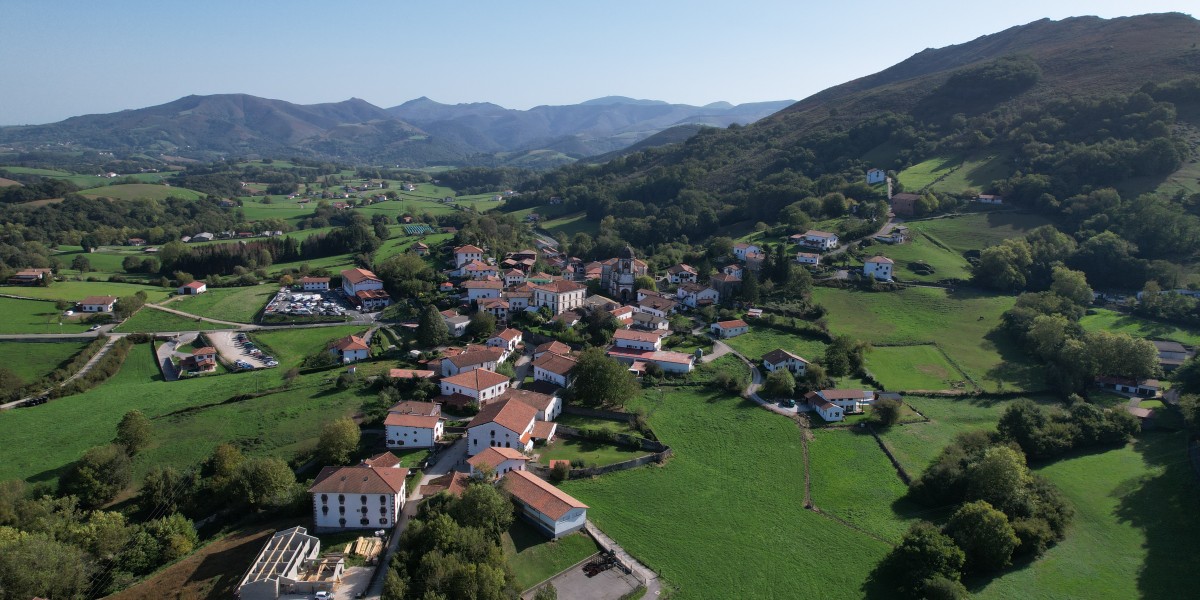
A car is generally the simplest way to reach Zugarramurdi. It is a rural village, and public transport options are limited compared with larger Navarre towns.
Elizondo, the main town in the Baztan Valley, can make a practical base, while Pamplona/Iruña, Donostia-San Sebastián and towns in the French Basque Country are possible longer-distance starting points.
A Halloween story rooted in history, not horror
Spain’s village of witches is at its most atmospheric when the weather turns colder, and the Pyrenean woods take on their autumn colours. Yet the reason to visit is not simply to chase a spooky story.
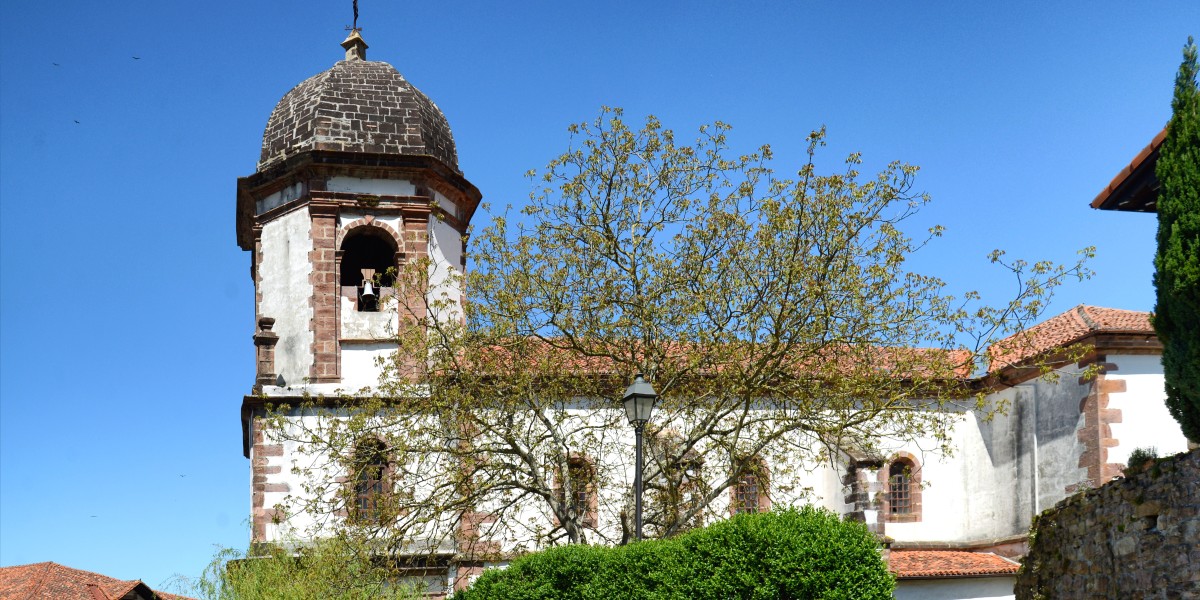
Zugarramurdi is a place where Basque folklore, borderland history and the legacy of the Inquisition meet in a very small corner of Navarre. The cave may have become a symbol of witches and akelarres, but the deeper story is one of people caught in a period of suspicion and persecution.
Stay inspired for your adventures in Spain—get our weekly newsletter for the latest travel guides, cultural news, and lifestyle tips.