High in the foothills of Aragón’s Moncayo range sits a tiny settlement with a half-ruined castle, a history of bitter arguments with the Church and a curse said to be powerful enough that only a pope could undo it.
For centuries, stories of witches, night-time rituals and dark magic have clung to Spain's cursed village's narrow lanes. The reality is rather more tangled: a medieval fight over resources, a local castle with suspicious sounds after dark, and later folklore shaped by real persecution.
Trasmoz, Aragón’s village of witches and the Church curse
The village is Trasmoz, in Zaragoza province, beneath the slopes of Moncayo in Aragón. Often described as the world’s only excommunicated village, its unsettling reputation began with a very earthly row with nearby Monasterio de Veruela.
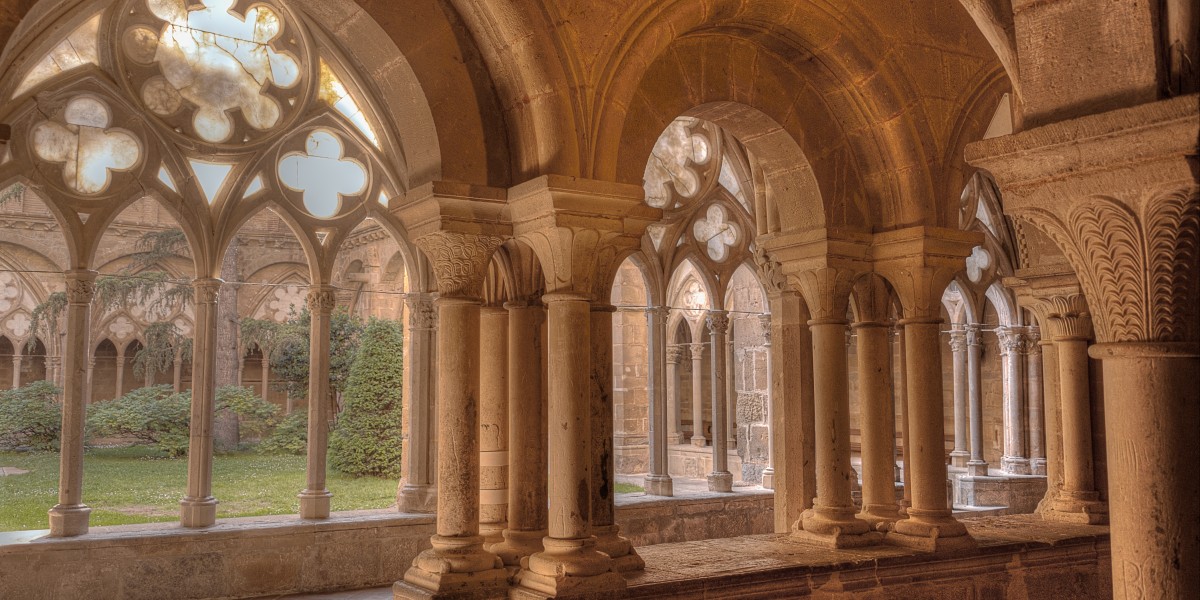
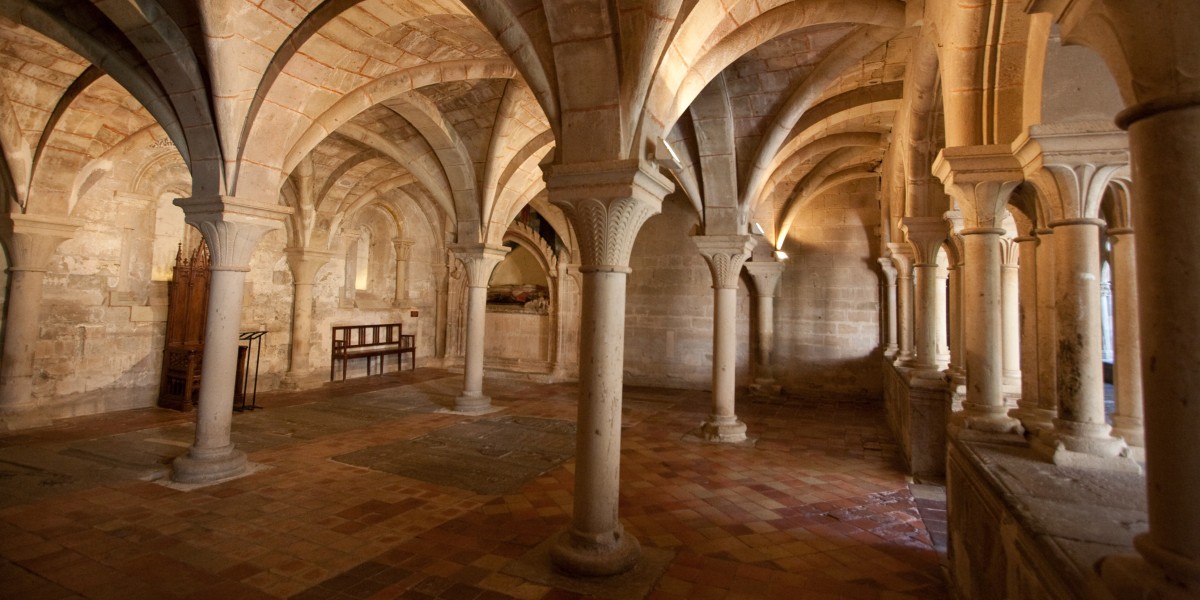
Medieval Trasmoz was a secular lordship, not directly governed by the Church, and its population included Christians, Jews and Muslims. Disputes over woodland, firewood and taxes set it against the monastery, whose abbot is said to have sought the village’s excommunication after locals resisted his authority.
The water dispute and Trasmoz’s alleged papal curse
The feud reportedly flared up again centuries later over water from the Moncayo area. When the lord of Trasmoz, Pedro Manuel Ximénez de Urrea, challenged the monastery, the Cortes of Aragón is said to have ruled in the village’s favour.
Local tradition holds that Veruela retaliated in 1511. With Pope Julius II’s permission, the abbot allegedly pronounced a curse by reciting Psalm 108, leaving only a pope able to reverse it.
No pope is known to have lifted the supposed punishment. Yet Masses, baptisms and other Catholic rites still take place in Trasmoz, while relations with the monastery have long since calmed down.
The castle noises that became a witchcraft legend
Castillo de Trasmoz sits on the hill above the village, and its crumbling outline does plenty of work for the imagination. The castle is central to the witchcraft stories, though not quite in the way visitors might expect.
One widely repeated version says the people inside were secretly making counterfeit coins. Hammering, scraping and clanging at night would have attracted unwanted interest, so rumours spread that witches were brewing potions or carrying out strange rituals behind the castle walls.
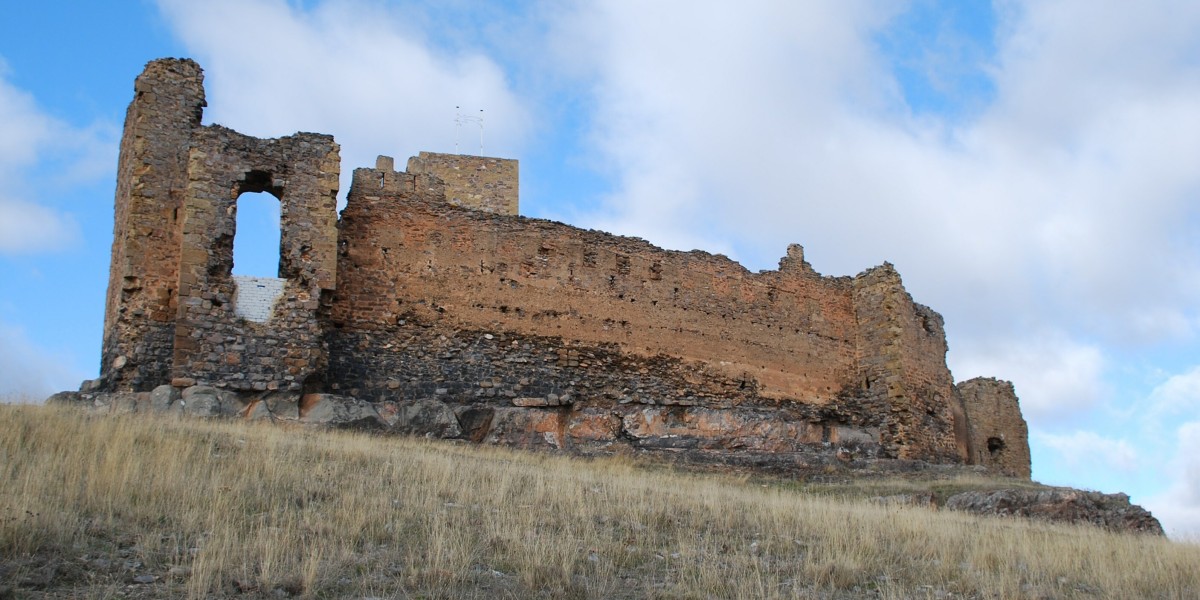
The story was later used to paint Trasmoz as a village of sorcerers, especially during its long conflict with Veruela. It is difficult to separate evidence from embellishment after so many centuries, but the tale shows how quickly an accusation of witchcraft could become useful political ammunition.
The restored parts of the castle now contain a small witchcraft-focused collection, with objects and displays linked to the village’s folklore.
The human cost of witchcraft accusations
Not all of Trasmoz’s witch stories belong in the realm of harmless Halloween fun.
The village remembers Joaquina Bona Sánchez, often called Tía Casca, as the last person accused of witchcraft there. She was blamed for deaths or illness in the village and killed in 1860.
Her story is a reminder that witchcraft accusations were never simply fireside tales. A modern memorial to Tía Casca stands in Trasmoz. It has become part of the village’s attempt to acknowledge the darker side of its folklore.
How Trasmoz turned a curse into a local tradition
Residents began reclaiming the witchcraft stories in the early 2000s, turning a reputation once used against the village into a communal tradition.
The village’s annual witchcraft celebrations have drawn thousands of visitors in some summers, a remarkable figure for such a tiny settlement. That attention supports local activity while giving Trasmoz a reason to preserve and retell its history.
Feria de Brujería
The annual Feria de Brujería, or witchcraft fair, brings together herbal remedies, folklore, craft stalls and historical re-enactments during July.
Luz de las Ánimas on 31 October 2026
Trasmoz will hold its Luz de las Ánimas celebrations on Saturday 31 October 2026, coinciding with the eve of All Saints’ Day.
Daytime activities include a spooky artisan market, children’s face-painting, storytelling, falconry displays and street entertainment.
After dark, the village switches off its usual street lighting and hundreds of candles and carved pumpkins light the lanes. The central moment is the procesión de las ánimas benditas, a candlelit procession through Trasmoz.