A slower life is not simply about working fewer hours or escaping to somewhere quiet. It is about making room in your day for what matters outside work: a walk in the park, a proper lunch, time with friends, or an evening that doesn't disappear in a long commute.
Unobravo’s clinical experts explored why slow living appeals to people and how it may support psychological and physical well-being, reduce stress and strengthen social connections. Their research also highlights the risks attached to a hectic routine, including burnout and relationship tension.
The analysis then looked at major European cities for the conditions that could make a slower, more intentional pace easier to sustain. Green space, flexible work opportunities, weekly working hours, travel time, sunshine, local bars and noise pollution all formed part of the picture.
Three Spanish cities reach the top 10 for the best European cities for a slower lifestyle. One takes first place.
Why the right city can make slow living easier
For Dr Fiorenza Perris, Clinical Director at Unobravo, slow living creates space for concentration and immersion by reducing distractions and time pressure. She argues that a supportive environment, including a city, community or daily routine, matters if people are to live more intentionally.
Shorter journeys may leave more time outside work. Green spaces can make it easier to spend part of the day outdoors. Flexible working opportunities may give people more control over how their time is arranged. Long summer days can also make room for activities that do not revolve around work or indoor routines.
Spain’s wider work-life balance picture
Spain places 11th in Unobravo’s European work-life balance table, with an index score of 6.33.
The analysis puts Spain among Southern and Eastern European countries described as strong performers. It cites comparable holiday time and a solid overall balance, despite slightly longer working weeks.
Valencia ranks first in Europe for a slower lifestyle
Valencia takes first place in Unobravo’s European slow-lifestyle ranking.
The city records 41% green space, 70% flexible work opportunities and an average of 26 weekly working hours. Its average travel time is 21 minutes, the shortest among the three Spanish cities in the top 10.
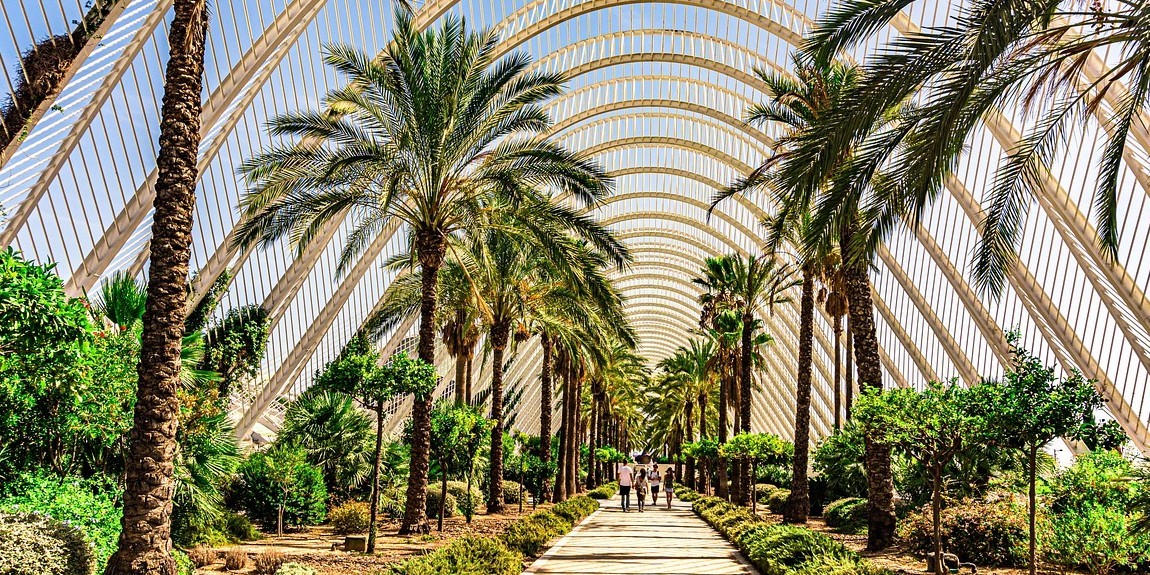
Valencia also records 11 hours of summer sunshine, 35 bars per 100,000 people and a noise-pollution figure of 34.
The city’s result rests on a combination of factors rather than one defining feature. A shorter average journey can leave more of the day available for personal plans, while green space and summer sunshine may make outdoor time more accessible.
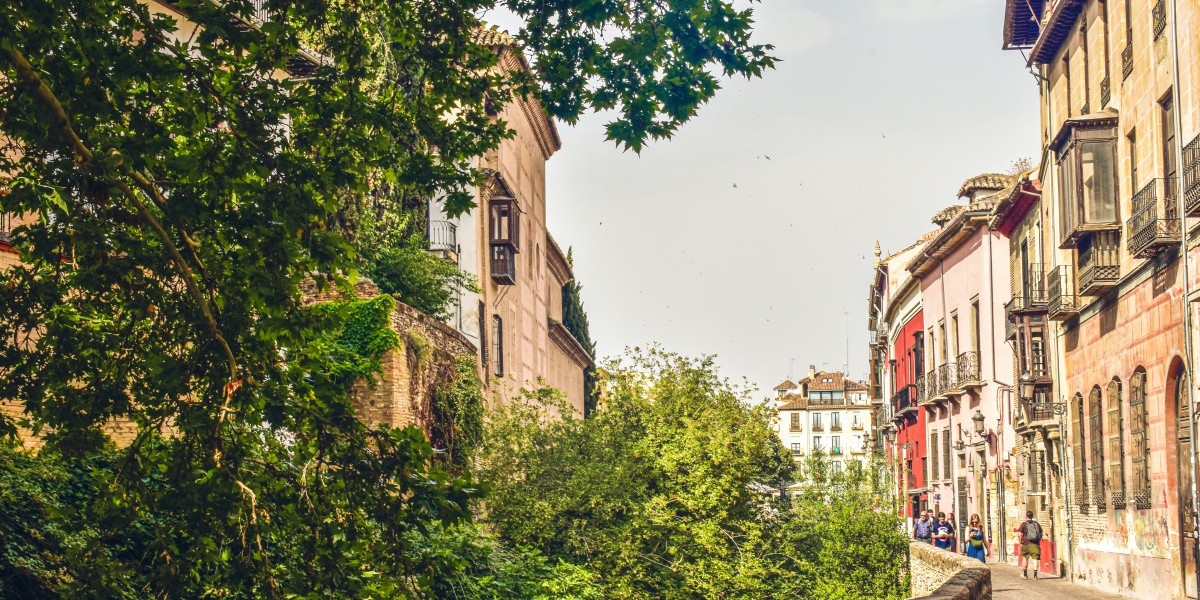
Granada pairs green space with flexible work
Granada ranks third in Europe after Split in Croatia.
It has the highest green-space figure of the Spanish cities listed, at 42%, and the highest share of flexible work opportunities, at 92%. Average weekly working hours are 26, matching Valencia and Madrid.
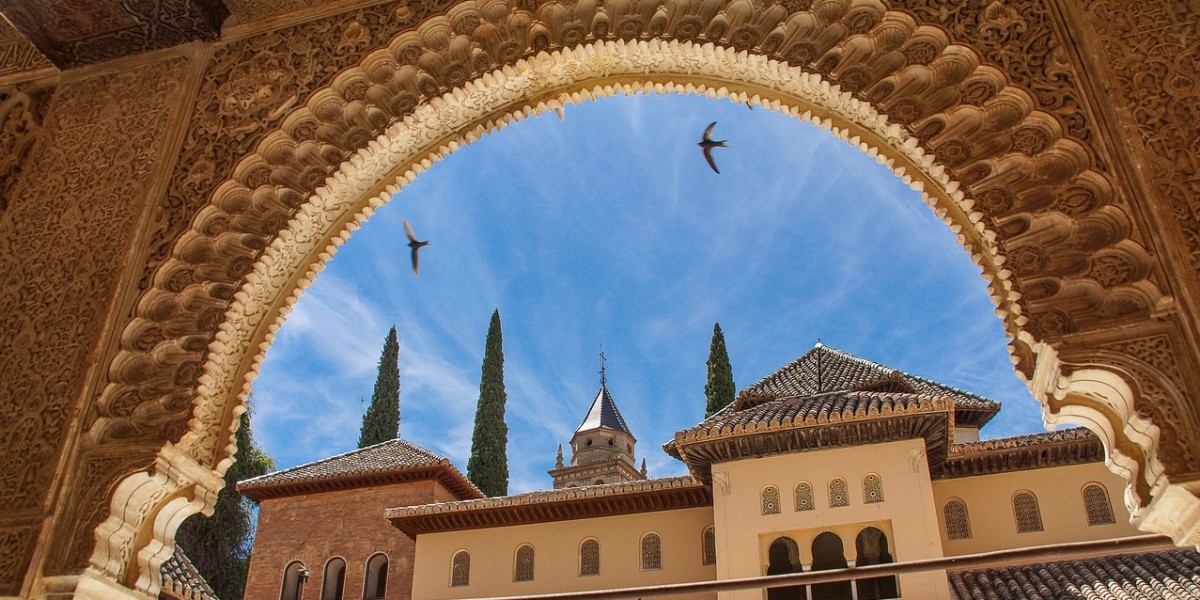
Granada also records 50 bars per 100,000 people, the highest figure of the three Spanish entries, along with 12 hours of summer sunshine.
There are trade-offs within its result. The average travel time is 29 minutes, longer than Valencia’s 21 minutes and Madrid’s 27 minutes. Its noise-pollution figure is also the highest of the three, at 60.
The ranking nevertheless places Granada near the top because it brings together several of the conditions used by Unobravo to assess a slower lifestyle, particularly green space, flexible work and daylight hours.
Madrid reaches the top 10 with a different balance
Madrid comes eighth in the European ranking, ahead of Reykjavik and Porto.
It has an average of 26 weekly working hours, 27 minutes of average travel time and 12 hours of summer sunshine. Its noise-pollution figure is 38, lower than Granada’s and higher than Valencia’s.

Madrid records 27% green space and 49% flexible work opportunities, both lower than the figures for Valencia and Granada. It also has 21 bars per 100,000 people.
Its top-10 position shows that the ranking does not hinge on any single measure. Madrid’s mix of working hours, travel time, sunshine and noise places it among the European cities examined as suitable for a slower lifestyle, despite a different profile from the two higher-ranked Spanish cities.
Why slow living in Spain is about more than the rankings
Unobravo’s findings offer one useful view of the daily conditions that can support a more intentional routine. They sit alongside other measures of urban life in Spain, including recent research on the world’s leading cities for environmental performance and separate findings on Spain’s cities with the strongest quality of life.
The details differ across each study, but the broader pattern is clear: a slower pace relies on more than a city’s size or reputation. Time spent travelling, access to outdoor space, working patterns and the texture of everyday life all shape how much space remains for the parts of life beyond work.
Stay in the know about living in Spain as a foreigner—get our weekly newsletter for the latest travel, legal, and lifestyle news.
For a taste of the high life, sign up for the monthly luxury market round-up.