If you are planning to live or work in Spain, one of the first administrative steps you will encounter is getting a Social Security number, known as the Número de la Seguridad Social (NUSS).
Working legally in Spain as a foreigner means having the right combination of immigration status, identification numbers and local registrations. The exact steps depend on whether you are an EU/EEA or Swiss citizen or a non-EU national, but many requirements overlap.1.
If you’re planning to move to Spain, there’s a key step that should be at the top of your checklist: registering for your empadronamiento, often referred to simply as the padrón.
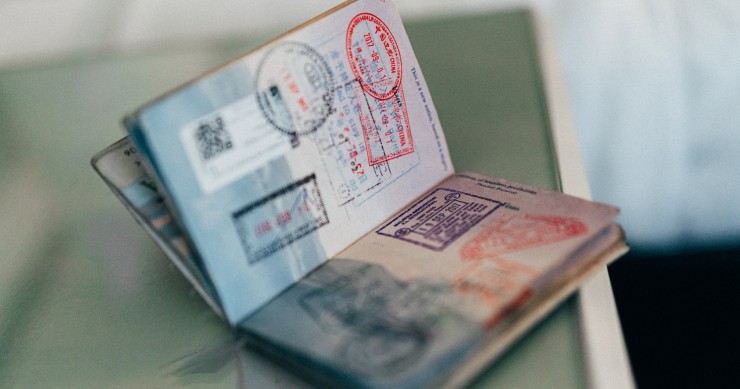
The European Union has begun rolling out the Entry/Exit System (EES), an automated IT system that is changing how non‑EU nationals are processed at the external borders of the Schengen Area. The move marks a shift away from manual passport stamping towards digital entry and exit records, and it
Travellers from the UK and more than 50 other non-EU countries will soon face new entry requirements for visiting destinations such as Spain, Italy, and Portugal.
If you’re a foreign national in Spain with a Foreigner Identification Number (NIE by its Spanish acronym) and have recently acquired Spanish citizenship, you may be wondering how to change your NIE to a National Identity Document (or DNI) to update and regularise your administrative status.
If you’re planning to live in Spain for more than 90 days, you will need a TIE card (Tarjeta de Identidad de Extranjero), which is your foreigner identity card.
For those considering a move or already living in Spain, the strength of the local passport is a significant factor. A passport's ranking is a global measure of travel freedom, essentially counting the number of destinations its holder can visit without arranging a visa in advance.
Spain has long been a dream destination for expats. With its warm climate, laid-back lifestyle, and high quality of life, it’s the perfect location to call home.For years, the Spanish Golden Visa offered an easy path to residency.
EU citizens have a great amount of freedom when it comes to choosing where they want to call home.Thanks to the freedom of movement within the European Union, the process for EU citizens to obtain Spanish residency is relatively simple compared to non-EU nationals.
With Brexit reshaping the relationship between the UK and the EU, British citizens looking to reside in Spain must navigate a new set of legal requirements.
Registering as a resident in Spain (empadronarse) is beneficial for carrying out administrative procedures and receiving notifications from the council where your property is located, among other aspects.
Legally, you cannot be registered in one place and live in another.
Spain stands as the second most visited country in the world with over 84 million visitors every year. I won’t go into what makes living in Spain so appealing as it would take me weeks to do a write up! Besides, it’s off the point. What matters is that it’s a beautiful country to get lost in.
As the COVID-19 pandemic has attracted all our attention since last year, Brexit seems to have taken a backseat. However, there are still many expats living in Spain, or indeed Brits preparing to move to the Iberian Peninsula, who have many valid questions about residency in Spain after Brexit.
Many people have doubts about the taxes they will have to pay when buying or selling a home in Spain. This article seeks to explain the resident and non-resident tax on the purchase and sale of property in a simple way, with the help of economist and tax advisor José Miguel Golpe Saavedra.