Essential costs in Spain are tightening their grip on household finances. New data from the comparison site Roams' 2026 Consumer Spending Report shows that basic day‑to‑day expenses now absorb close to seven out of every ten euros of income.
Those figures cover housing, energy, telecoms, food, insurance, transport, local taxes and a slice of everyday leisure for an average Spanish household.
- Mortgaged households spend €21,338 a year on essentials, which is practically 65% of their salary.
- Renting households spend €22,538 a year on essentials, equivalent to 68.3% of income.
Like many countries in Europe, the amount of money you need to live comfortably in Spain is gradually going up. Household spending has increased over the last ten years in Spain more than in most countries, although lifestyle choices and where you live greatly affect the budget you'll need.
Housing: the budget “black hole”
Housing is the single biggest expense and the main reason essential spending has ballooned. According to Roams' Informe de Gastos del Consumidor, released on 14th January, 2026, for an average household:
- With a mortgage, the total housing cost is roughly €10,845 a year (around 50.8% of all essential spending).
- Average annual rent is around €12,044 (about 53.4% of all essential spending).

In some popular coastal and urban areas, the squeeze is particularly severe. In the Balearic Islands, Málaga and Barcelona, basic costs already swallow over 90% of the average couple’s net salary under some scenarios, leaving almost no room for savings or shocks.
The supermarket “silent cost”
After housing, food is the next heaviest item in the budget. The average annual grocery bill per household is around €4,097.
The Roams report highlights this as a major “silent” cost. Because it is broken down into small, frequent supermarket trips, residents often underestimate its weight in the annual budget.
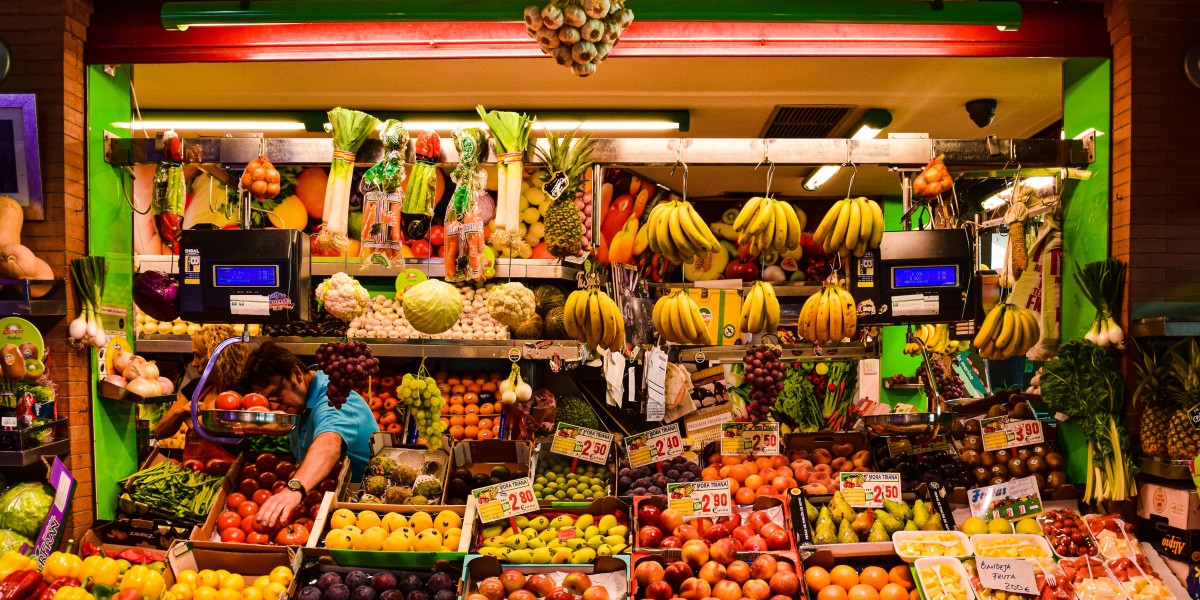
For many foreigners, that national figure may be higher, particularly if their diet relies on imported products, international brands or organic ranges that are typically more expensive.
Energy bills: electricity and gas over €1,200 a year
Energy has become another pressure point, even though gas prices have fallen. According to Roams, verage annual spending per household is just over €1,200 a year, which is around €133 higher than what households were paying a year earlier.
For residents in older, poorly insulated homes, or in regions with more extreme temperatures, real‑world bills can easily overshoot the national average. For anyone signing a new contract, the choice between regulated and free‑market tariffs remains a key decision.
Local taxes and water: the fixed floor under your costs
Local taxes and basic utilities might not dominate the budget, but they are part of the fixed annual cost of living.

According to Roams, on average, households pay around €484 a year in local taxes, made up of:
- IBI (property tax): about €320
- Waste collection fee: around €107
- Vehicle circulation tax: roughly €58
- The average annual water bill is around €218
What the 2026 numbers mean for expats in Spain
Taken together, the 2026 figures paint a clear picture of how money flows through Spanish households:
- Housing dominates, taking just over half of all essential spending
- Food and energy form the next big block, with groceries around €4,100 a year and combined electricity and gas bills above €1,200
- Connectivity, transport, local taxes and water set a fixed floor under monthly and annual outgoings
- Clothing, school items, subscriptions, gyms and going out quietly add more than €2,200 a year on top
For expats living on local salaries, or those planning a move, the national averages provide a useful reference point, but the real squeeze often depends on where in Spain they settle.
High‑demand coastal and urban areas combine elevated housing costs with the same rising everyday expenses seen nationwide.

Stay in the know about living in Spain as a foreigner—get our weekly newsletter for the latest travel, legal, and lifestyle news.